‘to run like a hairy goat’: meanings and origin
Australia, 1912—of a racehorse: to perform very badly—also in extended use and in the opposite sense—from ‘hairy goat’ (1894): a racehorse which performs badly—synonym ‘hairy dog’ (1908)
Read More
“ad fontes!”
Australia, 1912—of a racehorse: to perform very badly—also in extended use and in the opposite sense—from ‘hairy goat’ (1894): a racehorse which performs badly—synonym ‘hairy dog’ (1908)
Read MoreAustralia, 1970—a Melbourne City Council parking officer—the adjective ‘grey’ refers to the colour of those officers’ uniform; the noun ‘meanie’ refers to the nastiness displayed by those officers in the accomplishment of their duties
Read MoreAustralia, 1985—Coined after ‘corkage’, the noun ‘cakeage’ denotes, in a restaurant, the cutting and serving of a cake that has been brought in by a customer from off the premises, hence also a charge levied for this service.
Read MoreAustralia, 1902—of no use or advantage whatsoever, no good at all—origin unknown—alliterative effect and phonetical factors proper to Australia may have contributed to the currency of the phrase
Read MoreUSA, 1927—denotes male vigour, especially sexual—with wordplay on ‘penis’—interestingly, via an alteration of the Latin diminutive ‘pēnĭcillus’, denoting literally a little tail, hence a painter’s brush or pencil, ‘pencil’ is derived from Latin ‘pēnis’, denoting literally a tail, hence the penis
Read More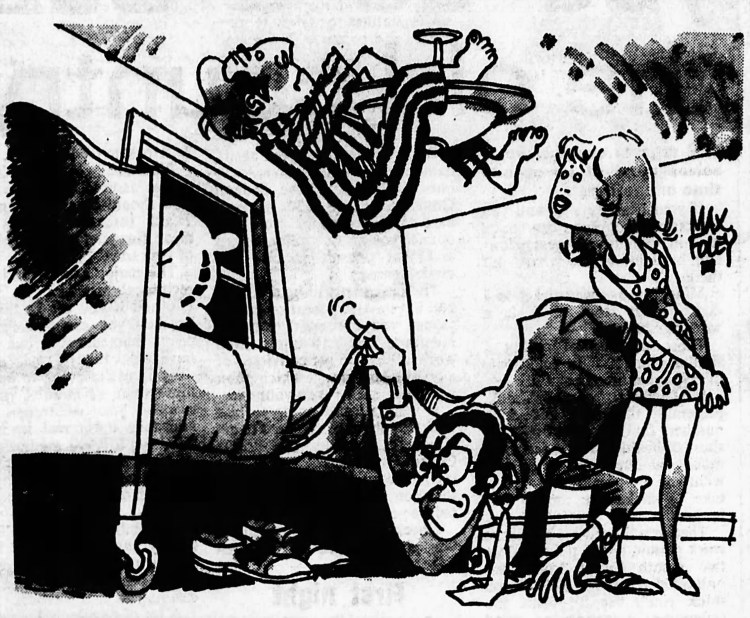
has been used to denote evidence of a de facto relationship affecting a woman’s eligibility for Social-Security benefits—refers to past practices of field officers inspecting homes and bedrooms
Read MoreAustralia, 1828—Ireland, 1832—a group of things or people in its entirety—‘box’ refers to a box from which dice are thrown in gaming or gambling
Read More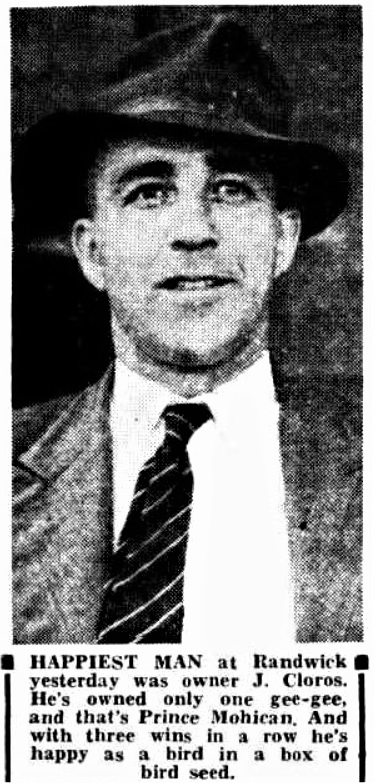
Australia and New Zealand, 1939—to be in good spirits, ‘chirpy’—the image is of a boxful of chirping birds (cf. the extended form ‘happy as a bird in a box of birdseed’)—New-Zealand variant ‘to be a box of fluffy ducks’, also ‘to be a box of fluffies’
Read More
Australia, 1865—to be less of a fool than one appears to be—this phrase plays on two uses of the adjective ‘green’: 1) denoting the colour of growing vegetation, grass, etc. 2) denoting an inexperienced or naive person
Read More
Australia, 1998—a pair of short, tight-fitting men’s swimming trunks—refers to the appearance of the male genitals in figure-hugging trunks—‘budgie’: colloquial abbreviation of ‘budgerigar’, denoting a small Australian parrot
Read More
