used of a buck-toothed person—USA, 1933, as ‘can eat an apple through a picket fence’—USA, 1950, as ‘can eat an apple through a tennis racquet’—UK, 1979, as ‘can eat an apple through a letter box’
Australia, 1887—a forlorn hope, no prospect whatever—may refer to the British convict William Buckley (1780-1856), who escaped from custody in 1803 and lived for thirty-two years with Aboriginal people
UK and USA, 1816—to tell a long, far-fetched story—of nautical origin? (perhaps alludes to making ropes from lengths of yarn on board ship: the men would have told one another stories while performing this long and tedious task)
1992—the culture shock experienced by an individual (typically a Japanese) who, when visiting, or living in, Paris, realises that this city does not fulfil their idealised expectations—apparently a loan translation from Japanese ‘Pari shōkōgun’, coined by Japanese psychiatrist Hiroaki Ōta
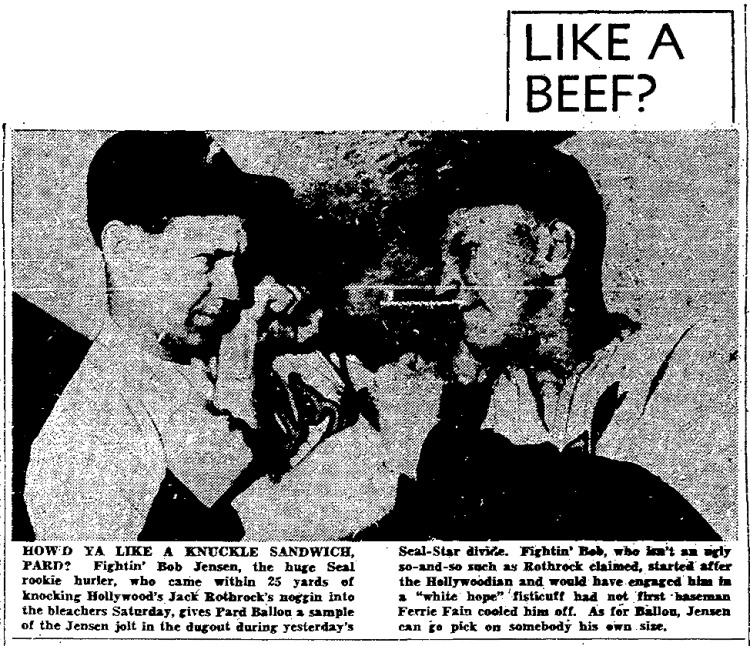
‘knuckle-sandwich’ USA, 1940—‘knuckle-butty’ UK, 1972—a punch to the mouth (or to the stomach)—the image is of a sandwich of knuckles being forced into the mouth (or into the stomach) of the person who is punched
a dentist—World War Two—slang of the British armed forces—was soon adopted into (and came to be regarded as) Australian English—earlier synonyms: ‘fang-faker’ and ‘fang-wrencher’
Australia, 1909—(horseracing) a bet is sure to pay off; (in extended use) something is a very strong probability—from the notion that the punter is so confident of winning the bet that he is prepared to put the whole city of London on a horse to win a brick, i.e., a ten-pound note
USA, 1906: a person who advocates equality for all people at a high level of prosperity (i.e., who believes in champagne for everybody)—UK, 1956: a person who espouses socialist ideals while enjoying a wealthy lifestyle
Canada and UK, 1978—to publicly disclose perceived wrongdoing or failure on the part of a person or institution; to expose private behaviour to public censure—earlier longer phrases include ‘blame’
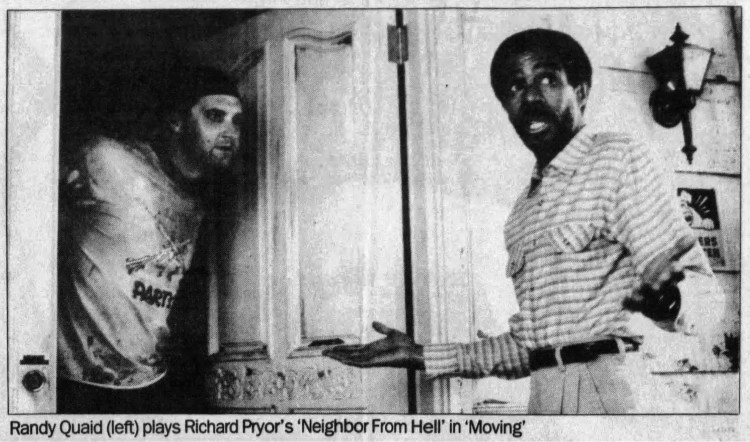
UK, 1993—USA, 1987—the words ‘—— from hell’ are suffixed to nouns often referring to everyday life, such as ‘holidays’ and ‘neighbour(s)’, to make phrases denoting an exceptionally unpleasant or bad example or instance of ‘——’