‘fang-farrier’: meaning and origin
a dentist—World War Two—slang of the British armed forces—was soon adopted into (and came to be regarded as) Australian English—earlier synonyms: ‘fang-faker’ and ‘fang-wrencher’
Read More
“ad fontes!”
a dentist—World War Two—slang of the British armed forces—was soon adopted into (and came to be regarded as) Australian English—earlier synonyms: ‘fang-faker’ and ‘fang-wrencher’
Read MoreAustralia, 1909—(horseracing) a bet is sure to pay off; (in extended use) something is a very strong probability—from the notion that the punter is so confident of winning the bet that he is prepared to put the whole city of London on a horse to win a brick, i.e., a ten-pound note
Read MoreUSA, 1906: a person who advocates equality for all people at a high level of prosperity (i.e., who believes in champagne for everybody)—UK, 1956: a person who espouses socialist ideals while enjoying a wealthy lifestyle
Read MoreCanada and UK, 1978—to publicly disclose perceived wrongdoing or failure on the part of a person or institution; to expose private behaviour to public censure—earlier longer phrases include ‘blame’
Read More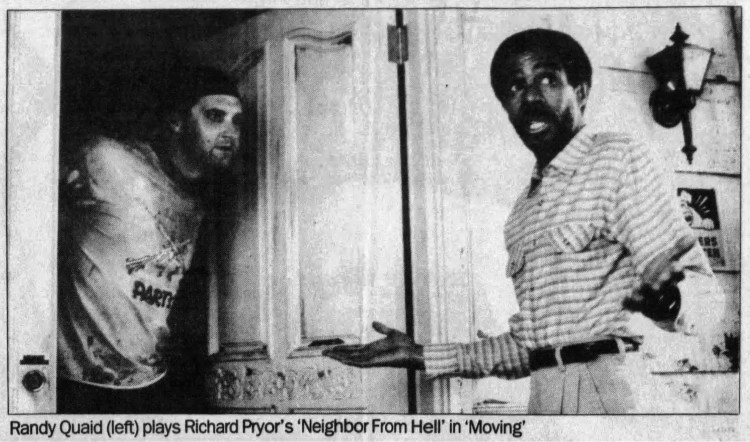
UK, 1993—USA, 1987—the words ‘—— from hell’ are suffixed to nouns often referring to everyday life, such as ‘holidays’ and ‘neighbour(s)’, to make phrases denoting an exceptionally unpleasant or bad example or instance of ‘——’
Read Moredismissal from employment—UK, 1882, as ‘the noble order of the boot’—‘the boot’ refers to kicking somebody out—the phrase puns on two acceptations of ‘order’: an authoritative command and an institution founded for the purpose of honouring meritorious conduct
Read More
1928 in Clara Butt: Her Life-Story, by H. W. Ponder—“Sing ’em muck! It’s all they can understand!”: advice given by Australian soprano Nellie Melba to English contralto Clara Butt, who was about to undertake a tour of Australia
Read More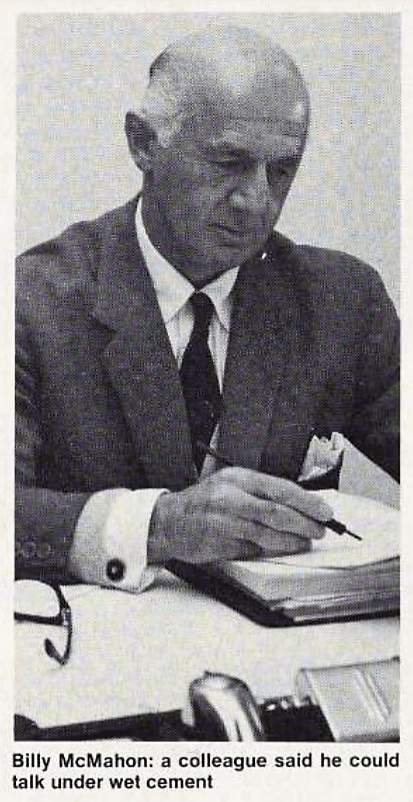
Australia—to have the gift of the gab—‘to be able to talk under water’ (1951)—‘to be able to talk under wet cement’ (1978)—‘to be able to talk under wet concrete’ (1980)
Read More
Australia, 1953—used of an extremely lazy person—refers to the artificial respirator that kept polio patients alive by “breathing” for them
Read MoreAustralia, 1981—the ideology of the Australian Labor Party’s left wing, “for whom the ultimate test of a policy is the feeling of personal virtuousness to be derived from its espousal”—Labor politician James McClelland claimed to have coined this phrase
Read More word histories