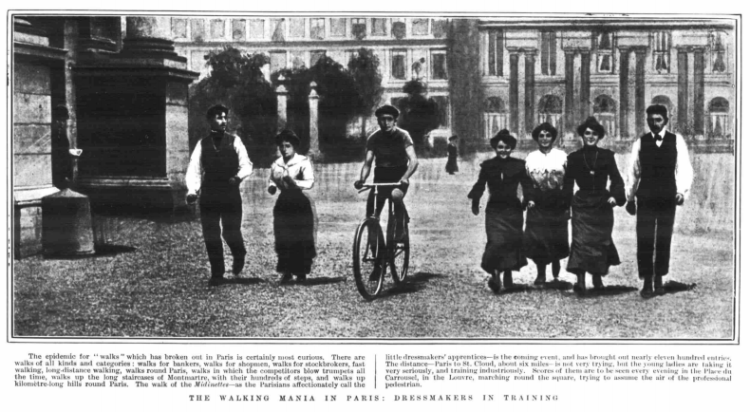
Phonetically and semantically similar to milliner, the French word midinette was defined as “a milliner’s female assistant, especially in Paris” in the 1933 Supplement to the New English Dictionary (as the Oxford English Dictionary was known). However, while milliner literally means a Milanese, a native or inhabitant of Milan, midinette is a portmanteau word, composed […]
The phrase at (or in) one fell swoop means all in one go. Here, the noun swoop, which denotes the act of swooping down, refers to the sudden pouncing of a bird of prey (a kite for example) from a height upon its quarry (of Germanic origin, the verb swoop is cognate with sweep). The […]
MAIN MEANINGS – verb: to behave as though sexually attracted to someone, but playfully rather than with serious intentions – noun: a person who acts flirtatiously ORIGIN The verb flirt is probably onomatopoeic, the phonetic elements /fl-/ and /-əːt/ both suggesting sudden movement. It may therefore be comparable to verbs such as […]
The noun sport is a shortening of disport, which was borrowed in the early 14th century from Anglo-Norman and Old and Middle French forms such as desport, deport, disport (modern French déport). This French word was thus defined by Randle Cotgrave in A Dictionarie of the French and English Tongues (1611): Deport: masculine. Disport, sport, […]
The Anglo-Saxons were the Germanic inhabitants of England before the Conquest, i.e. the invasion and assumption of control by William of Normandy in 1066. Known as William the Conqueror, William I (circa 1027-87) defeated Harold II at the Battle of Hastings. He introduced Norman institutions and customs, including feudalism, and instigated the Domesday Book. […]
The English adjective pregnant has several meanings: carrying a fetus or fetuses within the womb, full of meaning or significance, inventive or imaginative, prolific or fruitful. It is from the Latin adjective praegnans/praegnant-, with child, pregnant, variant of praegnas/praegnat-, probably from the prefix prae-, before, and the stem of the verb gnasci (past participle gnatus), […]
The English nouns lobster and locust are doublets. Doublets (or etymological twins) are words in one given language that go back to the same etymological source but differ in form and meaning—cf. also turban – tulip, clock – cloak, pastiche – pastis and fawn – fetus. The word lobster is from Old English […]
The English poet John Taylor (1578-1653) wrote, in The great eater, of Kent, or Part of the admirable teeth and stomacks exploits of Nicholas Wood, of Harrisom in the county of Kent His excessiue manner of eating without manners, in strange and true manner described, by Iohn Taylor (1630): One Iohn Dale was too hard […]
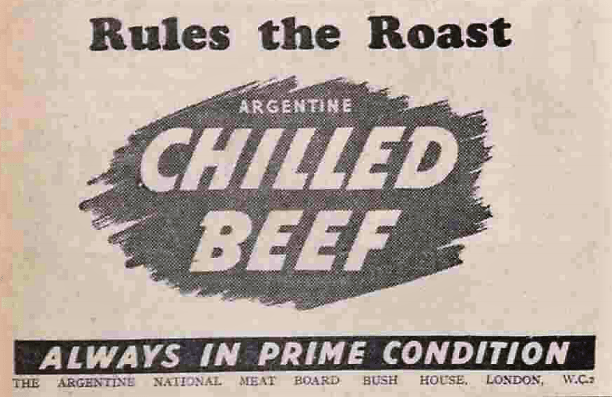
To rule the roost means to be in a dominating position over others. This phrase conjures up a picture of a cock lording it over a group of hens, i.e. a roost, in the farmyard, and appears to be similar to cock of the walk, which designates someone who dominates others within a group. But […]
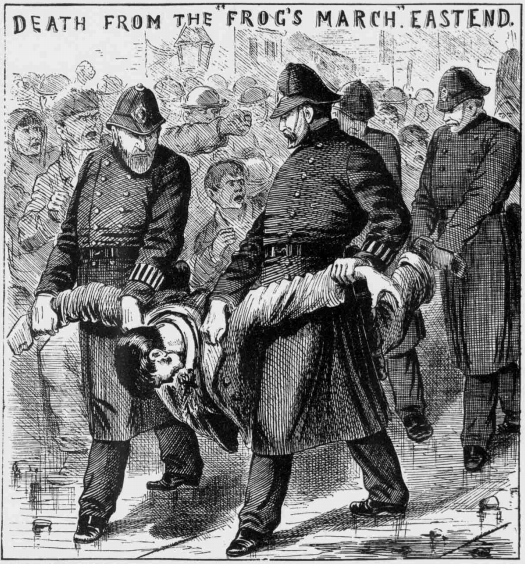
The verb to frog-march (somebody) means to force (somebody) to walk forward by holding and pinning their arms from behind. This sense is milder than the original, as the frog’s march was a police metaphor denoting a method of moving a resistant person such as a prisoner, in which he or she is lifted by […]


 word histories