the probable origin of the phrase ‘to sweat like a pig’
The pig probably symbolises the unpleasant fact of sweating profusely in the same way as it often represents greed, dirt, etc. in many other derogatory idioms.
Read More
“ad fontes!”
The pig probably symbolises the unpleasant fact of sweating profusely in the same way as it often represents greed, dirt, etc. in many other derogatory idioms.
Read More‘First catch your hare’ (early 19th cent.): originated in popular humour ascribing this phrase to ‘The Art of Cookery’ (1st published 1747), by Hannah Glasse
Read More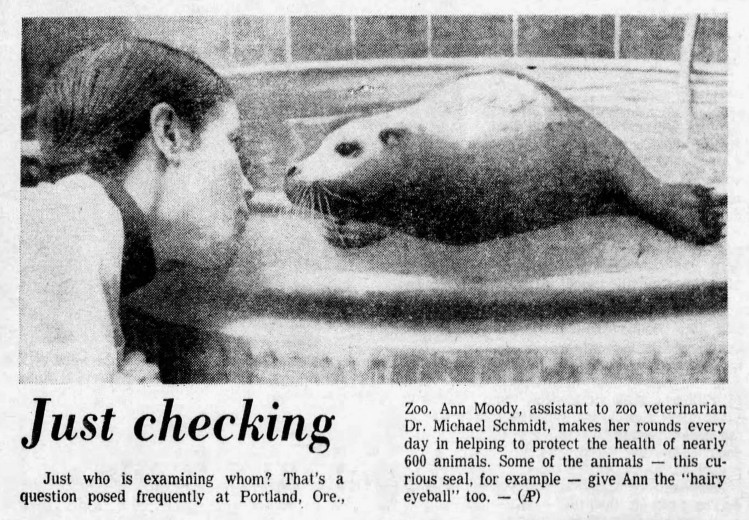
‘hairy eyeball’ (late 20th cent., USA): an intent look—refers either to the eyeballs looking ‘hairy’ when the eyes are narrowed or to batting one’s eyelashes
Read More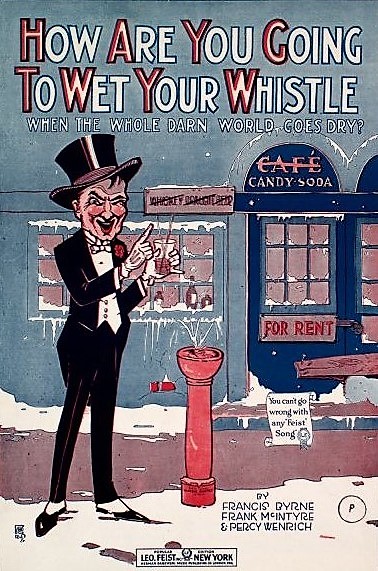
In ‘to wet one’s whistle’ (to take a drink), attested in the late 14th century, in Chaucer, ‘whistle’ is jocular for the mouth or the throat.
Read More‘to play possum’: American English, early 19th century—pretend to be dead, asleep, etc.—allusion to the opossum’s habit of feigning death when threatened
Read MoreThis phrase is a transformation of ‘one’s head full of bees’, meaning scatter-brained, unable to think straight, as if bees are buzzing around in one’s head.
Read More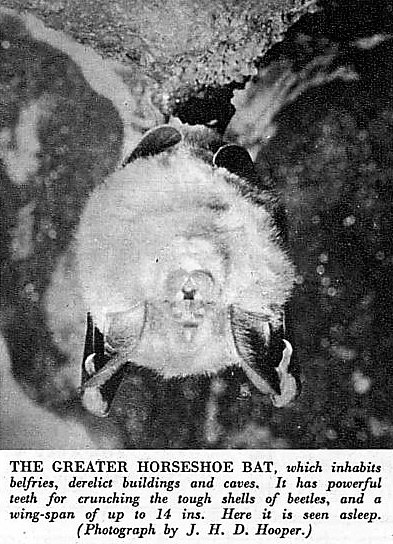
Of American-English origin, ‘to have bats in one’s belfry’ is from the image of bats flying around when disturbed, like confused thoughts in a disordered mind.
Read More
The noun ‘paparazzo’ is from the name of a photographer in La Dolce Vita (1960) by Federico Fellini. The choice of this name has been variously explained.
Read MoreA horse’s teeth reveal its age. It is therefore bad manners to look in the mouth of a horse that has been received as a gift in order to establish its value.
Read More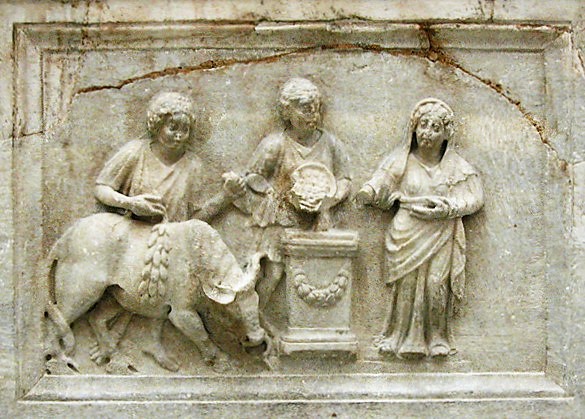
The verb ‘immolate’ is from Latin ‘immolare’, meaning, literally, ‘to sprinkle (a victim) with sacrificial meal’, from ‘mola salsa’, ‘salted spelt-meal’.
Read More word histories