meaning and origin of the phrase ‘a nod is as good as a wink’
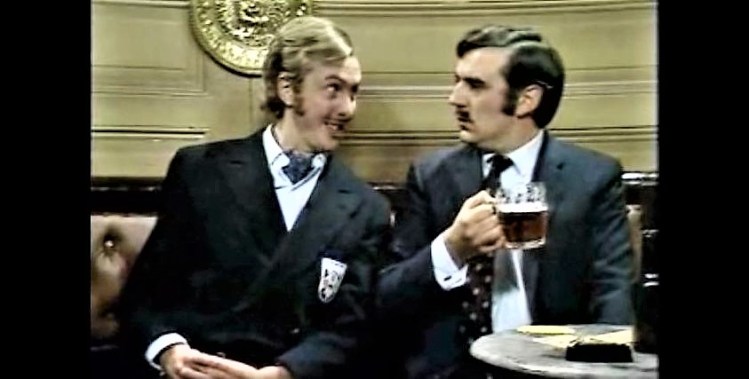
‘a nod’s as good as a wink (to a blind horse)’ 18th century—acknowledges that a hint or suggestion has been understood without the need of further elaboration
Read More
“ad fontes!”
‘a nod’s as good as a wink (to a blind horse)’ 18th century—acknowledges that a hint or suggestion has been understood without the need of further elaboration
Read Moreto return to the matter in hand—from French ‘revenons à nos moutons’ (‘let’s return to our sheep’), allusion to ‘La Farce de Maistre Pierre Pathelin’ (ca 1457)
Read Moremid-19th cent.—perhaps from a specific application of the general term of abuse ‘Frog’, aided by the shared initial consonant cluster in ‘French’ and ‘frog’
Read MoreOrigin: for purposes of fasting, food was divided into categories – ‘fish’, the flesh of fish, ‘flesh’, the flesh of land-animals, ‘fowl’, the flesh of birds.
Read More
‘caper’: probably abbreviation of ‘cabriole’, from Italian ‘capriola’, literally ‘female roe deer’, from Latin ‘capreola’, ‘wild goat’, from ‘capra’, she-goat
Read More‘betwixt and between’, late 18th century—not fully or properly either of two things, in an intermediate or middling position
Read Moreearly 20th century—refers to the method of tempting a donkey to move forward by dangling a carrot before it, and beating it with a stick if it refuses
Read More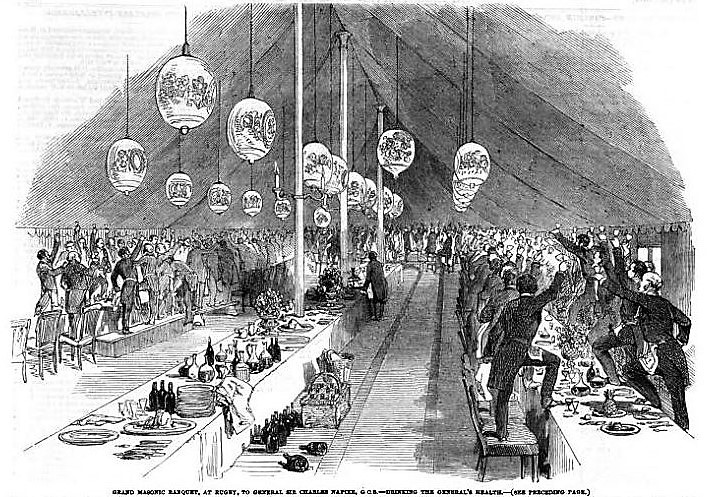
‘beano’, abbreviation of ‘beanfeast’: an enjoyable time; originally an annual dinner, given by employers to employees, or held by organisations or clubs
Read More
Red herring, used in laying trails for hounds to follow, was misunderstood as a deliberate attempt to distract them, hence the figurative use of ‘red herring’.
Read MoreFrom the practice of using hay-baling wire for makeshift repairs, ‘haywire’ came to mean crudely made, improvised, hence disorganised, erratic, crazy.
Read More word histories