origin of ‘all right, you heard a seal bark’

refers to “All right, have it your own way—you heard a seal bark”, the caption to a drawing by James Thurber, originally published in The New Yorker of 30th January 1932
Read More
“ad fontes!”
refers to “All right, have it your own way—you heard a seal bark”, the caption to a drawing by James Thurber, originally published in The New Yorker of 30th January 1932
Read More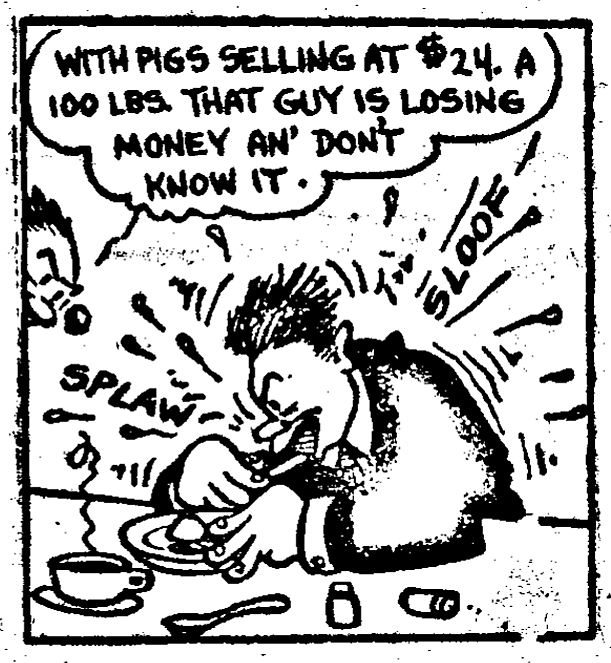
UK, 1879—meanings: an undisciplined assault on food and drink, and, by extension, any disorderly but excited scene
Read More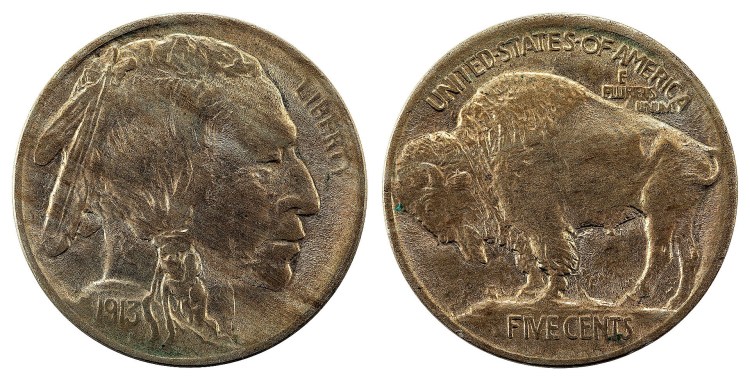
to be extremely tight with money—USA, 1926—refers to the five-cent coin, struck from 1913 to 1938, featuring a Native American on one side and a bison on the other
Read More
USA, 1944—was used when a cattle-owner let the autumn book tally stand all winter and sold out the herd on that basis, no matter how many head froze or got stolen over winter
Read MoreUSA, 1947—a mild insult perhaps alluding to impecuniousness—seems to have originated amongst teenagers and young adults
Read Moreaddressed to a poor horseman—means ‘get out of the public view and hide in shame’—UK, 1842
Read MoreUK, 1904—punning extension (in which ‘time’ is a verb, and ‘flies’ a noun) of the cliché ‘time flies’
Read More
U.S. slang, 2005—a gesture consisting in placing one hand on top of the other and wiggling the thumbs, made to reduce embarrassment
Read Morerefers to the fact that the winter cold is essential to plants and crops—UK, first recorded in the mid-17th century, but already proverbial
Read Moresaid to console a child choking over his or her food—UK, obsolete—first recorded in A Complete Collection of Genteel and Ingenious Conversation (1738), by Jonathan Swift
Read More word histories