‘to give the little lady a (great) big hand’: meaning and early occurrences
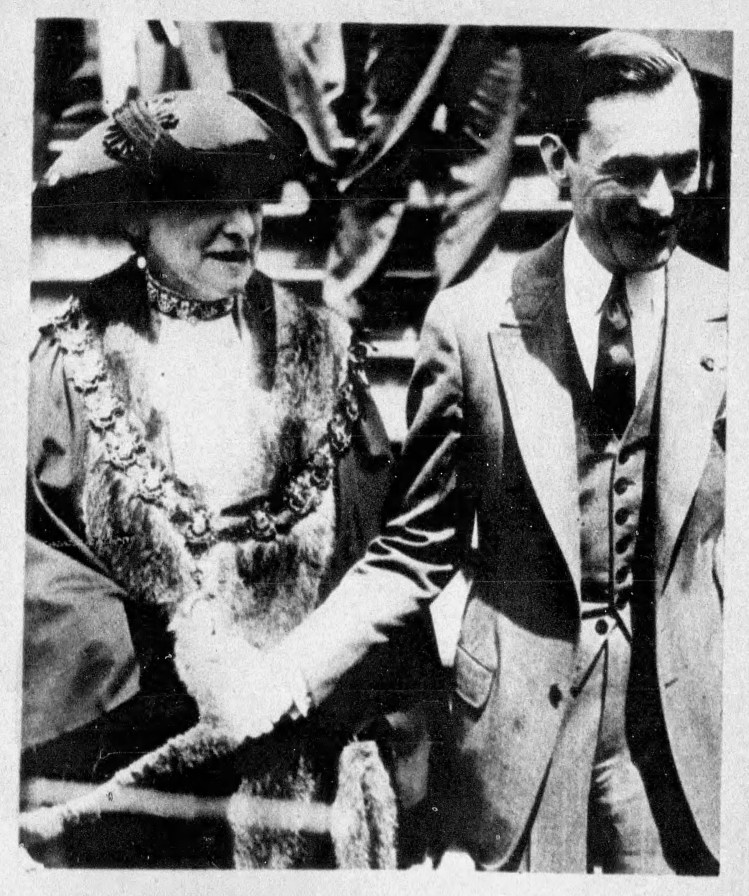
USA, 1928—Based on the contrast between the adjectives ‘little’ and ‘big’, this humorous phrase means: to applaud a woman for an achievement.
Read More
“ad fontes!”
USA, 1928—Based on the contrast between the adjectives ‘little’ and ‘big’, this humorous phrase means: to applaud a woman for an achievement.
Read MoreUSA, 1937—an uneasy sensation felt, especially in the stomach, as a result of nervousness or apprehension—based on the notion that the fluttering of butterflies may produce a similar sensation
Read MoreUSA, 1853—in a panic-stricken and unthinking manner—alludes to the phenomenon whereby a chicken can move about for a short time after decapitation, due to reflex activity of the nervous system
Read More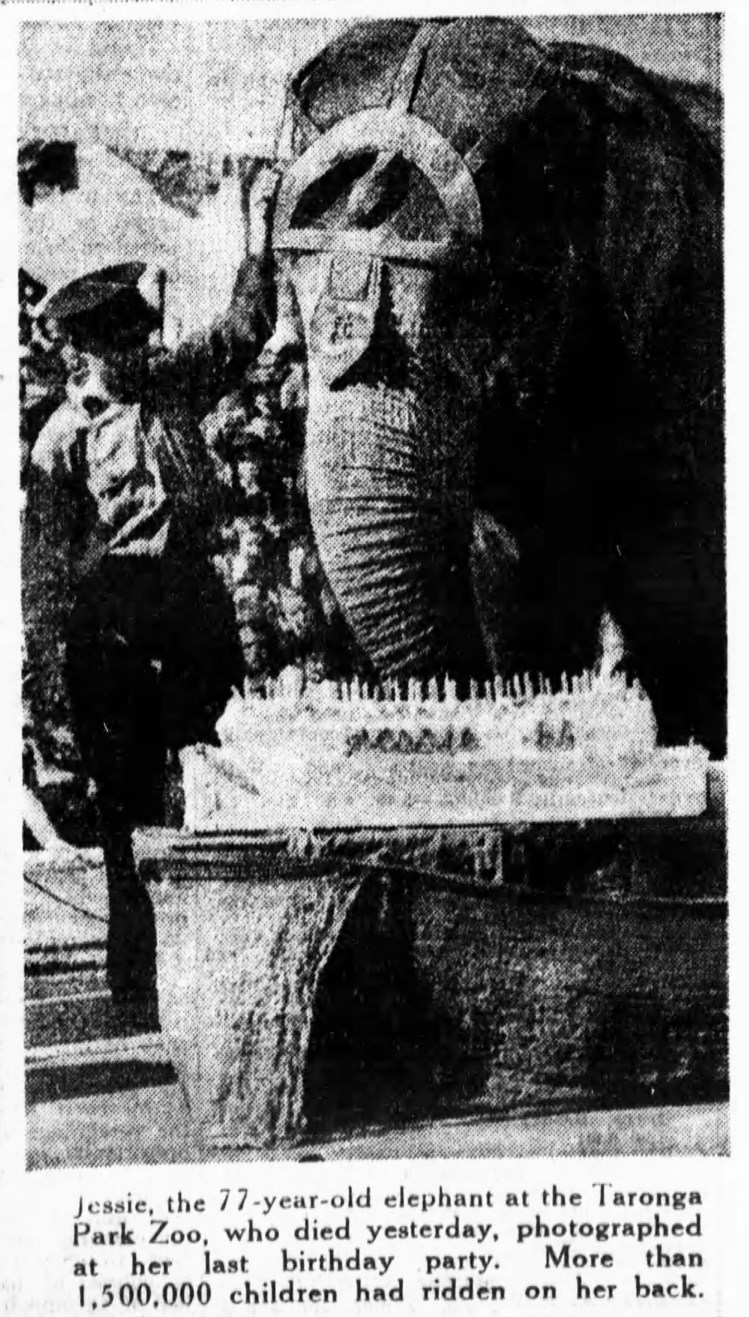
Australia, 1919—an excess of effrontery—puns on two meanings of ‘hide’ (the skin of an animal – effrontery) and refers to ‘Jessie’, the name of an elephant that was kept in the zoological gardens of Sydney, New South Wales
Read MoreUSA, 1936—the facts about sexual reproduction, especially as explained to a child—when this phrase appeared, ‘birds’ and ‘bees’ had long been commonly paired in literary allusions
Read MoreUSA, 1855—used of a situation in which it is difficult to distinguish cause and effect—refers to the traditional problem of which came first, the chicken (to lay the egg) or the egg (to produce the chicken)
Read MoreUSA, 1977—to be mentally stable—usually depreciatively in negative contexts, as ‘not to have both oars in the water’—refers to the necessity of dipping both the oars into the water to keep a rowing boat steady and steer it in a straight line
Read MoreAustralia, 1918—dazed and uncomprehending—from the image of a mullet that has been stunned
Read More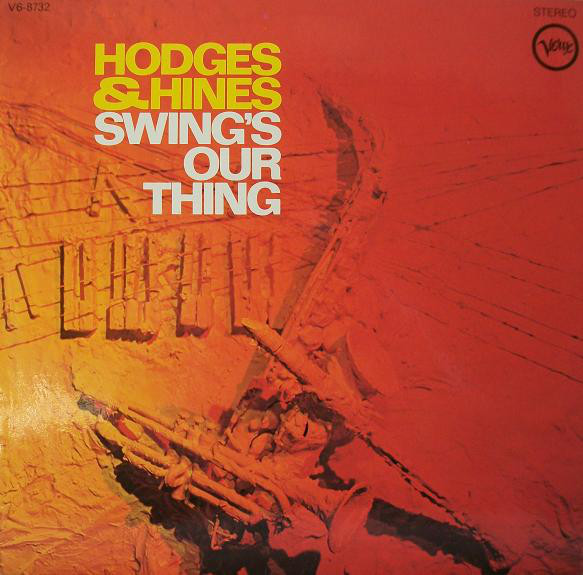
USA, 1967—emphatic negative phrase meaning ‘well, hardly’ or ‘no, that’s impossible’—used as the title of a jazz piece composed by Johnny Hodges—said to be a folk phrase that he had heard “out West”
Read MoreAustralia, 1951—used of someone who has departed and left no indication of their present whereabouts—purportedly from the story of one Malley, who was told by his boss to hold a cow; on the boss’s return, the cow had disappeared, and Malley said “She’s a goner!”
Read More
