‘the birds and the bees’: meaning and early occurrences
USA, 1936—the facts about sexual reproduction, especially as explained to a child—when this phrase appeared, ‘birds’ and ‘bees’ had long been commonly paired in literary allusions
Read More
“ad fontes!”
USA, 1936—the facts about sexual reproduction, especially as explained to a child—when this phrase appeared, ‘birds’ and ‘bees’ had long been commonly paired in literary allusions
Read MoreUSA, 1855—used of a situation in which it is difficult to distinguish cause and effect—refers to the traditional problem of which came first, the chicken (to lay the egg) or the egg (to produce the chicken)
Read MoreUSA, 1977—to be mentally stable—usually depreciatively in negative contexts, as ‘not to have both oars in the water’—refers to the necessity of dipping both the oars into the water to keep a rowing boat steady and steer it in a straight line
Read MoreAustralia, 1918—dazed and uncomprehending—from the image of a mullet that has been stunned
Read More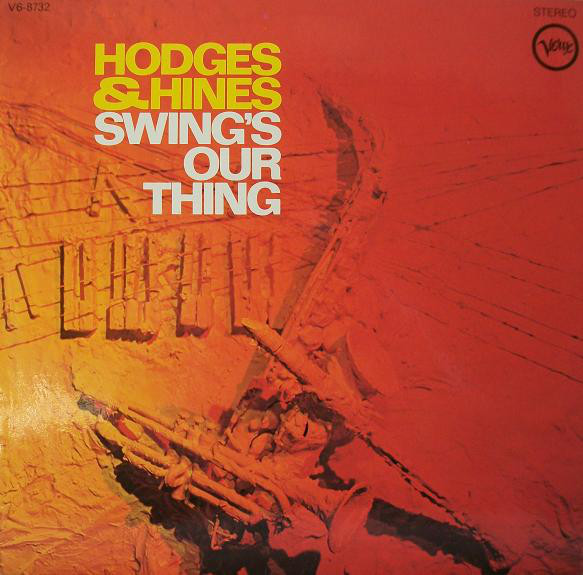
USA, 1967—emphatic negative phrase meaning ‘well, hardly’ or ‘no, that’s impossible’—used as the title of a jazz piece composed by Johnny Hodges—said to be a folk phrase that he had heard “out West”
Read MoreAustralia, 1951—used of someone who has departed and left no indication of their present whereabouts—purportedly from the story of one Malley, who was told by his boss to hold a cow; on the boss’s return, the cow had disappeared, and Malley said “She’s a goner!”
Read MoreAustralia, 1960—very fit and well, in robust health—the image is of a bull strengthened by his living in one of the semi-desert areas of Australia in which the principal vegetation is mallee, i.e., low-growing bushy eucalyptus
Read Morebe totally focused on your objective—USA — already well established in 1932—originated in the image of God’s watchful eye upon the sparrow, with reference to the gospel of Matthew, 10:29-32
Read MoreUSA, 1931—originated in sporting parlance—emphasises the meaning of the adjective it immediately follows—that adjective usually is ‘hot’ (used literally or figuratively) or describes agitation, erraticism
Read MoreUK, 1918—a malediction, typically uttered as a parting shot after a quarrel—seems to have originated as one child’s threat to another—the reason the word ‘rabbit’ was chosen is unknown
Read More word histories