origin and sense development of Anglo-Irish ‘bejesus’
1825, Anglo-Irish alteration of ‘by Jesus’—1867 as one word—‘the bejesus out of’ (1931) intensifies the action conveyed by the preceding verb
Read More
“ad fontes!”
1825, Anglo-Irish alteration of ‘by Jesus’—1867 as one word—‘the bejesus out of’ (1931) intensifies the action conveyed by the preceding verb
Read MoreUK, 1948—USA, 1952—from the image of the over-cautious man who wears both a belt and braces/suspenders to hold up his trousers
Read MoreUSA, 1960s—those who already have will receive more—refers to gospel of Matthew—coined by sociologist Robert King Merton
Read MoreUSA, late 18th century—perhaps a folk-etymological alteration of British dialectal variants of ‘boon’, meaning ‘help given by neighbours’
Read More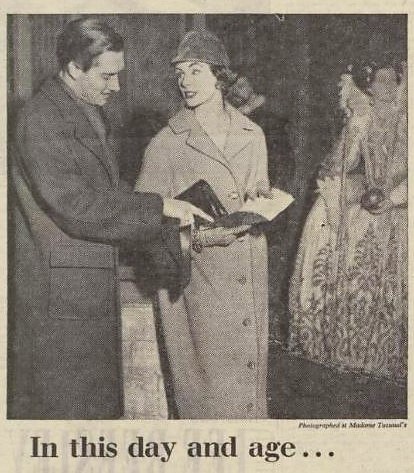
‘in this day and age’ (‘at the present time’)—USA, 1832—tautology, that is to say, ‘day’ and ‘age’ are synonymous, ‘day’ meaning ‘a period of time’
Read MoreThe original image was of throwing a monkey wrench into the cylinder of a threshing machine, and was exclusively applied to political situations—USA, late 19th century.
Read MoreUSA—‘apple polisher’ (1918): a person who curries favour with a superior; ‘apple polishing’ (1926): (an instance of) currying favour—with reference to the former practice of bringing a shiny apple as a gift to one’s teacher
Read More‘Sydney or the bush’: all or nothing (1902)—based on the metaphorical opposition between an easy life in the city and a hard life working in the outback, this phrase was apparently originally used by people risking all on the toss of a coin.
Read More
‘take the cake’ (US, 1839) alludes probably to cake as the prize in a contest, but maybe not to cakewalk—‘take the biscuit’ (US, 1879) used in British English
Read More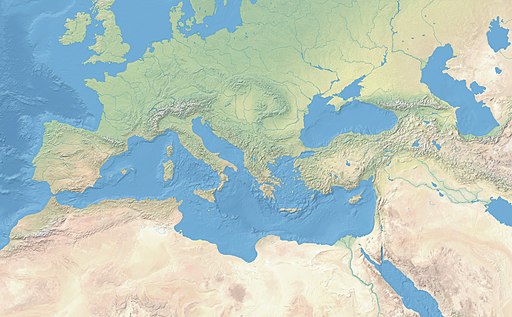
from Latin ‘mare Mediterraneum’, ‘the sea in the middle of the earth’—Latin ‘mediterrāneus’, from Greek ‘mesόgaios’, ‘situated in the middle of the land’
Read More word histories