The verb ‘unfriend’ was coined in the 17th century.
The verb unfriend was coined by the Church of England clergyman Thomas Fuller (1608-61) in The Appeal of Injured Innocence (1659).
Read More
“ad fontes!”
The verb unfriend was coined by the Church of England clergyman Thomas Fuller (1608-61) in The Appeal of Injured Innocence (1659).
Read More
early 1980s—originated in “Access. Your flexible friend”, advertising slogan for the Access credit card, which played on the notion that repayment was flexible
Read More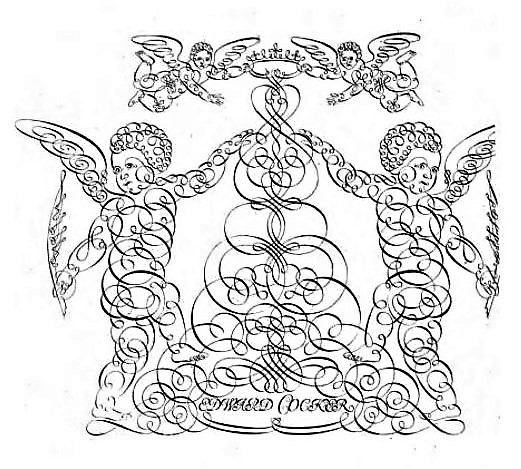
according to Cocker: correctly; reliably—early 19th century, from the name of Edward Cocker (1631-75), English arithmetician, reputed author of a popular Arithmetick
Read More
‘according to Gunter’: correctly; reliably—early 18th century, from the name of the English mathematician Edmund Gunter (1581-1626)
Read More
‘according to Hoyle’: according to plan or the rules—early 19th century: from the name of Edmond Hoyle (1672-1769), English writer on card games
Read MoreOrigin: for purposes of fasting, food was divided into categories – ‘fish’, the flesh of fish, ‘flesh’, the flesh of land-animals, ‘fowl’, the flesh of birds.
Read More
‘caper’: probably abbreviation of ‘cabriole’, from Italian ‘capriola’, literally ‘female roe deer’, from Latin ‘capreola’, ‘wild goat’, from ‘capra’, she-goat
Read More‘betwixt and between’, late 18th century—not fully or properly either of two things, in an intermediate or middling position
Read Moreearly 20th century—refers to the method of tempting a donkey to move forward by dangling a carrot before it, and beating it with a stick if it refuses
Read Moreto go off—19th cent.—from a procedure consisting in making a person walk on a straight line drawn with chalk in order to establish whether they are inebriated
Read More word histories