origin of the word ‘skinflint’
attested 1699—from the hyperbolical phrase ‘to skin a flint’ (1656)—cf. ‘to skin a flea for its hide and tallow’ and French ‘tondre un œuf’ (‘to shave an egg’)
Read More
“ad fontes!”
attested 1699—from the hyperbolical phrase ‘to skin a flint’ (1656)—cf. ‘to skin a flea for its hide and tallow’ and French ‘tondre un œuf’ (‘to shave an egg’)
Read More
‘the answer to a maiden’s prayer’—primary meaning (USA, 1926): ‘an eligible bachelor’—hence, in extended use, ‘a miracle solution’
Read More
The obsolete phrase ‘to lead apes in hell’ expresses the fancied consequence of dying a spinster. Its first know user was George Gascoigne in 1573.
Read More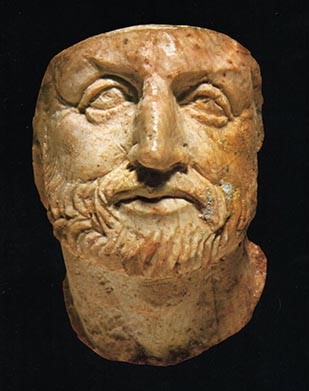
from the story of a woman who, having been unfairly judged by King Philip of Macedon while he was drunk, urged him to reconsider his decision when sober
Read More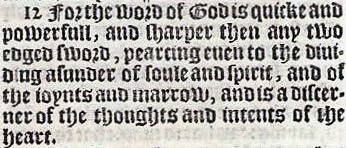
to serve both sides of an argument; to have both good and bad effects—England, early 18th century—refers to a sword which has two cutting edges
Read More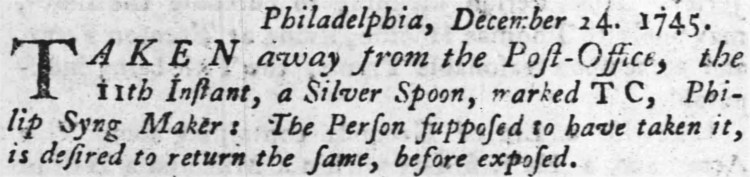
alludes to the gift of a spoon to a child at its christening—1762 as ‘one man is born with a silver spoon in his mouth, and another with a wooden ladle’
Read More
1790—from the name of a Quaker who must prove his identity against an impostor’s claims in ‘A Bold Stroke for a Wife’ (1718), a comedy by Susanna Centlivre
Read More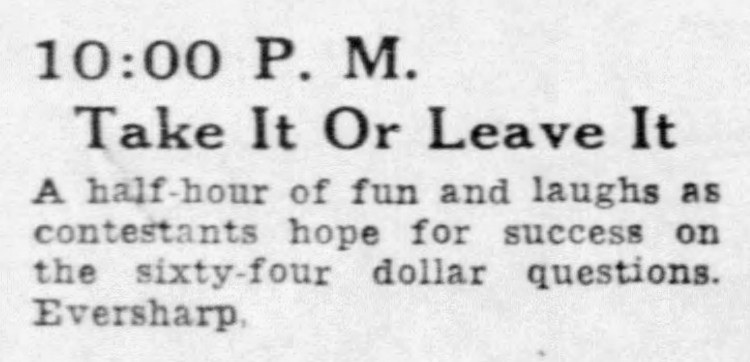
US, 1941—originated in ‘Take It or Leave It’, a radio quiz for a prize of sixty-four dollars—developed to ‘sixty-four thousand dollar question’ as early as 1943
Read More
(British) benefit paid by the state to the unemployed (1919)—from Middle-English sense ‘food or money given in charity’—from primary sense ‘portion’, ‘share’
Read More
from Medieval Latin ‘paraphernalia’, short for ‘paraphernalia bona’, ‘married woman’s property’, i.e. the goods which a bride brings over and above her dowry
Read More word histories