the cinematographic origin of ‘to cut to the chase’
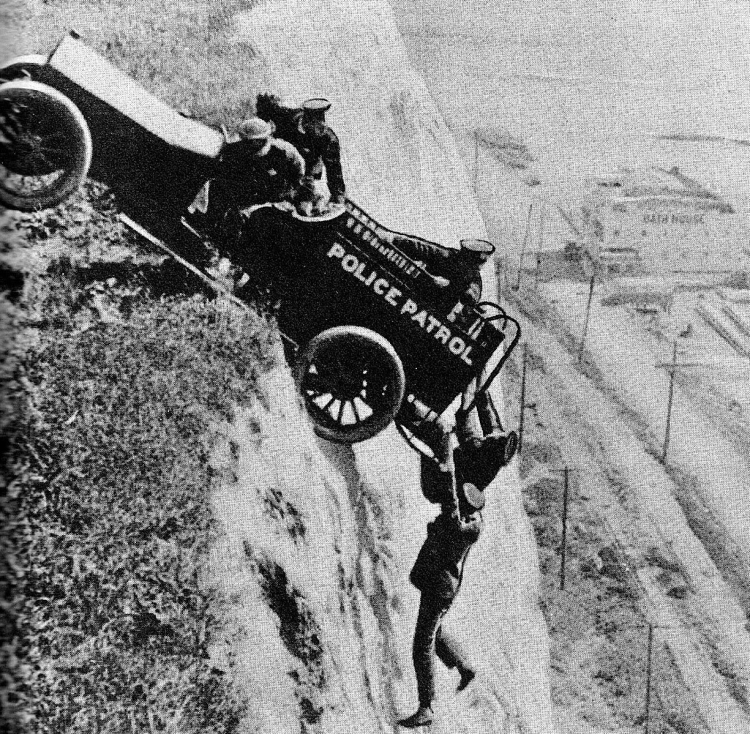
In cinematography, ‘to cut to the chase’ is to cut to a chase scene, hence to cut to an interesting or fast-paced part of a film, deleting less exciting scenes.
Read More
“ad fontes!”
In cinematography, ‘to cut to the chase’ is to cut to a chase scene, hence to cut to an interesting or fast-paced part of a film, deleting less exciting scenes.
Read More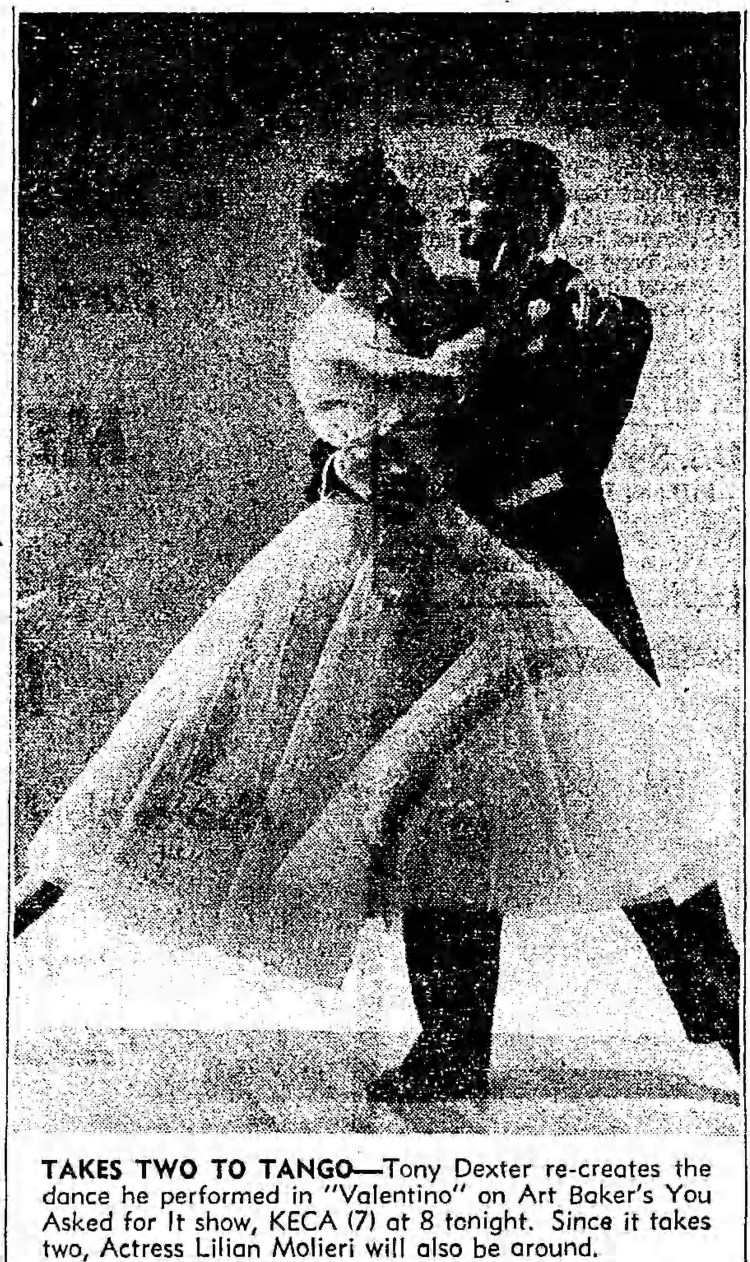
both parties involved in a situation or argument are equally responsible for it—USA, 1952—from ‘Takes Two to Tango’ (1952), a song by Hoffman and Manning
Read More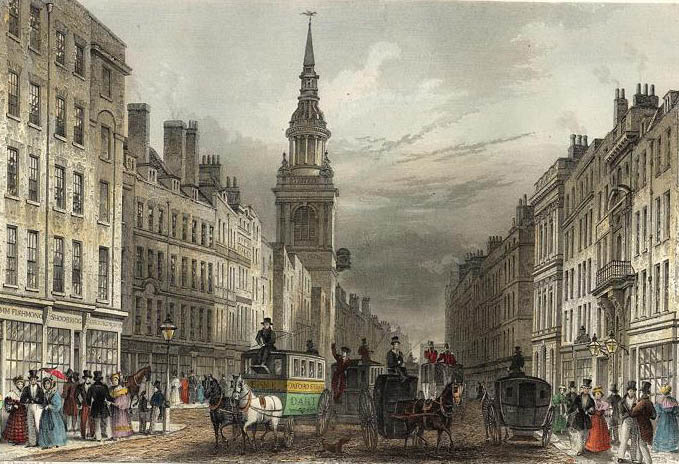
originally ‘pampered child’, later ‘town-dweller regarded as affected or puny’—origin uncertain—probably not the same word as ‘cokeney’, literally ‘cock’s egg’
Read More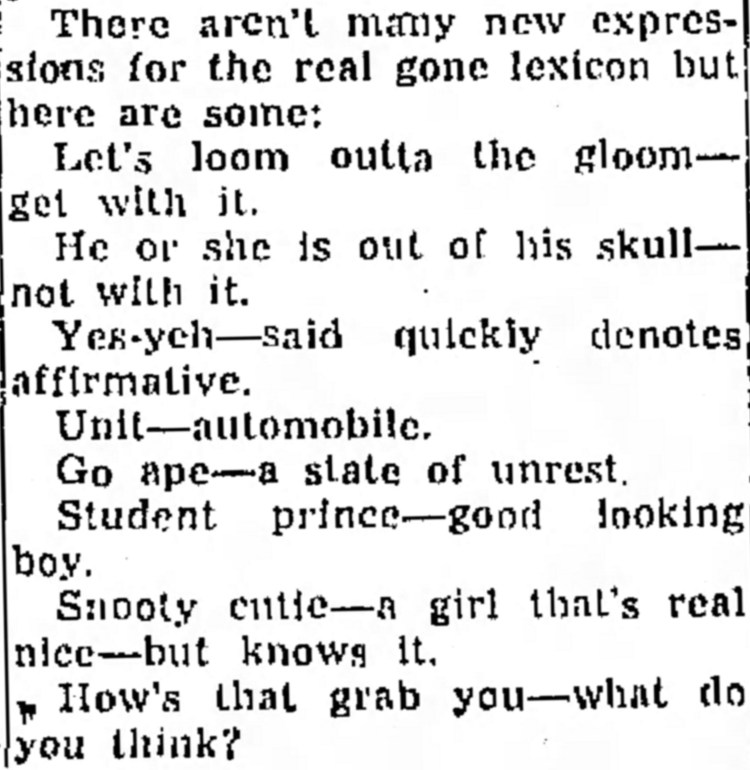
USA—‘not part of a particular exclusive group’, 1955—‘out of one’s mind’, 1958—‘smashed out of one’s skull’ (= ‘drunk’, 1963)—‘bored out of one’s skull’, 1967
Read More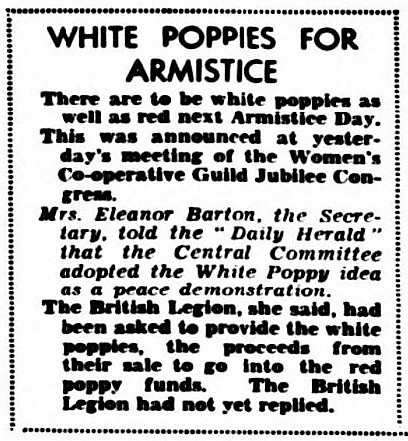
white poppy: introduced in 1933 by the Women’s Co-operative Guild, which wanted it to be made by, and to benefit, ex-servicemen, but the British Legion refused
Read Morefrom Job, 19:20—this verse, and particularly the Hebrew verb form immediately preceding ‘bĕʿōr šinnāi’ (‘with the skin of my teeth’), are of uncertain meaning
Read More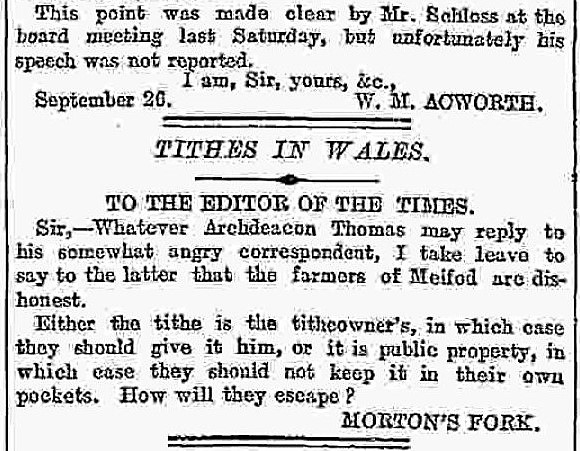
an argument said to have been used by John Morton in levying forced loans: a person living well was obviously rich; one living frugally must have savings
Read Moreearly 19th century—probably a jocular application of ‘forty’ as an indefinite term for a large number—‘wink’ in the sense of ‘a closing of the eyes for sleep’
Read More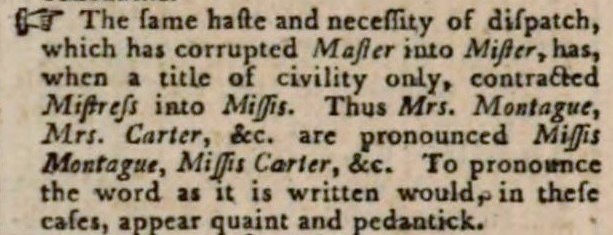
‘Mr’-‘Mrs’: originally abbreviations of ‘master’-‘mistress’—‘mister’-‘missus’: renderings of the altered pronunciations of ‘master’-‘mistress’ in ‘Mr’-‘Mrs’
Read More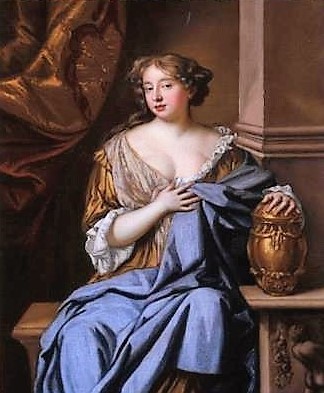
‘miss’: unmarried woman or girl; 17th cent., short for ‘mistress’—‘Ms’: title free of reference to marital status; 20th cent., blend of ‘Mrs’ and ‘Miss’
Read More word histories