meaning and origin of ‘j’accuse’
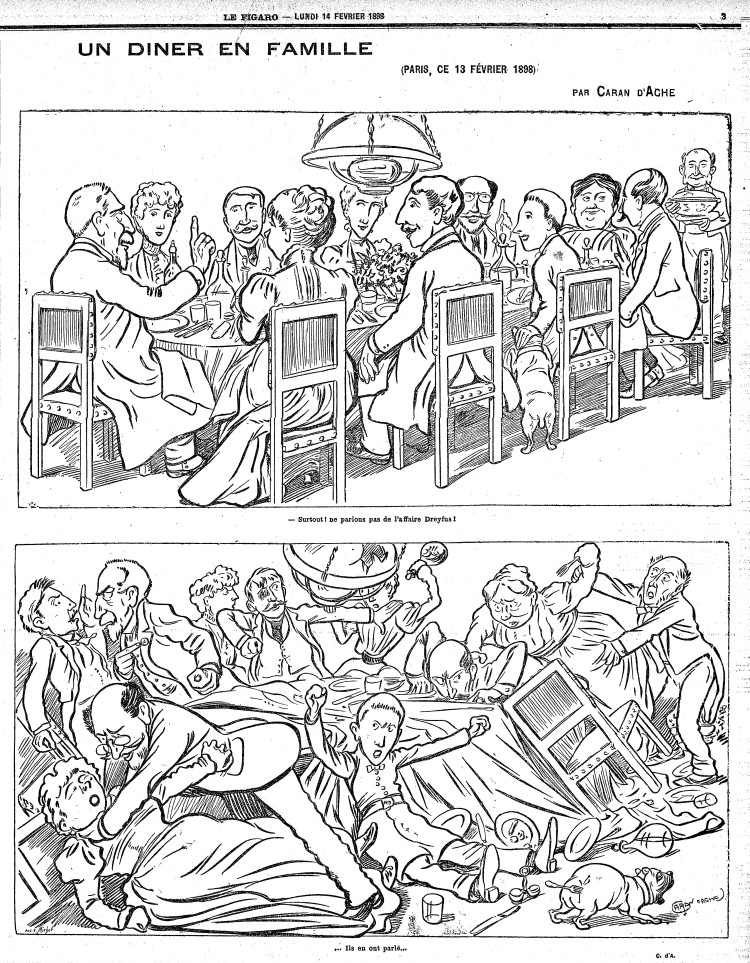
1899—public accusation in response to a perceived injustice—from the title of an open letter (1898) by Émile Zola, condemning the imprisonment of Alfred Dreyfus
Read More
“ad fontes!”
1899—public accusation in response to a perceived injustice—from the title of an open letter (1898) by Émile Zola, condemning the imprisonment of Alfred Dreyfus
Read More
in full ‘Quasimodo Sunday’: the Sunday after Easter—from the opening words of the Latin introit for that day, ‘quasimodo geniti infantes’, ‘as newborn babies’
Read More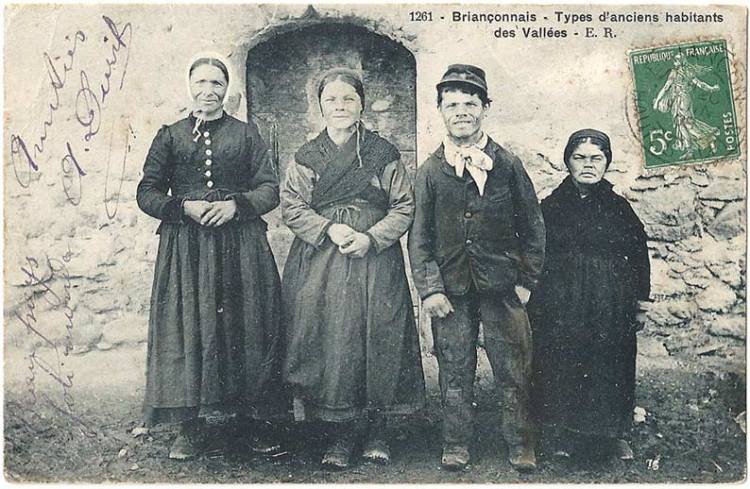
Swiss-French ‘crestin’ (= ‘Christian’): in certain valleys of the Alps, a mentally deficient, deformed person suffering from a congenital thyroid deficiency
Read More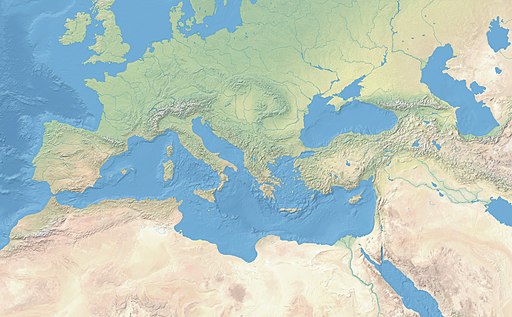
from Latin ‘mare Mediterraneum’, ‘the sea in the middle of the earth’—Latin ‘mediterrāneus’, from Greek ‘mesόgaios’, ‘situated in the middle of the land’
Read MoreThe ladybird was so named on account of its seven spots, which were popularly believed to symbolise the seven sorrows of the Virgin Mary.
Read More‘Butterfly kiss’ appeared in the second half of the 19th century to designate the act of lightly sweeping a person’s cheek with one’s eyelashes.
Read MoreSince antiquity, European languages have variously named the butterfly, in particular by using sound reduplications expressive of its fluttering.
Read More
The word ‘folklore’ was coined in 1846 by the British author William John Thoms, inspired by Jacob and Wilhelm Grimm’s anthology of German fairy tales.
Read More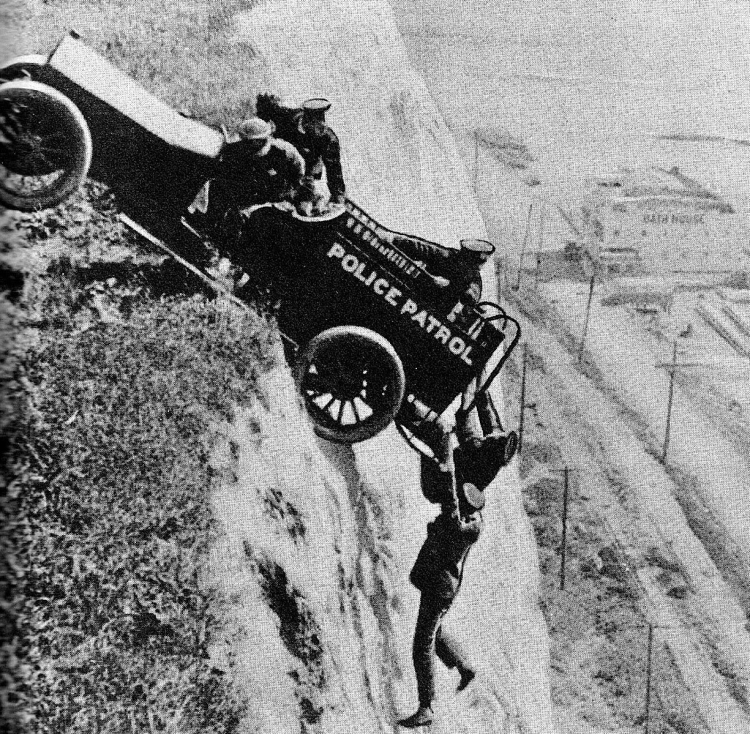
In cinematography, ‘to cut to the chase’ is to cut to a chase scene, hence to cut to an interesting or fast-paced part of a film, deleting less exciting scenes.
Read More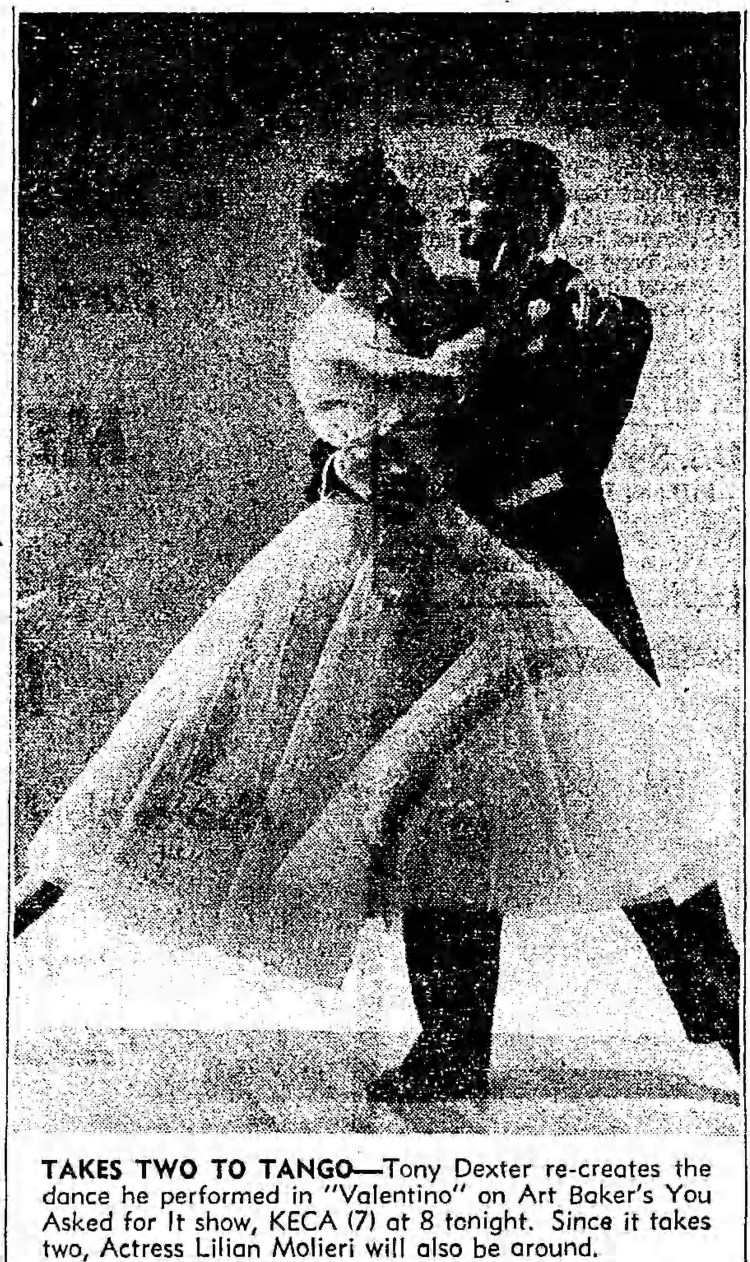
both parties involved in a situation or argument are equally responsible for it—USA, 1952—from ‘Takes Two to Tango’ (1952), a song by Hoffman and Manning
Read More word histories