meaning, origin and early instances of ‘to lie doggo’
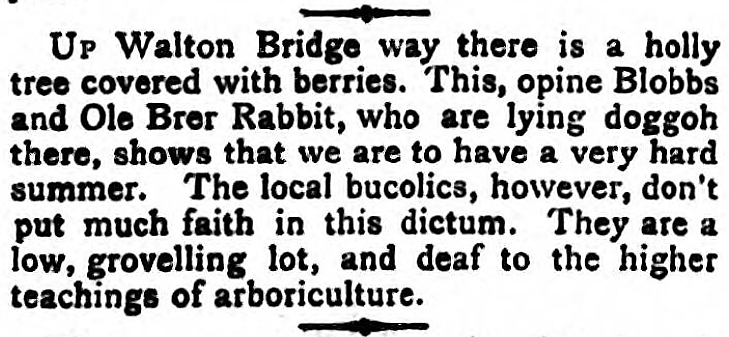
UK, 1882—to remain motionless and quiet; to keep a low profile—probably from ‘dog’ and suffix ‘-o’, with allusion to the characteristically light sleep of a dog
Read More
“ad fontes!”
UK, 1882—to remain motionless and quiet; to keep a low profile—probably from ‘dog’ and suffix ‘-o’, with allusion to the characteristically light sleep of a dog
Read More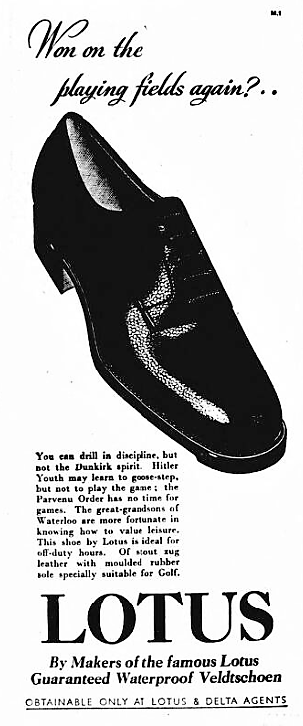
1940 as ‘spirit of Dunkirk’—determination to endure hardship—refers to the evacuation of the British Expeditionary Force from Dunkirk in May/June 1940
Read More
UK, 1845: made as a last desperate attempt—from the 18th-century phrase ‘to die in the last ditch’, ‘ditch’ denoting a defensive entrenchment
Read More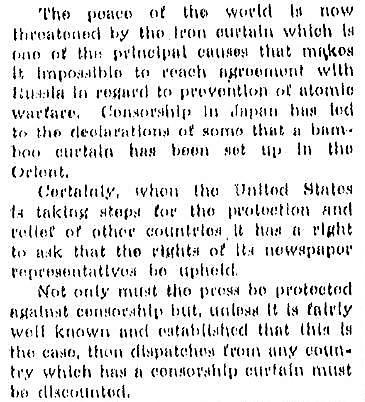
USA, 1948—notional barrier between China and non-Communist countries—after ‘Iron Curtain’—first used of censorship in South-East Asia
Read MoreUSA—‘man Friday’ 1802: alludes to the name of Robinson Crusoe’s servant in Daniel Defoe’s novel—‘girl Friday’ 1929: coined on the pattern of ‘man Friday’
Read More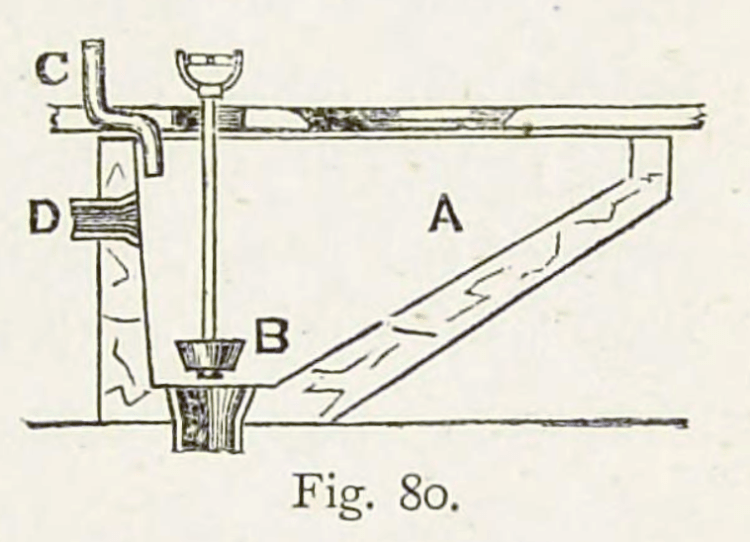
UK, 1950—to be completely lost or wasted; to fail utterly—alludes to ‘pan’ in the sense of the bowl of a toilet
Read More
USA, 1868—‘brass tacks’: the nails studded over a coffin, hence figuratively the end of any possibility of deceit, the return to essentials
Read More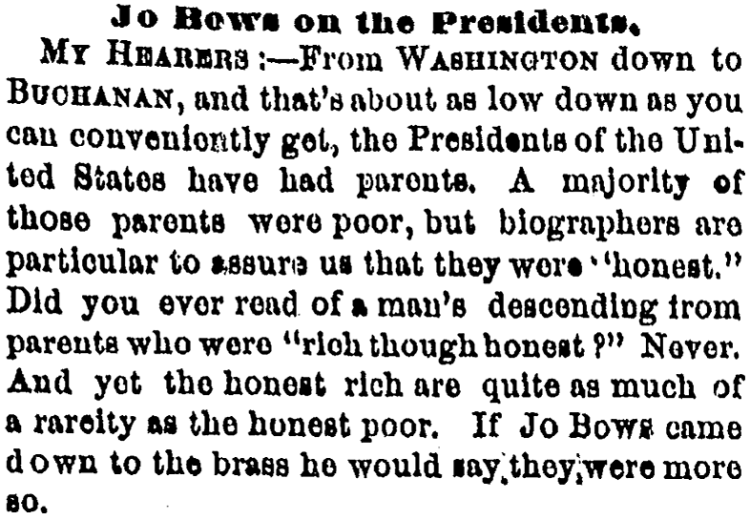
USA—‘come (right) down to the brass’ (1854): get to the point; tackle the essentials—‘come down to brass tacks’ (1863): tackle the essentials
Read MoreUSA, 1838—used with reference to extreme cold, extreme heat and other notions such as ridiculousness—from jocular allusions to brass statuettes of monkeys
Read MoreUK, 1925—symbol of civilian life as opposed to service in the armed forces and of demobilisation or dismissal from the army
Read More word histories