meaning and origin of ‘Fibber McGee’s (hall) closet’

USA, 1942—used with reference to clutter, jumble, mess—alludes to the overstuffed closet in U.S. radio comedy series ‘Fibber McGee and Molly’ (1935 to 1956)
Read More
“ad fontes!”
USA, 1942—used with reference to clutter, jumble, mess—alludes to the overstuffed closet in U.S. radio comedy series ‘Fibber McGee and Molly’ (1935 to 1956)
Read More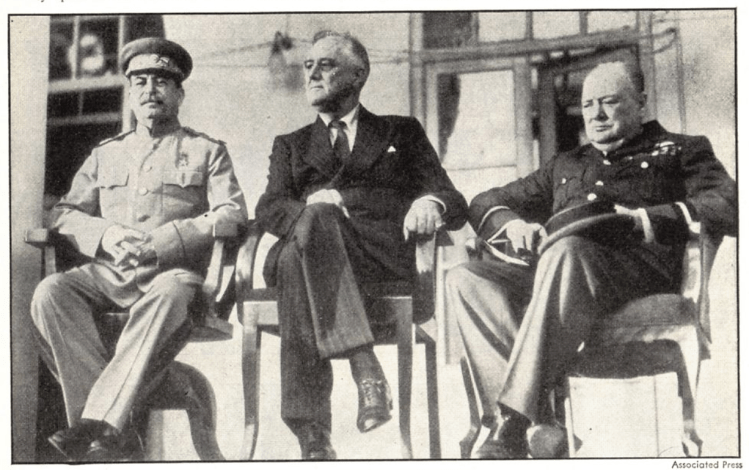
used to pose the dilemma between material power and moral strength, and seemingly to dismiss the latter—from a question allegedly posed by Joseph Stalin (USA 1943)
Read More
1734: a card game in which one player tries to win all the cards of the other—1802: refers to an advantage gained by one side at the expense of the other
Read MoreUSA—derogatory appellation for a group of persons—1950 Los Angeles’s gangs of hoodlums—1955 self-designation of a group of Hollywood celebrities
Read More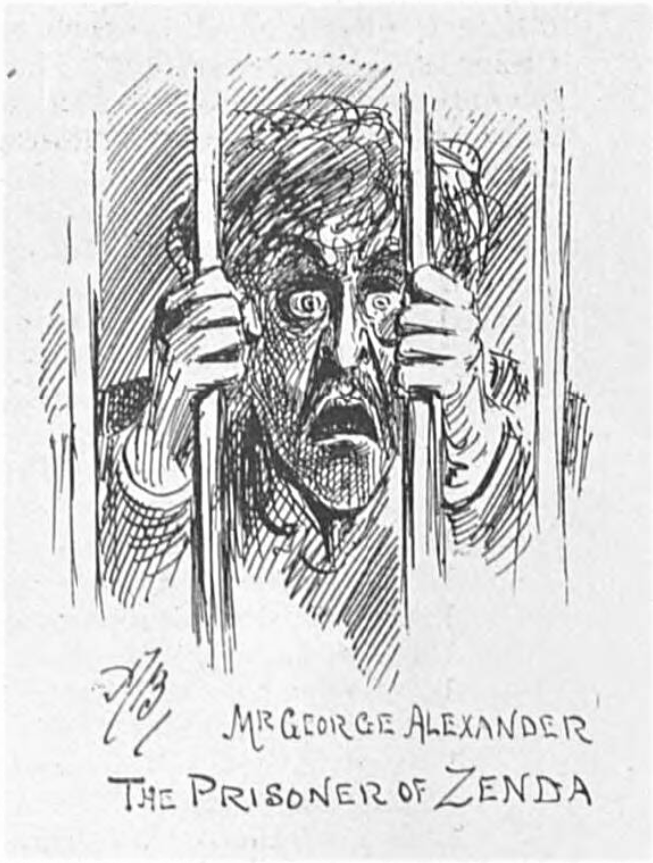
from The Prisoner of Zenda (1894), set in the fictional kingdom of Ruritania—UK, 1896: romantic adventure and intrigue; any imaginary or hypothetical country
Read More
Washington’s strategy was similar to that of Fabius Cunctator, who defeated Hannibal by avoiding decisive contests—the Fabian Society advocates gradual reforms
Read More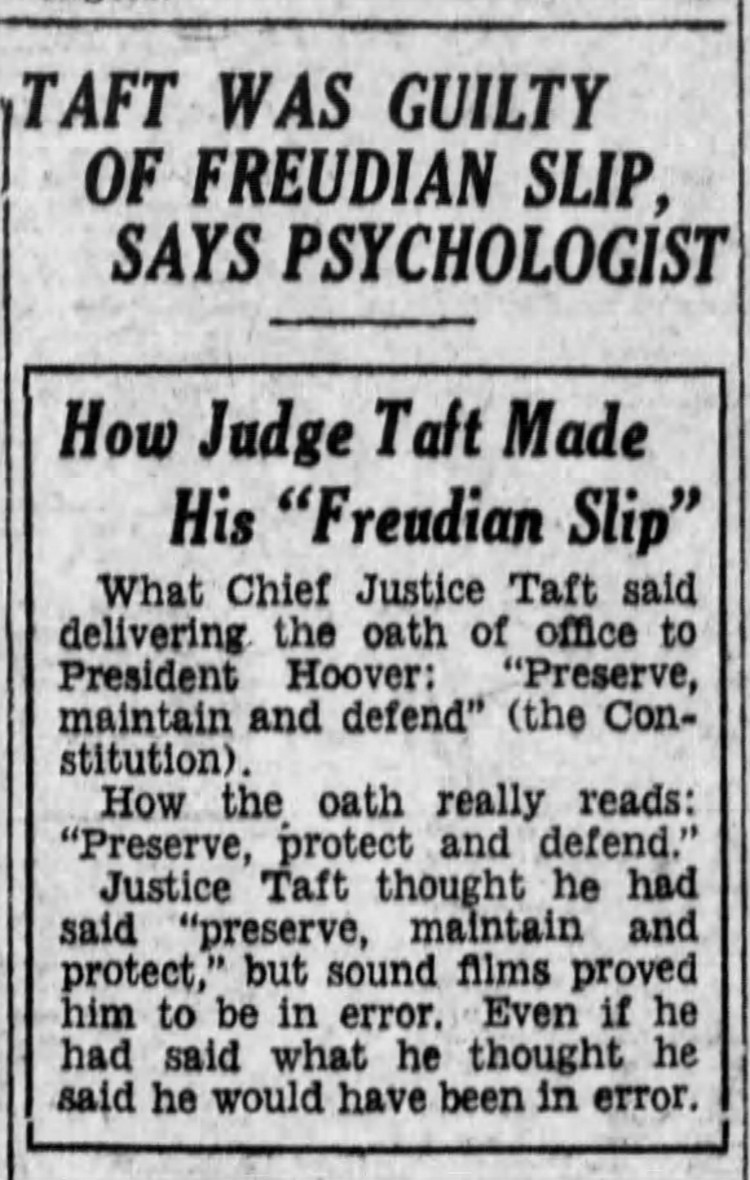
USA, 1927—a slip of the tongue by which the speaker reveals an unconscious thought—named after Austrian neurologist and psychotherapist Sigmund Freud (1856-1939)
Read More
USA—from 1848 onwards in contrast to ‘all men are equal’—now often alludes to ‘but some animals are more equal than others’ in Orwell’s Animal Farm (1945)
Read Moree.g. ‘one eye at St. Paul’s and the other at Charing-cross’, ‘un œil aux champs et l’autre à la ville’ (one eye at the fields and the other at the town)
Read Morewith allusion to food served up on a slice of toast—1877 ‘to have someone on toast’: to have someone at one’s mercy—1886 ‘to be had on toast’: to be cheated
Read More word histories