the phrase ‘(not) to go gentle into that good night’
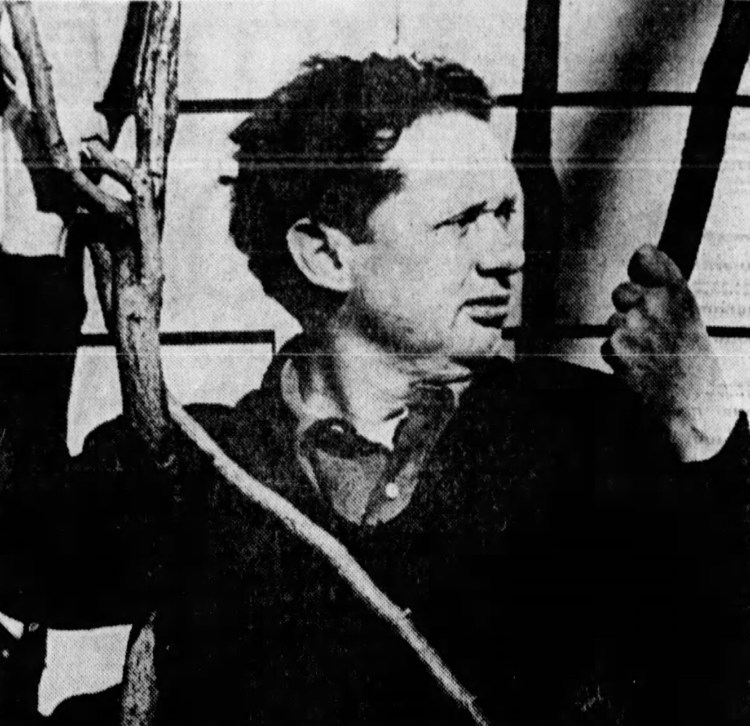
USA, 1952—meaning: (not) to give up or acquiesce, especially to death, without a struggle—origin: used as the title of, and in, a poem by Dylan Thomas
Read More
“ad fontes!”
USA, 1952—meaning: (not) to give up or acquiesce, especially to death, without a struggle—origin: used as the title of, and in, a poem by Dylan Thomas
Read More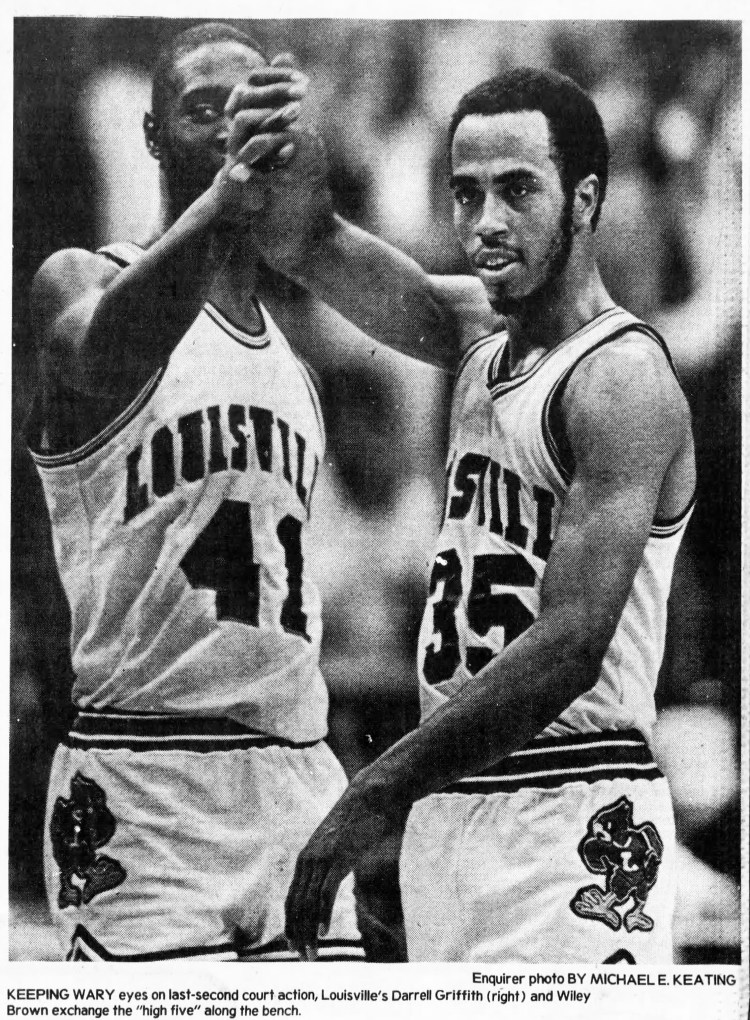
USA, 1980—gesture of celebration or greeting in which two people slap each other’s palms with their arms raised—originated in basketball
Read More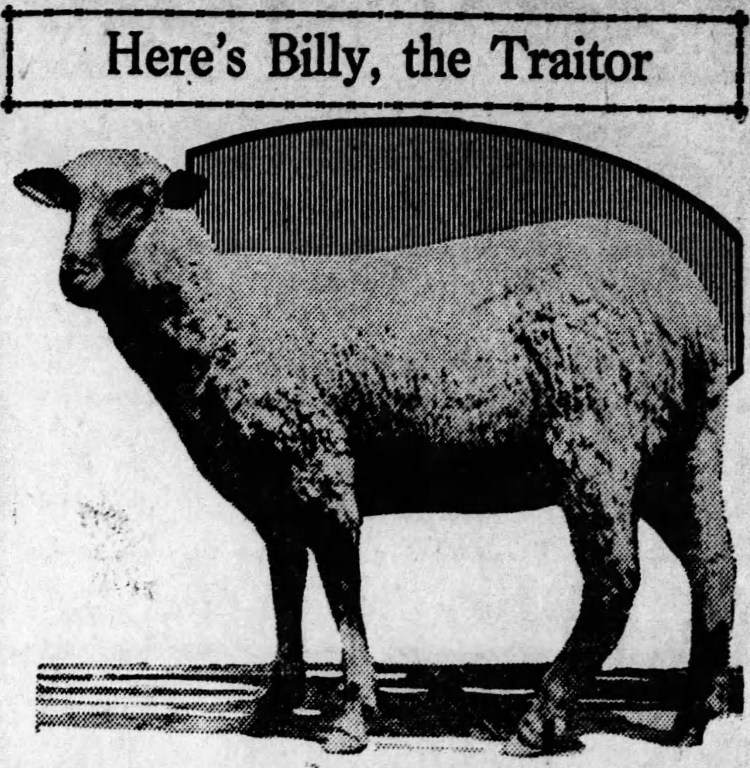
USA, early 20th century—a sheep or a goat used to lead sheep to slaughter—hence any person or thing used as a decoy to lure people into being caught, arrested, etc.
Read More
an extremely beautiful woman—alludes to the description of Helen of Troy in Christopher Marlowe’s ‘Doctor Faustus’—has given rise to countless adaptations
Read More
a man and woman in the act of copulation—English: earliest in Shakespeare’s Othello—perhaps a calque of French: earliest in Rabelais’s Gargantua (1542)
Read More
USA, 1942—used with reference to clutter, jumble, mess—alludes to the overstuffed closet in U.S. radio comedy series ‘Fibber McGee and Molly’ (1935 to 1956)
Read More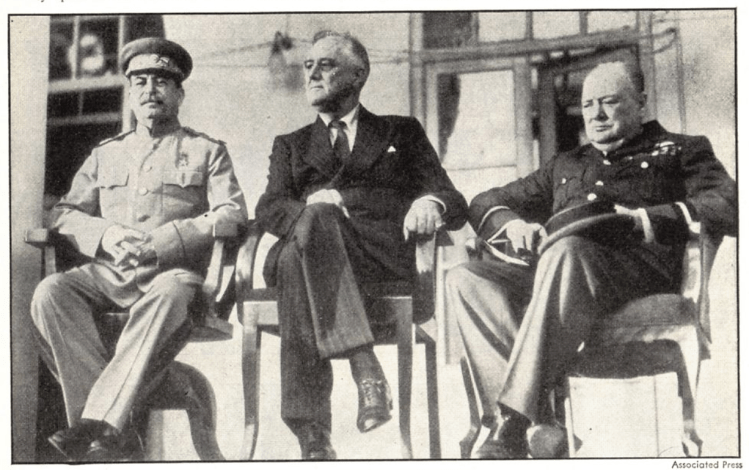
used to pose the dilemma between material power and moral strength, and seemingly to dismiss the latter—from a question allegedly posed by Joseph Stalin (USA 1943)
Read More
1734: a card game in which one player tries to win all the cards of the other—1802: refers to an advantage gained by one side at the expense of the other
Read MoreUSA—derogatory appellation for a group of persons—1950 Los Angeles’s gangs of hoodlums—1955 self-designation of a group of Hollywood celebrities
Read More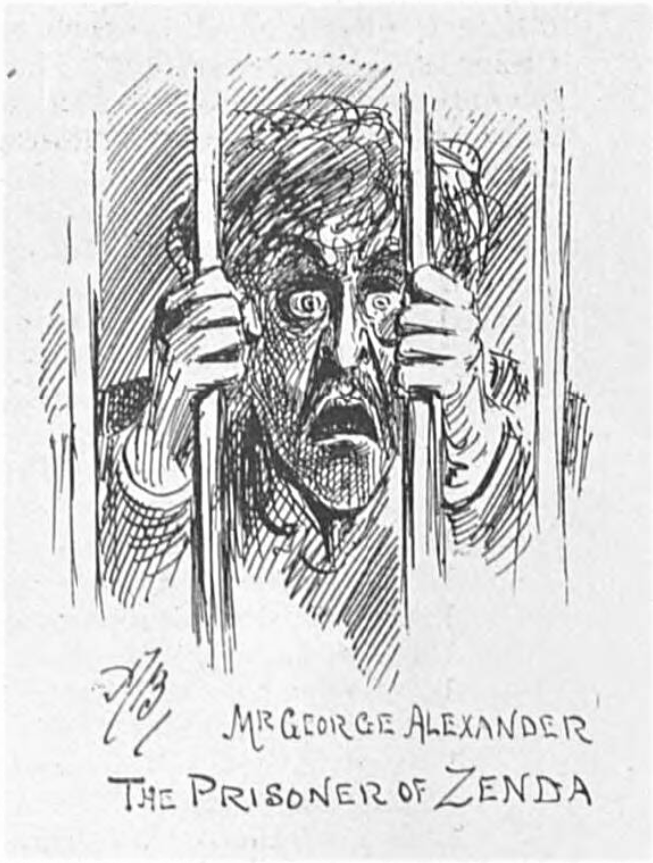
from The Prisoner of Zenda (1894), set in the fictional kingdom of Ruritania—UK, 1896: romantic adventure and intrigue; any imaginary or hypothetical country
Read More word histories