‘lay on, Macduff’ | ‘lead on, Macduff’
from Shakespeare’s ‘Macbeth’—1814 ‘lay on, Macduff’: go ahead (and give it your best try)—1855 misquotation ‘lead on, Macduff’: let’s get going, start us off
Read More
“ad fontes!”
from Shakespeare’s ‘Macbeth’—1814 ‘lay on, Macduff’: go ahead (and give it your best try)—1855 misquotation ‘lead on, Macduff’: let’s get going, start us off
Read MoreUK, 1945—with allusion to the former price of admission to public lavatories: to use a public convenience—by extension: to urinate
Read More
USA, 1878—someone who behaves exemplarily in public, but who is abusive in private life—calque of German ‘Strass-Engel Haus-Teufel’
Read More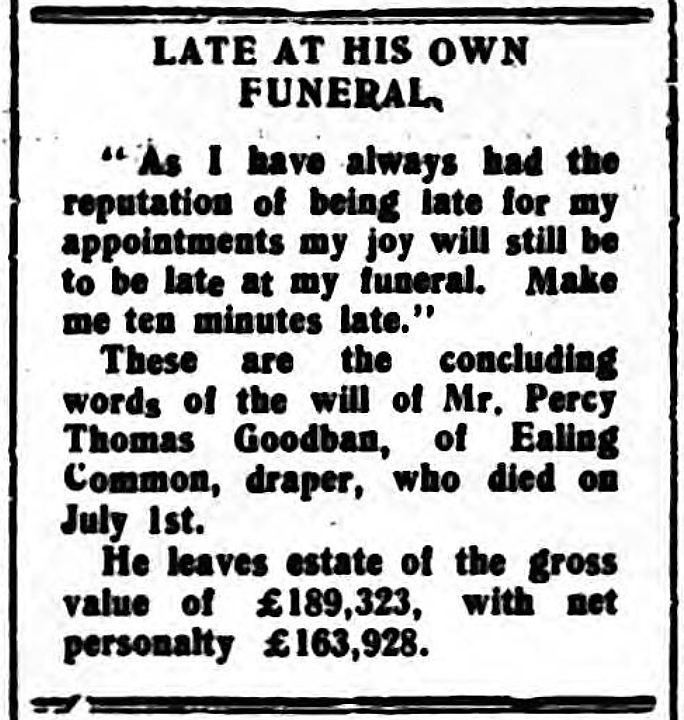
UK and USA, 1881—addressed or applied to one guilty of chronic and irritating unpunctuality—occasionally used literally
Read Morevery rude way of expressing profound contempt—first recorded in The Killing of Abel, one of the 15th-century mystery plays known as the Wakefield, or Towneley, plays
Read More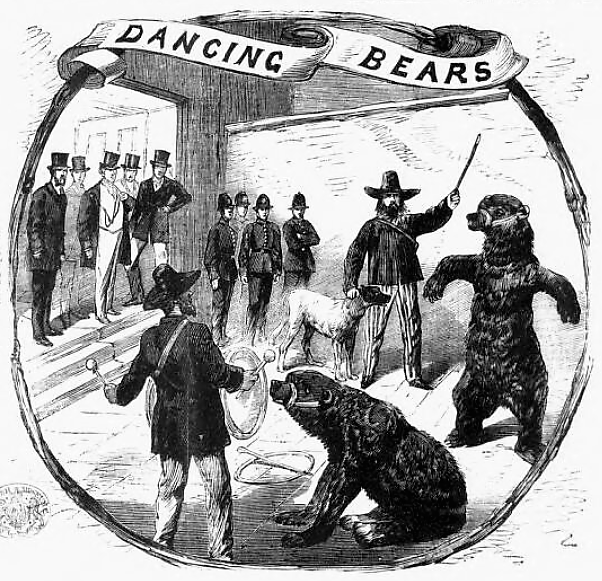
16th century—exclamation of annoyance at the reappearance of someone or something—from bear-leaders’ regular visits or from story of Elisha and the bears
Read Moreto have no idea at all—Scotland, 1990—‘scooby’ (short for ‘Scooby Doo’, name of cartoon dog in U.S. television series and films): rhyming slang for ‘clue’
Read More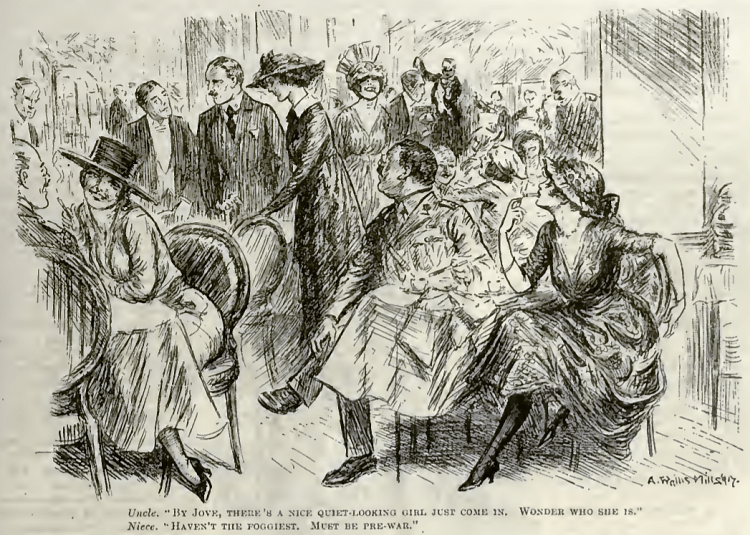
to have no idea at all—UK, 1913, shortening of ‘not to have the foggiest idea’ and variants (mid-19th century)—adjective ‘foggy’ means hazy, vague
Read More
UK, 1935—to conduct oneself adroitly (‘clever’: adverb meaning ‘skilfully’)—originated in boxing
Read More1911—‘Damaged Goods’, translation of ‘Les Avariés’, by French dramatist Eugène Brieux, about the dangers of ignorance concerning sexually transmitted diseases
Read More word histories