‘hell hath no fury like a woman’s corns’
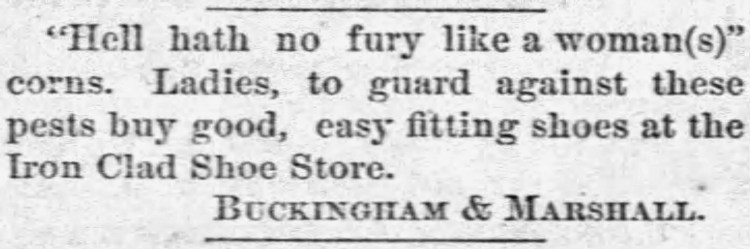
Ireland, 1845: ‘hell has no fury like a woman corned’—puns on ‘hell hath no fury like a woman scorned’, which refers to Congreve’s ‘The Mourning Bride’ (1697)
Read More
“ad fontes!”
Ireland, 1845: ‘hell has no fury like a woman corned’—puns on ‘hell hath no fury like a woman scorned’, which refers to Congreve’s ‘The Mourning Bride’ (1697)
Read MoreUK, 1918—popular among British soldiers during WWI—satirises “the squire has been foully murdered”, a topos from late-Victorian and Edwardian melodrama
Read More
gained currency from its use by Magnus Magnusson on the BBC-Television quiz programme ‘Mastermind’, which he presented from its creation in 1972 until 1997
Read More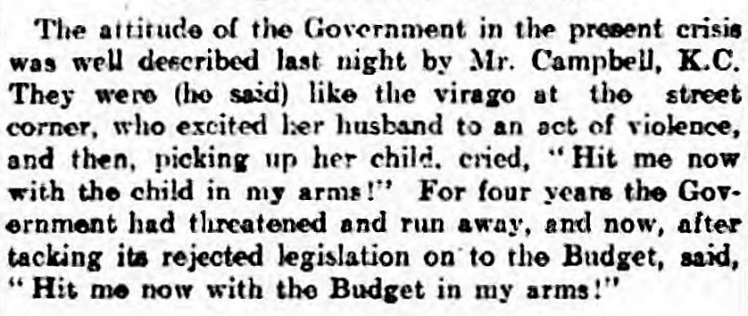
Irish-English phrase—first recorded in 1892—used to express pretended fear of, and/or provocation to, a physical attack
Read More
USA, 1919—‘spare no expense’—also ‘go all out for it’, ‘hand victory on a platter’, ‘allow yourself more of what you want’ (South Africa)
Read More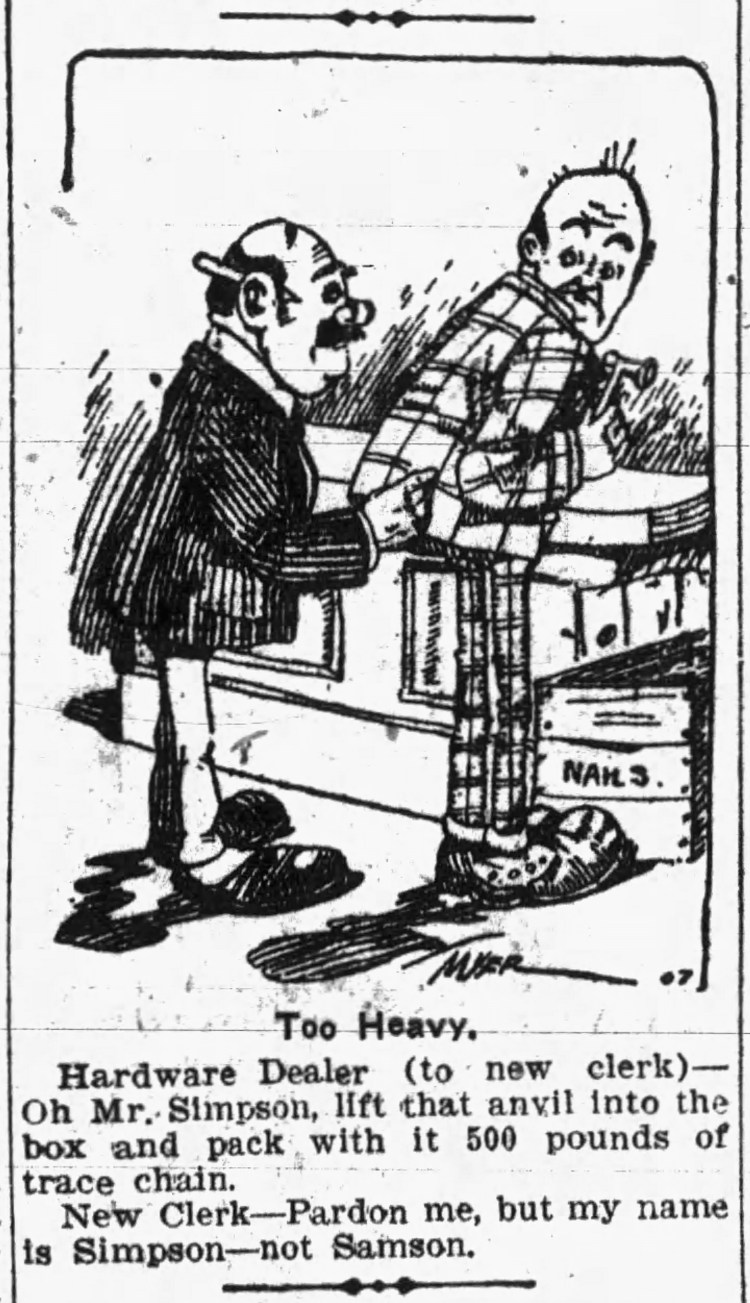
UK, 1906—used by a workman asked to lift too heavy an object—‘Simpson’ chosen for its similarity with ‘Samson’, the name of a biblical hero of enormous strength
Read More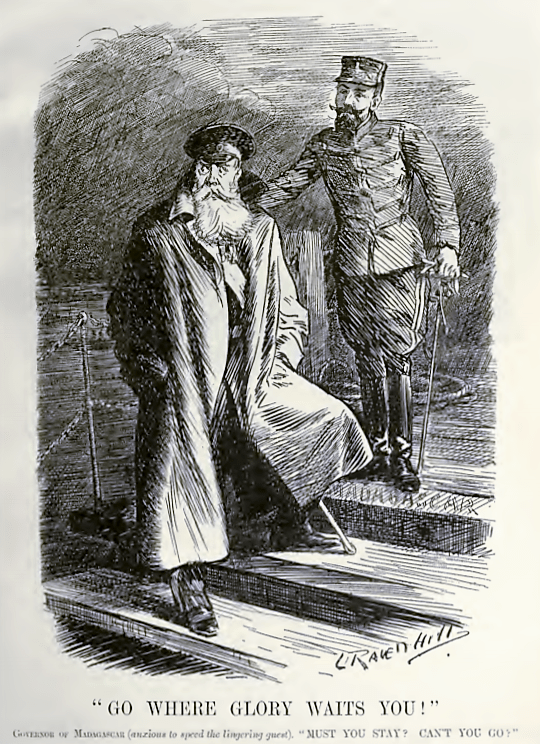
UK, 1897—alteration of ‘must you go? can’t you stay?’ in Collections and Recollections, by G. W. E. Russell—originally used in reference to guests’ departure
Read More
1) a seemingly devout or respectable person who lacks virtue—2) (with a pun on ‘holey’, i.e., full of holes) jocularly applied to holey things such as clothes
Read MoreUK, 1907—the ideal of an unmarried woman—the phrase was especially used when offering to an unmarried woman the last cake or piece of bread from a plate
Read More
jocularly denotes a performance of Shakespeare’s Hamlet in its entirety—UK, 1946—all occurrences from articles by theatre critic J. C. Trewin (1908-1990)
Read More word histories