‘that job’s jobbed’: meaning and early occurrences
used to express satisfaction when a task that has called for more than usual enterprise and determination has been accomplished—UK, 1833
Read More
“ad fontes!”
used to express satisfaction when a task that has called for more than usual enterprise and determination has been accomplished—UK, 1833
Read More
one is experiencing remarkably good fortune; one has everything one could have wished or hoped for—Australia, 1932
Read More
USA, 1956—jocular variant of equally jocular ‘see you later, alligator’ (1952)—recoined on separate occasions by various persons, independently from one another
Read More
Australia, 1953—slogan used by opponents of nuclear weapons—also used in New Zealand
Read More
USA, 1887—of a child: to go to bed—‘Lilywhite’ refers to the whiteness of the bedsheets—from ‘lily-white’, meaning ‘white as a lily’, hence ‘of a pure white’
Read More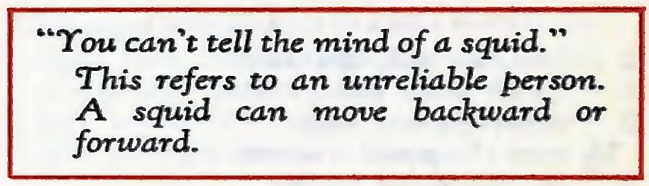
Newfoundland, 1958—used of someone or something that is unreliable—refers to the fact that a squid moves backwards and forwards
Read More
don’t wait in anxious anticipation—USA, 1854—the image is of somebody holding their breath when anxious or excited about something
Read More
used ironically of something regarded as prosaic or even thoroughly vulgar—USA, 1869—‘romance’: romantic love idealised for its purity or beauty
Read More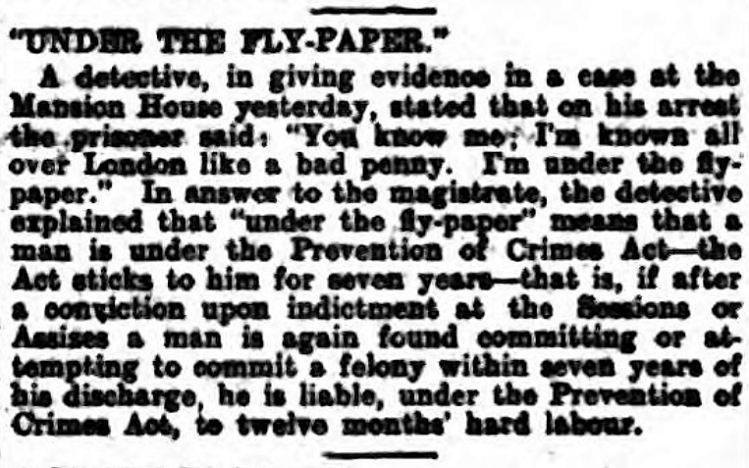
UK slang, 1906—‘Flypaper Act’: the Prevention of Crimes Act—‘to be under, or on, the flypaper’: to be subject to the Prevention of Crimes Act
Read More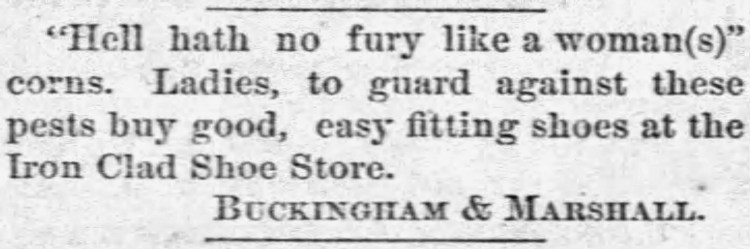
Ireland, 1845: ‘hell has no fury like a woman corned’—puns on ‘hell hath no fury like a woman scorned’, which refers to Congreve’s ‘The Mourning Bride’ (1697)
Read More word histories