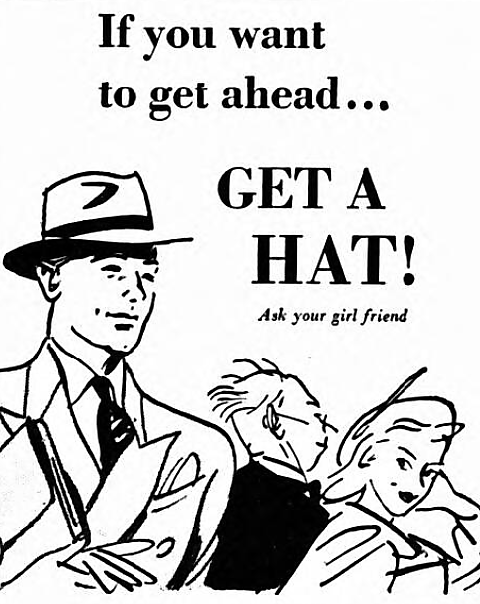
one must wear a hat in order to become successful in one’s life or career—originally the slogan for an advertising campaign organised in 1948 by the British hat-manufacturers when hat-wearing began to decline
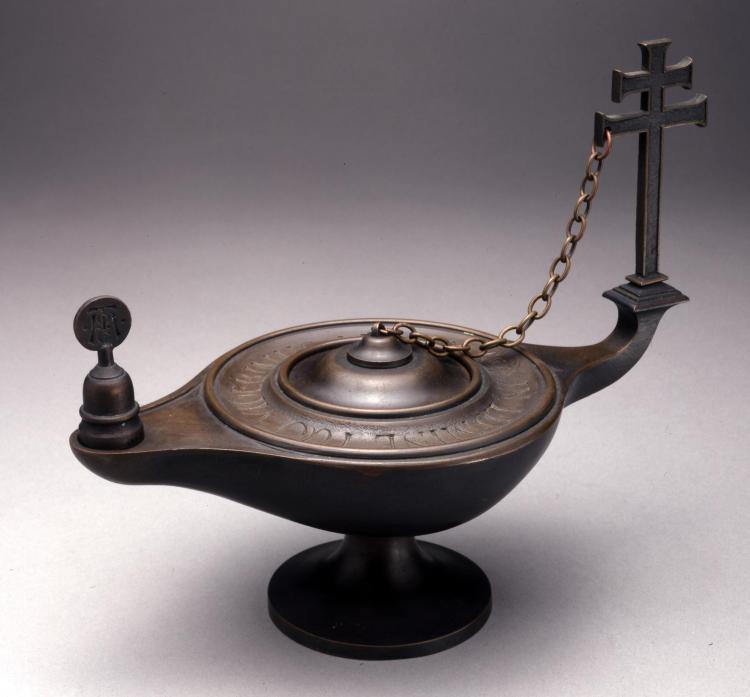
dim-witted—UK, 1955—refers to the oil lamp that is symbolically lit at the beginning of the meetings of each section of the international movement Toc H
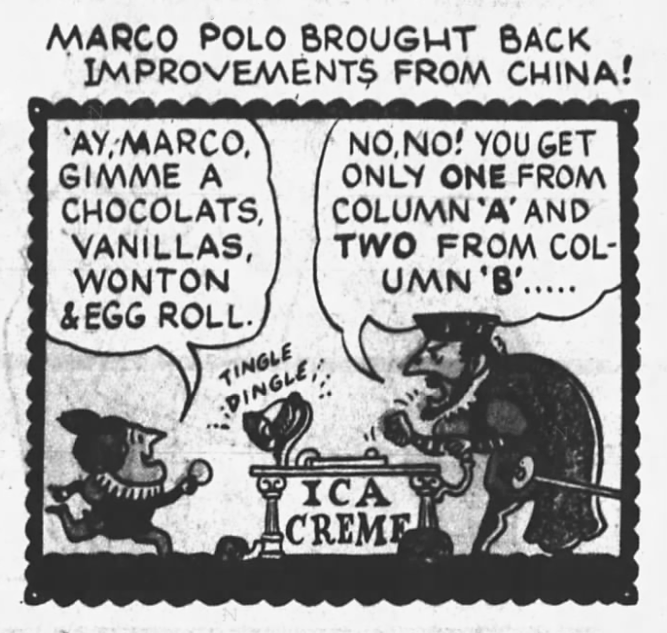
alludes to the menus in Chinese restaurants, which list the dishes in two columns, column A and column B—USA, 1956—first in reference to comedian Buddy Hackett’s routine on a Chinese waiter taking an order
(baseball) a good fielder, but a poor hitter, i.e., batter—USA, 1925—purportedly coined in 1924 by Miguel Gonzales to describe Moe Berg in a telegram to Mike Kelley
used in 1939 by Leo Rosten about U.S. actor W. C. Fields—has been wrongly attributed to the latter—but first used by U.S. journalist Byron Darnton, according to an article of 1937
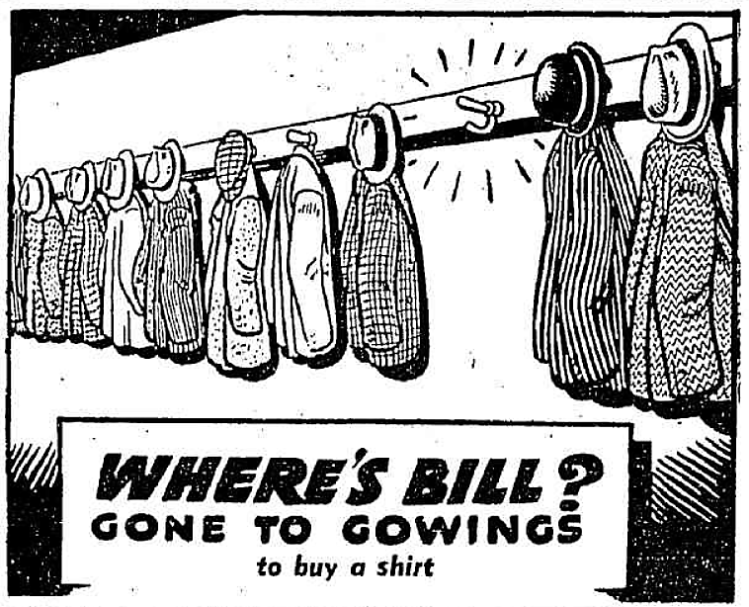
originally applied to someone’s absence—Australia, 1945—originated in 1940s advertisements for Gowings, showing scenes vacated in a hurry by those seeking bargains

 word histories