‘Miss Otis regrets’: a recurring phrase
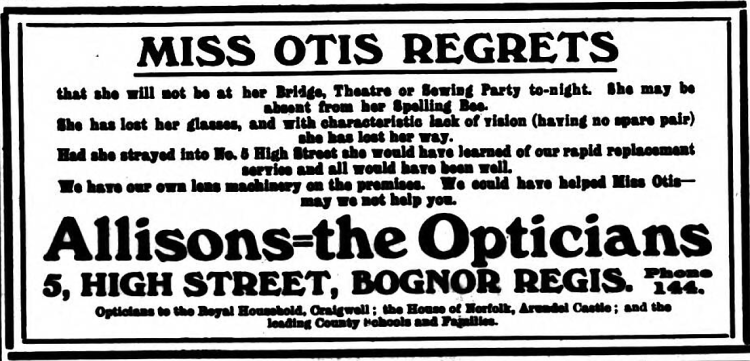
UK 1934 – USA 1935—alludes to a sardonic song by Cole Porter, about the lynching of an upper-class woman after she murders her unfaithful lover
Read More
“ad fontes!”
UK 1934 – USA 1935—alludes to a sardonic song by Cole Porter, about the lynching of an upper-class woman after she murders her unfaithful lover
Read More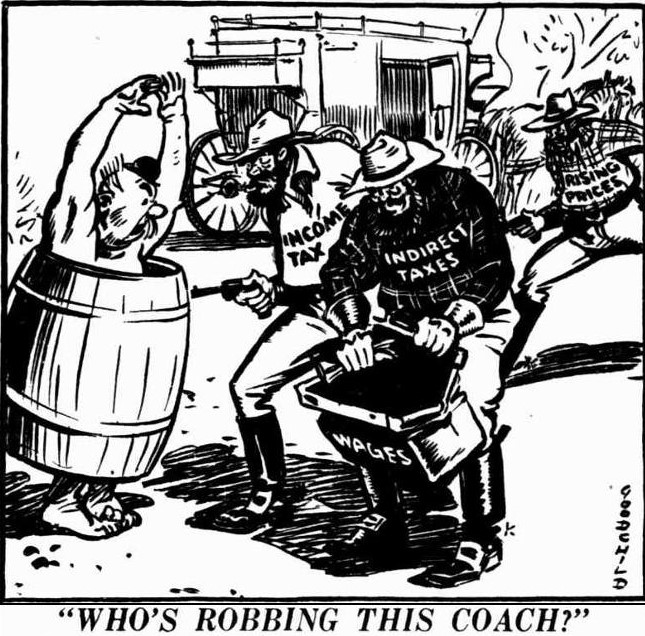
USA and Australia respectively—from a joke about robbers threatening to kiss every woman on the train/coach: when a gentleman asks them not to, a lady protests ‘who’s robbing this train/coach?’
Read More1928—addressed to someone who looks glum—‘scone’ (originally Scots, early 16th century) denotes a light plain doughy cake
Read More
USA, 1830—used in association with ‘see’, ‘said the blind man’ puns on this verb’s primary meaning (‘to perceive with the eyes’) and secondary meanings (‘to understand’, ‘to find out’, ‘to examine’)
Read More
a deliberate malapropism punning on ‘I resent that remark’—USA, 1940
Read More
writing is more effective than military power or violence—UK, 1832—often erroneously ascribed to E. Bulwer-Lytton in ‘Richelieu; or, The Conspiracy’ (1839)
Read Moreaddressed to a poor horseman—means ‘get out of the public view and hide in shame’—UK, 1842
Read More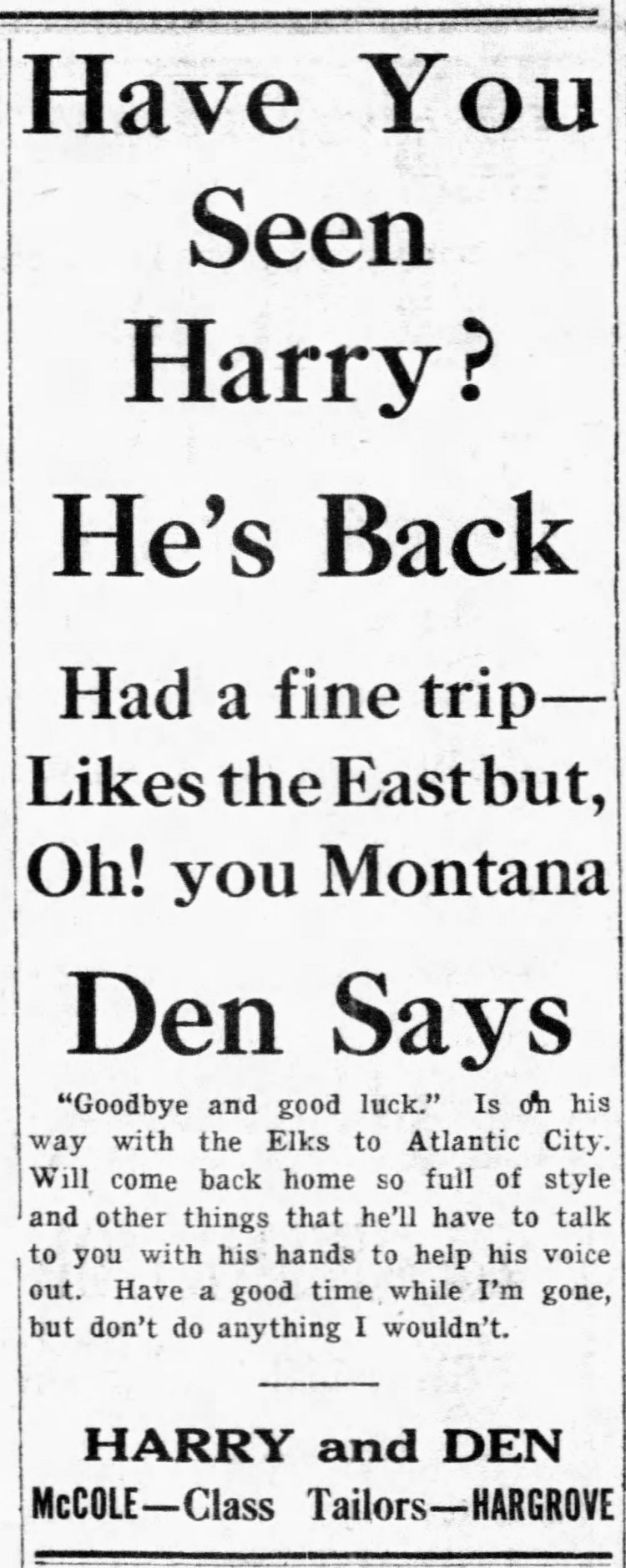
used upon parting, and often jocularly, this phrase means ‘behave yourself’—USA, 1911—had become hackneyed by 1918
Read More
a great commotion about a trivial matter—‘a storm in a teacup’: UK, 1775—‘une tempête dans un verre d’eau’: France, 1785
Read Morepersonifies the highest degree of disability or incompetence—Sydney, Australia, 1910s—variant, probably referring to a local individual, of the earlier synonymous phrase ‘blind man’
Read More word histories