‘La Stupenda’: meaning and origin

the nickname that the Venetian opera audience gave to Joan Sutherland when she sang Handel’s Alcina at the Fenice Theatre on 21 February 1960—Italian ‘è stupenda’ translates as ‘she is stupendous’
Read More
“ad fontes!”
the nickname that the Venetian opera audience gave to Joan Sutherland when she sang Handel’s Alcina at the Fenice Theatre on 21 February 1960—Italian ‘è stupenda’ translates as ‘she is stupendous’
Read More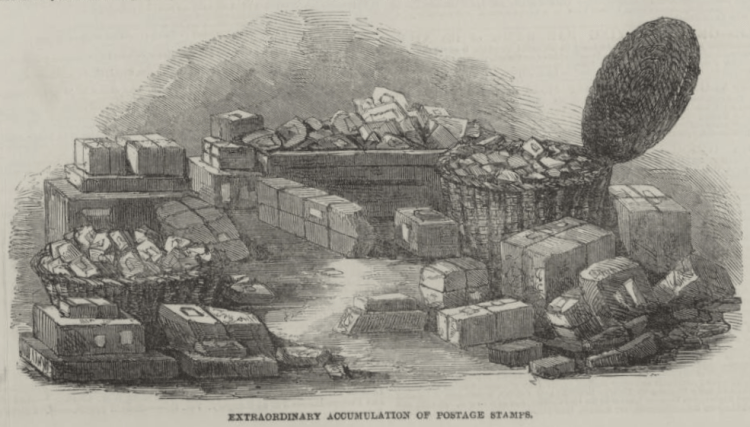
UK, 1883—The word ‘million’ in itself has something magic about it, and the belief exists that a special reward awaits the person who collects a million bus tickets, or a million used postage stamps, etc.
Read More
Somerset, England, 1931—‘punkie (lantern)’: a lantern made by setting a candle in a hollowed-out mangel-wurzel—‘punkie night’: a night, in late October, on which punkies are paraded—‘punkie’: perhaps an alteration of ‘pumpkin’
Read Morethe government or its policies viewed as overprotective or as interfering unduly with personal choice; a state characterised as having such a government—first coined in 1952 by U.S. journalist Dorothy Thompson—recoined in 1965 by British politician Iain Macleod
Read MoreAustralia—used to express unluckiness or unhappiness—first recorded in The Four-legged Lottery (1958), by Australian novelist Frank Hardy, who later often reused it
Read MoreIrish English, 1834—extremely cold, literally (i.e., with reference to low temperatures) and figuratively (i.e., with reference to lack of feeling, of emotion)
Read MoreUK 1945: ‘as lucky as the pox doctor’s clerk’: very lucky—UK 1954, ‘to look like a pox doctor’s clerk’, Australia 1957, ‘done up like a pox doctor’s clerk’: dressed nattily but in bad taste
Read MoreThis phrase means ‘utterly useless’. The earliest occurrences that I have found are British English (from 1981 onwards) and Australian English (from 1983 onwards).
Read MoreAustralia, 1967—Redfern: a train station positioned one stop before Sydney Central Station—British-English regional variations include, in Newcastle upon Tyne: ‘to get out at Gateshead’
Read Moretelevision programmes that are gratuitously shocking or sensational, or of poor quality—from their eliciting in the viewer a similar horrified fascination to that experienced by people watching scenes of cars crashing
Read More
