‘itchy feet’, ‘itching palm’: restless desires
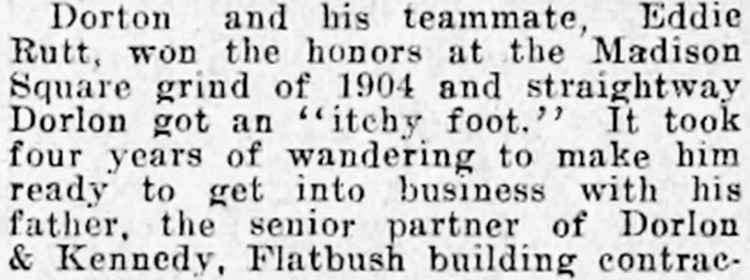
As qualifiers of nouns denoting bodily organs, ‘itchy’ and ‘itching’ denote a restless desire—‘itchy feet’, US, 1900s—‘itching palm’, Shakespeare, circa 1599
Read More
“ad fontes!”
As qualifiers of nouns denoting bodily organs, ‘itchy’ and ‘itching’ denote a restless desire—‘itchy feet’, US, 1900s—‘itching palm’, Shakespeare, circa 1599
Read More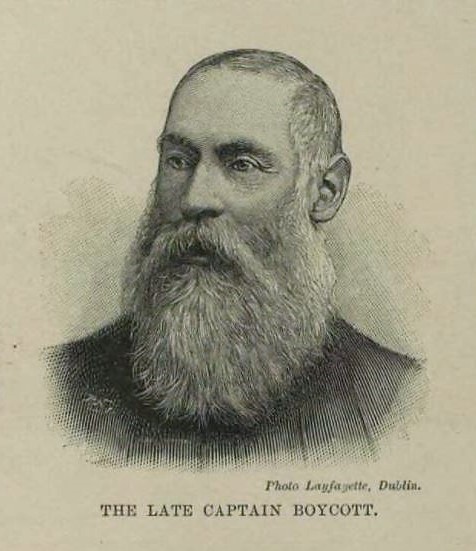
from the name of Captain Charles C. Boycott, land agent in Ireland, who was ostracised for refusing to reduce rents during the Land League agitation in 1880
Read More
from the image of breaking the frozen surface of a river in order to make a passage for boats – probably from Latin ‘scindere glaciem’, in Erasmus’s Adages
Read More
a threat within a community, nation, etc., as distinct from an external enemy—infamously used of British miners’ leaders by Prime Minister Margaret Thatcher in 1984
Read Moreone who changes their principles to suit the circumstances—from a vicar who was twice a Catholic and twice a Protestant from Henry VIII to Elizabeth I’s reigns
Read More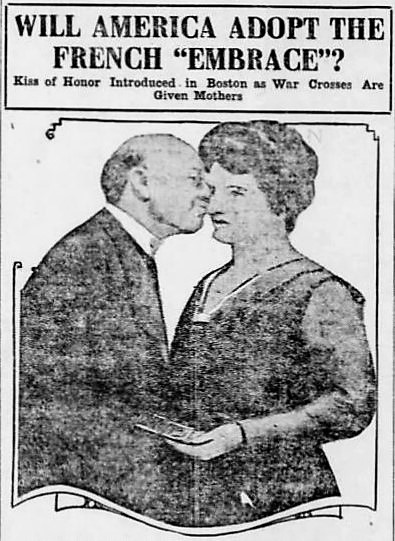
‘French kiss’—19th century: a kiss on both cheeks—early 20th century (USA): a kiss with contact between tongues
Read More
USA, early 19th century—‘small potatoes’: person or thing considered petty, unimportant, insignificant or worthless
Read More
Since WWI, ‘Franglais’ has been coined to denote: French spoken by an Anglophone, English spoken by a Francophone and French speech using English words.
Read Moremid-19th cent.—perhaps from a specific application of the general term of abuse ‘Frog’, aided by the shared initial consonant cluster in ‘French’ and ‘frog’
Read More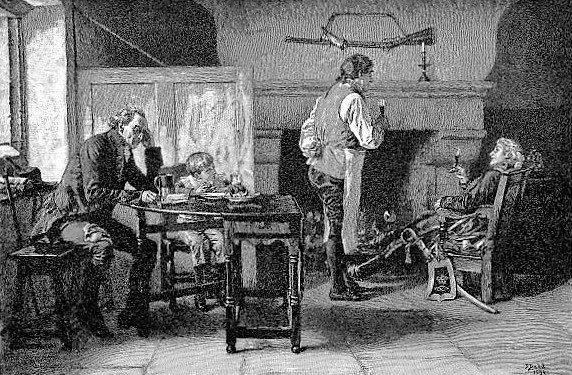
‘small beer’: ‘person(s) or matter(s) of little or no importance’ (first use by Shakespeare), from the literal sense ‘beer of a weak, poor or inferior quality’
Read More
