a Northern-English word: ‘mardy’
‘mardy’: ‘sulky’, ‘moody’—from ‘mard’, dialectal alteration of ‘marred’, meaning, of a child, ‘spoilt’, and the suffix ‘-y’, meaning ‘having the qualities of’
Read More
“ad fontes!”
‘mardy’: ‘sulky’, ‘moody’—from ‘mard’, dialectal alteration of ‘marred’, meaning, of a child, ‘spoilt’, and the suffix ‘-y’, meaning ‘having the qualities of’
Read More
original meaning of ‘kidnap’, late 17th century—to steal or carry off children or others in order to provide servants or labourers for the American plantations
Read More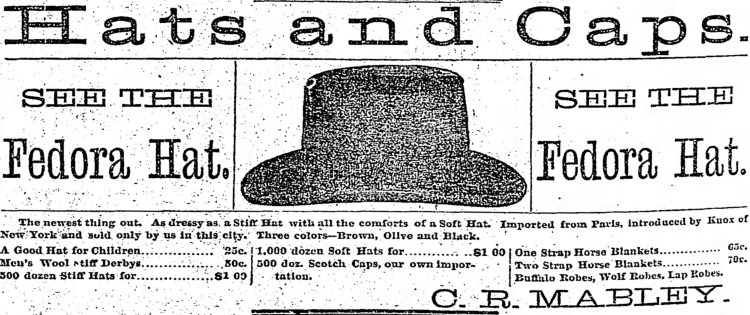
US, 1883—from the craze generated by ‘Fédora’, an 1882 drama by Victorien Sardou and the name of its heroine, played in early productions by Sarah Bernhardt
Read Moreto get credit or money by using a fraudulent financial instrument; to send an illicit or secret note; to find out in what direction affairs are tending
Read More
19th century, northern England—apparently a variant of ‘geck’, of Germanic origin, meaning ‘a fool’, ‘a dupe’, ‘an oaf’
Read More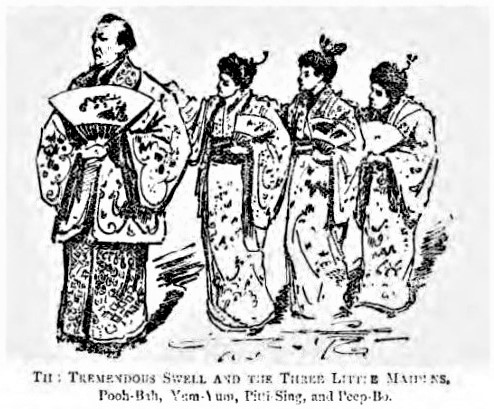
from the name of a character who holds many high offices in ‘The Mikado’ (1885), an operetta by Gilbert and Sullivan
Read Morefrom the gospel of Matthew, 18:6: If someone causes a child to sin, it would be better for them to have a millstone hung around their neck and be drowned in the sea.
Read More
obsession—from Dickens’s ‘David Copperfield’, in which Mr. Dick is unable to write his memoirs because of the intrusive image of King Charles the First’s head
Read Moresomething in its entirety—UK, 2nd half of 20th cent.—the sense of striptease performance involving full nudity was popularised by the 1997 film The Full Monty.
Read More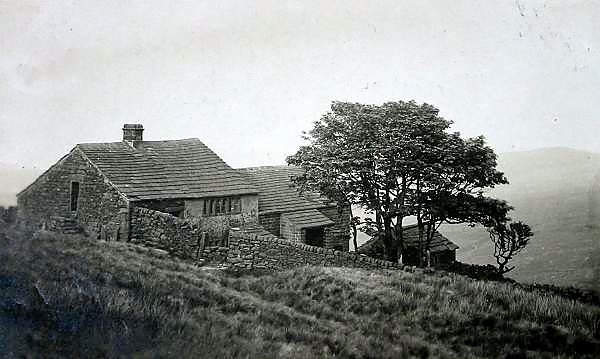
In the name of the farmhouse, ‘wuthering’ is a “provincial adjective, descriptive of the atmospheric tumult to which its station is exposed in stormy weather.”
Read More word histories