How hornbooks are at the origin of ‘criss-cross’.

phonetic reduction of ‘Christ’s cross’; first element phonetically reduced as in ‘Christmas’; hence ‘criss-cross’ treated as a reduplication of ‘cross’
Read More
“ad fontes!”
phonetic reduction of ‘Christ’s cross’; first element phonetically reduced as in ‘Christmas’; hence ‘criss-cross’ treated as a reduplication of ‘cross’
Read Morefrom the legal formula ‘part and parcel’, in which both nouns meant ‘an integral portion of something’, the second noun merely reinforcing the first
Read More
first recorded in ‘Hudibras’ (1664), by Samuel Butler—from the first half of ‘Proverbs’, 13:24: “Whoever spares the rod hates their children.”
Read More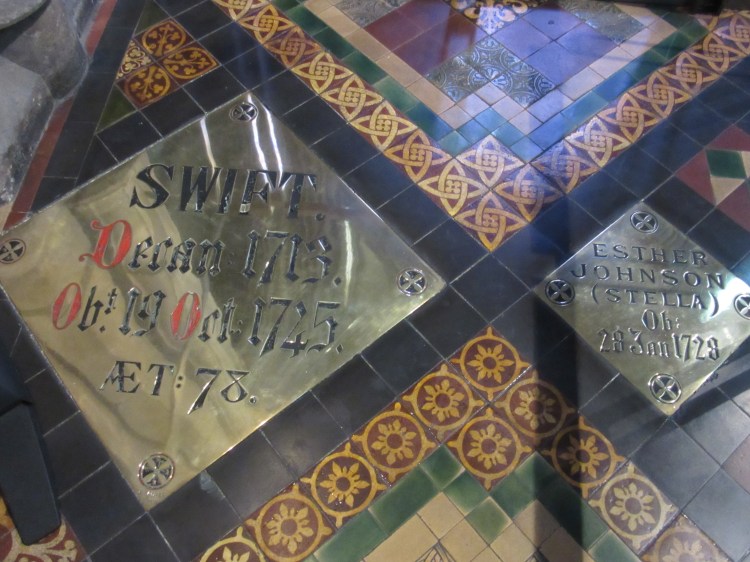
1711 in a letter by Jonathan Swift—perhaps from Ecclesiastes, 10:20: “a bird of the air shall carry the voice; and that which hath wings, shall tell the matter”
Read More
UK—1903: ‘the man on the Clapham omnibus’, the average or typical person—1844: ‘the Clapham Sect’, a group of social reformers based at Clapham, London
Read More
mid-16th century—meaning: to wait for the death of a person with the expectancy of succeeding to his possessions or office; implies a futile wait
Read Moreremarks on English phrases (‘to rain cats and dogs’, ‘tit for tat’, ‘the devil to pay’, etc.) – from Notes and Queries (London), 9th November 1861
Read More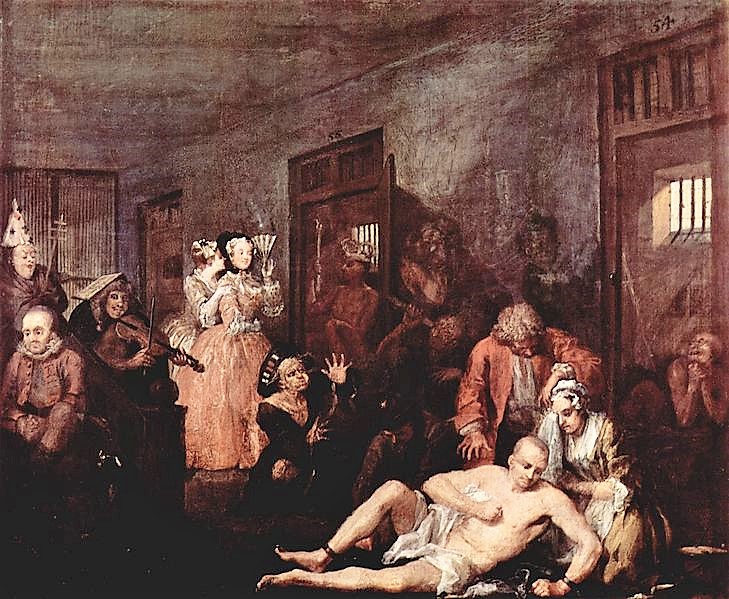
late Middle English—early form of ‘Bethlehem’, originally referring to the Hospital of St. Mary of Bethlehem in London, used as an institution for the insane
Read More
early 17th century, with ‘the Dead Sea’ and ‘the deep sea’—originated in the image of a choice between damnation (‘the Devil’) and drowning (‘the sea’)
Read Morerefers to a person making a pact with the Devil: the heavy price has to be paid in the end—unrelated to the nautical phrase ‘the devil to pay and no pitch hot’
Read More
