origin of ‘cloud-cuckoo-land’

a realm of fantasy, dreams or impractical notions—1856 as ‘cuckoo-cloud-land’—from the name of the city built by the birds in ‘The Birds’, by Aristophanes
Read More
“ad fontes!”
a realm of fantasy, dreams or impractical notions—1856 as ‘cuckoo-cloud-land’—from the name of the city built by the birds in ‘The Birds’, by Aristophanes
Read More
in full ‘Quasimodo Sunday’: the Sunday after Easter—from the opening words of the Latin introit for that day, ‘quasimodo geniti infantes’, ‘as newborn babies’
Read More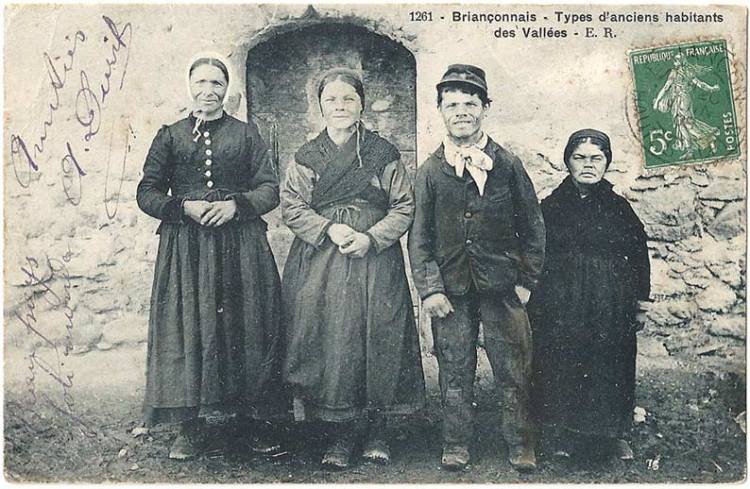
Swiss-French ‘crestin’ (= ‘Christian’): in certain valleys of the Alps, a mentally deficient, deformed person suffering from a congenital thyroid deficiency
Read MoreThe ladybird was so named on account of its seven spots, which were popularly believed to symbolise the seven sorrows of the Virgin Mary.
Read More
The word ‘folklore’ was coined in 1846 by the British author William John Thoms, inspired by Jacob and Wilhelm Grimm’s anthology of German fairy tales.
Read Morefrom Job, 19:20—this verse, and particularly the Hebrew verb form immediately preceding ‘bĕʿōr šinnāi’ (‘with the skin of my teeth’), are of uncertain meaning
Read Moreearly 19th century—probably a jocular application of ‘forty’ as an indefinite term for a large number—‘wink’ in the sense of ‘a closing of the eyes for sleep’
Read More‘every tiny detail’—from Matthew, 5:18—‘jot’, from ‘iōta’, the smallest letter of the Greek alphabet—‘tittle’, a small mark used in writing or printing
Read More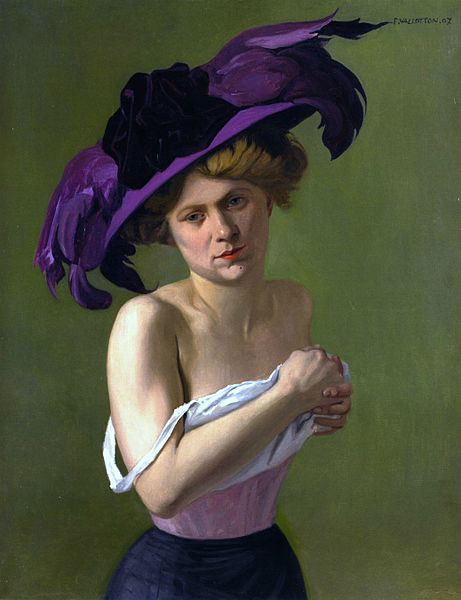
coalesced forms of the obsolete phrasal verbs ‘to do on’ and ‘to do off’, meaning respectively ‘to put on’ and ‘to take off’ (an item of clothing)
Read More
from ‘at do’ (meaning ‘to do’)—construction ‘to have’ + pronominal object (e.g. ‘much’) + ‘at do’ led to ‘ado’ reinterpreted as a noun qualified by an adjective
Read More
