UK, 1831—to startle or upset a sedate or conventionally-minded community—most probably from the following lines in The Tragedy of Coriolanus (circa 1607), by William Shakespeare: “like an eagle in a dove-cote, I | Flutter’d your Volscians in Corioli”
first recorded in the United Kingdom in 1914, with reference to the civilizational implication of the German invasion of Belgium at the beginning of World War One; therefore, not first used by Orson Welles in Citizen Kane (1941)
UK, 1962—the time after which programmes unsuitable for children are broadcast on television—from the image of a dividing line between two different sorts of programmes
UK, 1797—strength or confidence gained from drinking alcohol—alludes to the drinking habits ascribed to the Dutch—one of the phrases in which ‘Dutch’ is used derogatorily, largely because of the enmity between the English and the Dutch in the 17th and 18th centuries
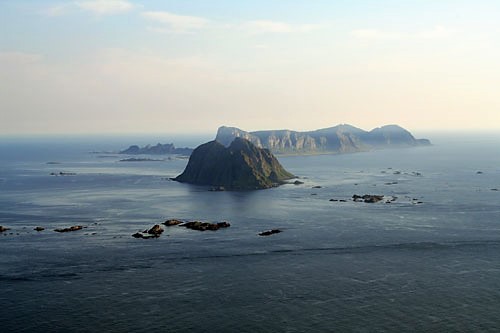
late 16th century—from early modern Dutch ‘maelstrom’ (now ‘maalstroom’)—originally a proper name designating a powerful whirlpool in the Arctic Ocean, off the west coast of Norway, which was formerly supposed to suck in and destroy all vessels within a wide radius
USA, 1946—‘to have, or to get, egg on one’s face’: to be, or to get, embarrassed or humiliated by the turn of events—refers either to having eggs thrown at one’s face or to yolk stains left on the face after the careless eating of a soft-boiled egg
U.S., second half 19th century—from the story (1850) of a man who, having declared that he could eat anything, was challenged to eat crow; the crow he had to eat was seasoned with snuff, so that the man gave up after one bite, saying “I can eat crow, but I’ll be darned if I hanker after it.”
USA, 1939—‘there is’, or ‘ain’t’, ‘no such thing as a free lunch’: everything inevitably involves a cost of some kind—literal meaning of ‘free lunch’ (first half of the 19th century): a lunch provided free of charge in a bar, saloon, etc., as a means of attracting customers
1763 in French, 1798 in English—from the name of Étienne de Silhouette (1709-67), Controller-General of Finances in 1759—perhaps because he might have invented the portrait in profile obtained by tracing the outline of a head or figure by means of its shadow
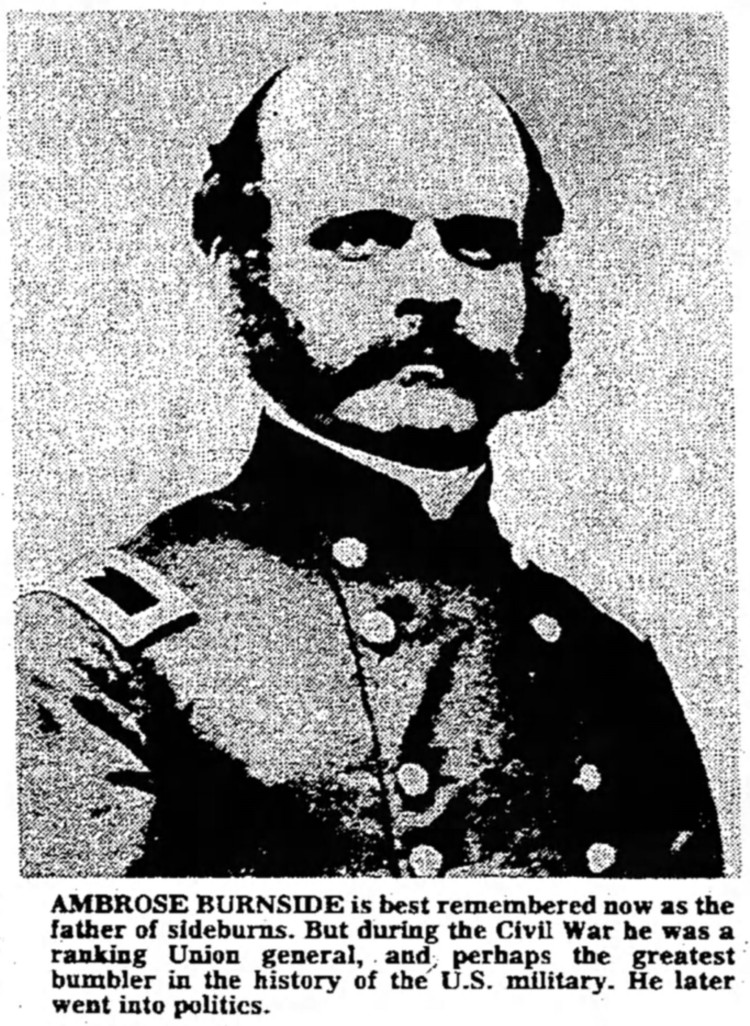
After Ambrose Burnside, Union general in the U.S. Civil War, ‘burnsides’ (1866) denotes thick side whiskers worn with a moustache and clean-shaven chin; on the pattern of ‘side whiskers’, it was altered to ‘sideburns’ (1875), itself altered to ‘sideboards’ (1882).