‘Hands down’ originated in horse racing.
19th century—The adverb ‘hands down’ originated in horse racing: a jockey who is winning comfortably is able to lower his hands and relax his hold on the reins.
Read More
“ad fontes!”
19th century—The adverb ‘hands down’ originated in horse racing: a jockey who is winning comfortably is able to lower his hands and relax his hold on the reins.
Read Morefrom Latin ‘Pūnica fidēs’, literally ‘Phoenician faith’, meaning ‘perfidy’, with reference to Carthage, the enemy of Rome over several centuries
Read More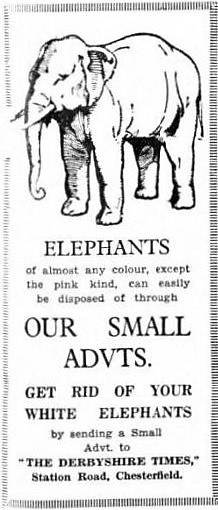
refers to the rarity of white elephants and to the story that the king of Pegu waged war on the king of Siam, who had refused to sell him one
Read More
UK, 1972—‘XXXX’: a euphemistic substitute for a four-letter swear word, usually ‘fuck’—it did not originally refer to the Australian lager Castlemaine XXXX
Read More
from ‘Full Fathom Five’, Ariel’s song to Ferdinand in ‘The Tempest’, by Shakespeare, where ‘sea change’ denotes a change brought about by the action of the sea
Read More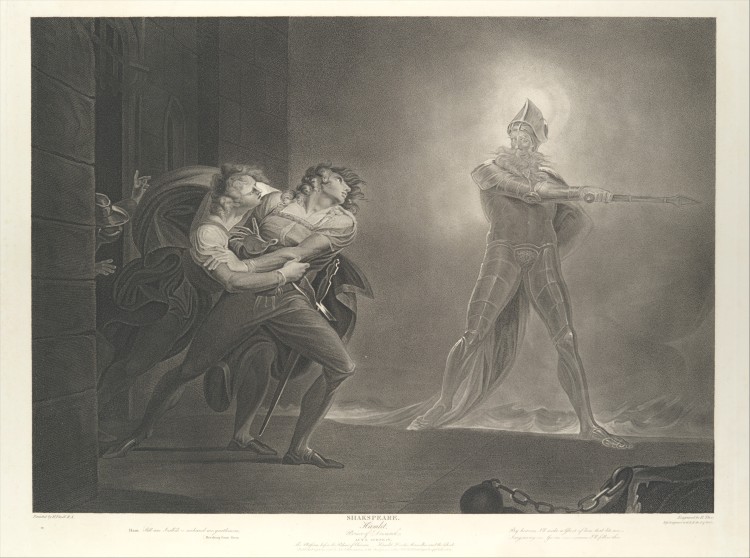
from the observation made by the soldier Marcellus in ‘Hamlet’, by Shakespeare, when the eponymous character is following the ghost of his father
Read Morefrom ‘Don’t Bogart That Joint’ (1968), song by Fraternity of Man—alludes to the way Humphrey Bogart held a cigarette for long dialogues without smoking it
Read More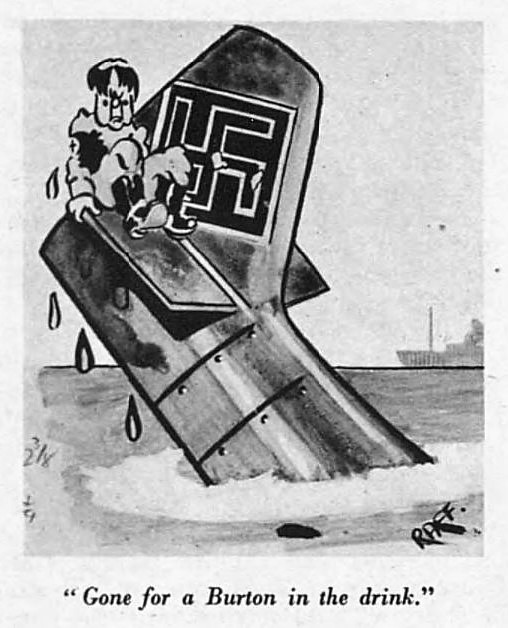
to meet with disaster; to be ruined, destroyed or killed—UK, 1941, RAF slang: (of an airman) to be killed—perhaps from ‘to go for a drink (of Burton ale)’
Read More
a realm of fantasy, dreams or impractical notions—1856 as ‘cuckoo-cloud-land’—from the name of the city built by the birds in ‘The Birds’, by Aristophanes
Read More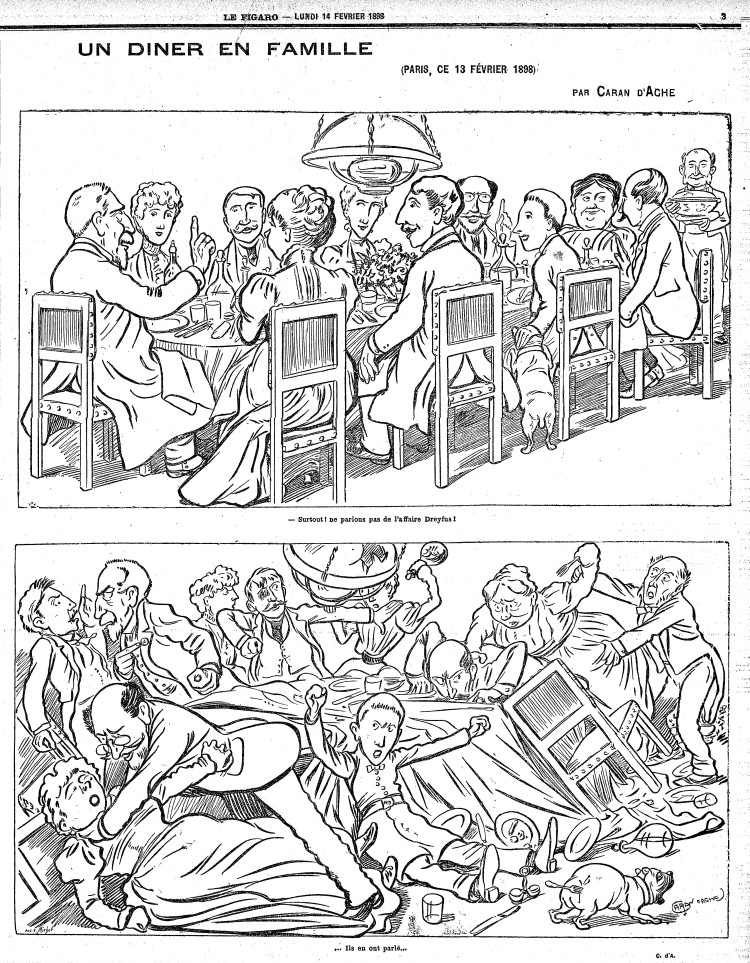
1899—public accusation in response to a perceived injustice—from the title of an open letter (1898) by Émile Zola, condemning the imprisonment of Alfred Dreyfus
Read More word histories