origin of ‘beard the lion in his den’ (confront someone on their own ground)
Scotland, 1749—from the idea of daring to grab a lion’s “beard” and figurative uses of ‘beard’: (verb) ‘confront’ – (noun) ‘face’
Read More
“ad fontes!”
Scotland, 1749—from the idea of daring to grab a lion’s “beard” and figurative uses of ‘beard’: (verb) ‘confront’ – (noun) ‘face’
Read More
Fundamentally, I object to the will of any group to artificially modify language in order to impose their world view.
Read More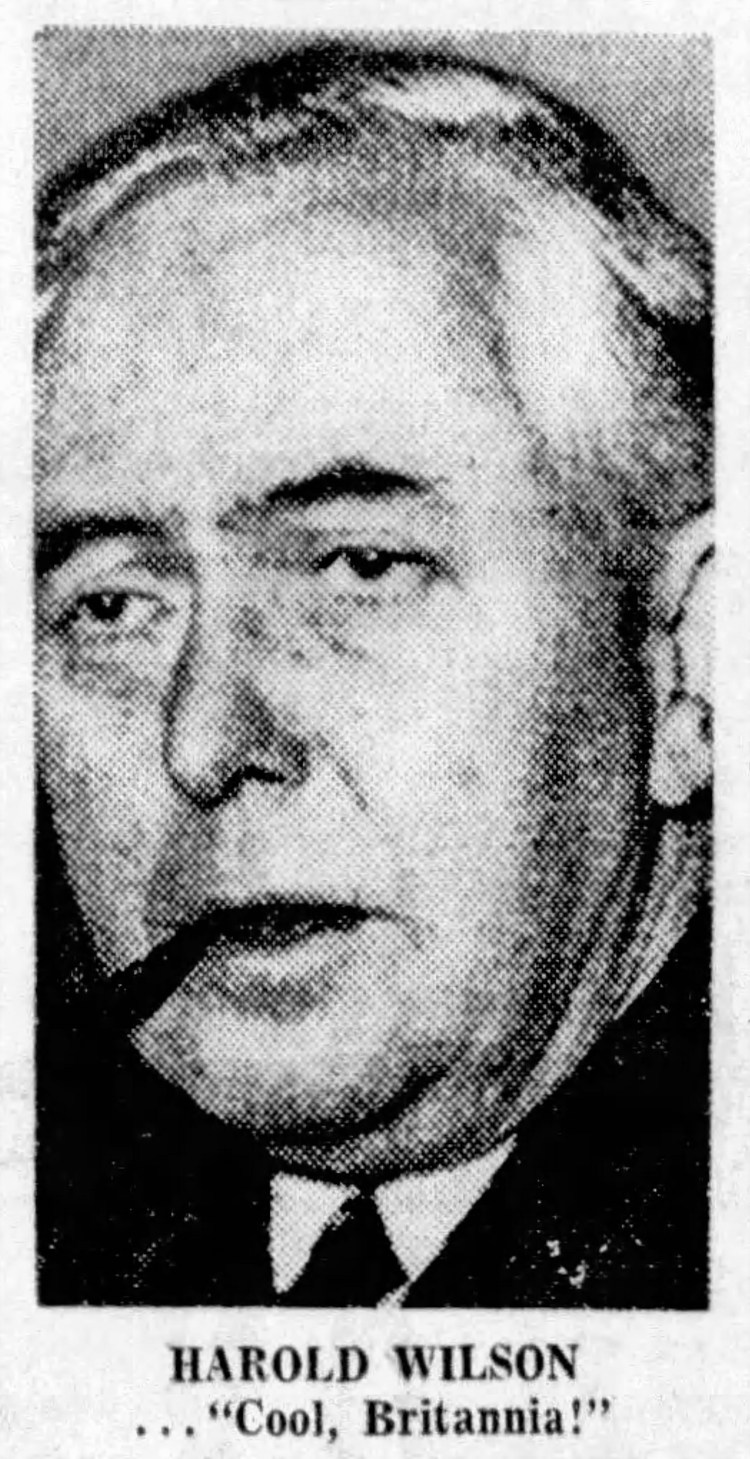
UK and Canada, from 1903 onwards—punningly alludes to ‘Rule Britannia’ (1740), the title of a popular patriotic song
Read MoreUSA, 1822—extremely pleased, delighted—alludes to the belief that a dog wags its tail as a sign of pleasure or happiness
Read More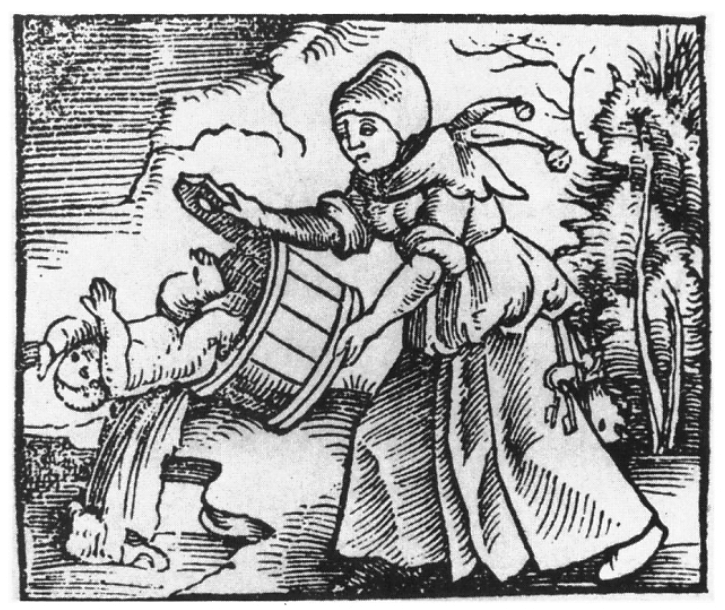
mid-19th century—loan translation from German ‘das Kind mit dem Bade ausschütten’ (to empty out the child with the bath), early 16th century
Read MoreUK, 1872—alludes to a stranger’s accidental (as opposed to a parent’s legal) responsibility for an infant
Read More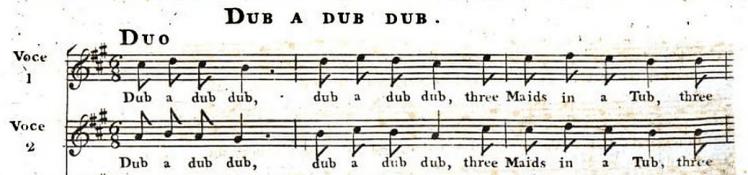
UK, 1848—people of various professions; people of all kinds—alludes to ‘Rub a dub dub’, a nursery rhyme of the late 18th century
Read More
UK, 1816—successful person attracting envious hostility—from Tarquin’s decapitation of the tallest poppies to indicate the fate of enemies
Read More1961—to be all talk and no action—originally without the negative determiner ‘no’—refers to verbal and sexual arrogance
Read More
1956—learning a job by observing how an experienced worker does it—‘Nellie’ is simply a generic name for a trained worker.
Read More
