Why ‘gerrymander’ was originally the name of a monstrous salamander.
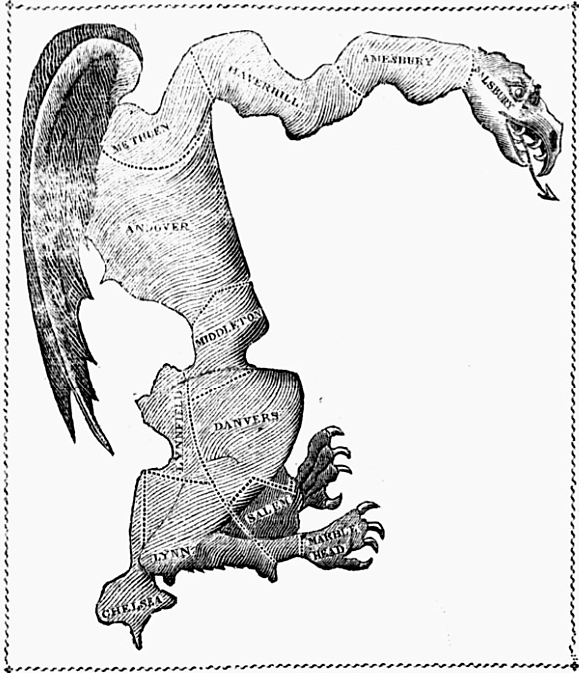
the drawing of the ‘Gerry-mander’ and the accompanying text—as published in the Boston Gazette (Boston, Massachusetts) of 26 March 1812
Read More
“ad fontes!”
the drawing of the ‘Gerry-mander’ and the accompanying text—as published in the Boston Gazette (Boston, Massachusetts) of 26 March 1812
Read Moreisolated use in The Fancies, Chast and Noble (1638), by John Ford—1795 as ‘to ride bodkin’—seems to allude to the thinness of the tools that have that name
Read MoreUK, 1837—something intended, but failing, to impress—if damp, a squib [a small firework] will fail to work
Read MoreUSA, 1960s—those who already have will receive more—refers to gospel of Matthew—coined by sociologist Robert King Merton
Read More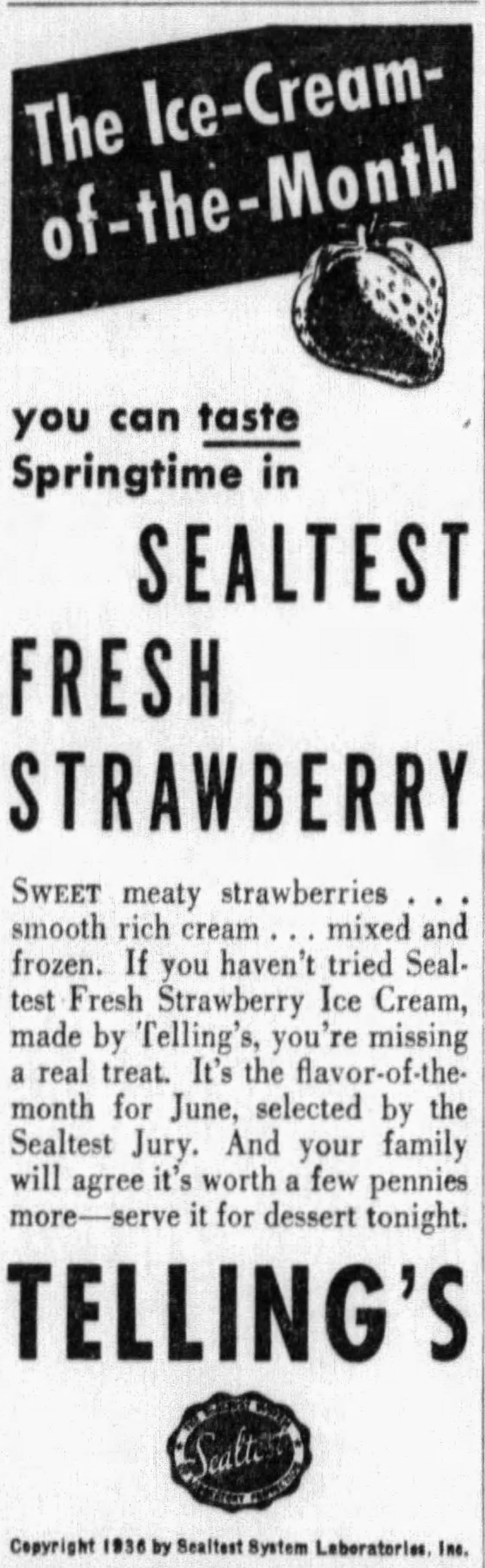
UK, 1967—person or thing that enjoys a short period of great popularity—the particular ice-cream flavour promoted during a month/week
Read MoreBritish origin—popularised by Harold Wilson in 1956, but first recorded in The Observer (London) of 30 October 1955
Read More
to be sensible and intelligent—1784 in a US publication, but attributed to “a gentleman from abroad”—‘blue’, meaningless fanciful intensive, sometimes before ‘beans’
Read MoreUSA, 1815—from the practice of putting one’s ear to the ground in order to detect the vibration of sounds in the distance before they can actually be heard
Read More
the city or university of Oxford; the sheltered condition of unworldly academics—from the poem ‘Thyrsis’ (1866), by Matthew Arnold
Read More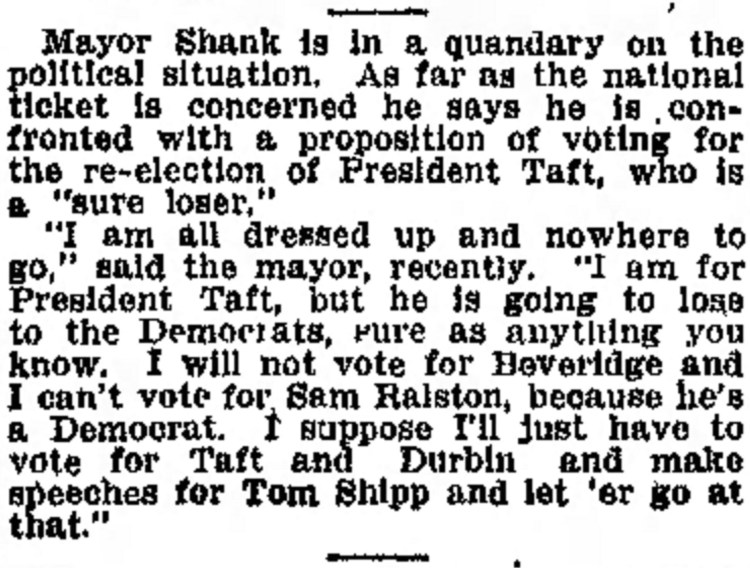
USA, 1910—originated as a line in the musical comedy The Girl of My Dreams—allegedly coined by music-hall artist Nita Allen
Read More
