history of the phrase ‘How many divisions has the Pope?’
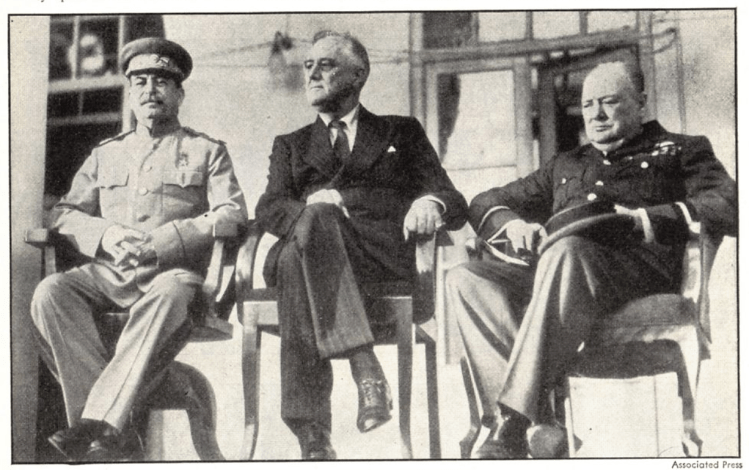
used to pose the dilemma between material power and moral strength, and seemingly to dismiss the latter—from a question allegedly posed by Joseph Stalin (USA 1943)
Read More
“ad fontes!”
used to pose the dilemma between material power and moral strength, and seemingly to dismiss the latter—from a question allegedly posed by Joseph Stalin (USA 1943)
Read More
1734: a card game in which one player tries to win all the cards of the other—1802: refers to an advantage gained by one side at the expense of the other
Read MoreUSA—derogatory appellation for a group of persons—1950 Los Angeles’s gangs of hoodlums—1955 self-designation of a group of Hollywood celebrities
Read More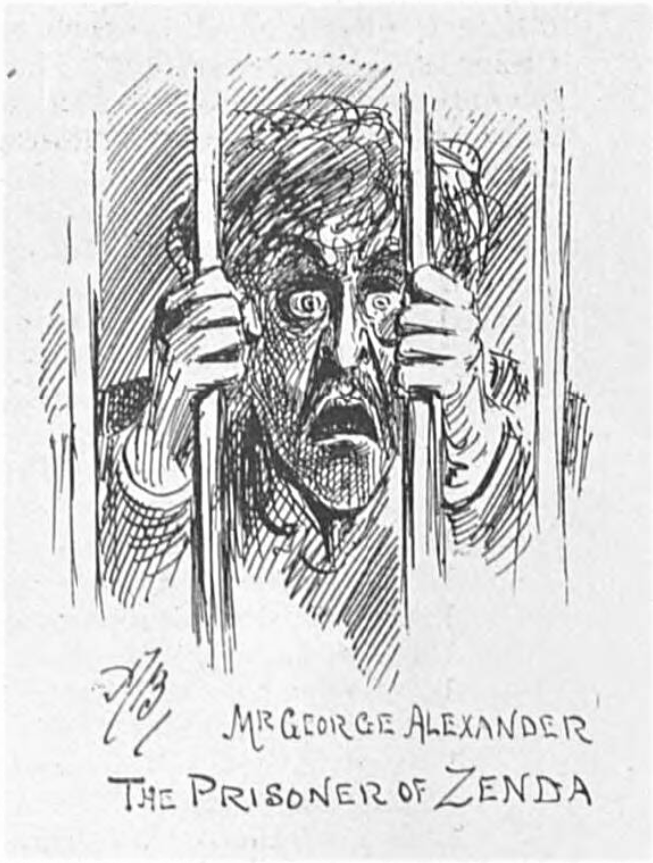
from The Prisoner of Zenda (1894), set in the fictional kingdom of Ruritania—UK, 1896: romantic adventure and intrigue; any imaginary or hypothetical country
Read More
Washington’s strategy was similar to that of Fabius Cunctator, who defeated Hannibal by avoiding decisive contests—the Fabian Society advocates gradual reforms
Read More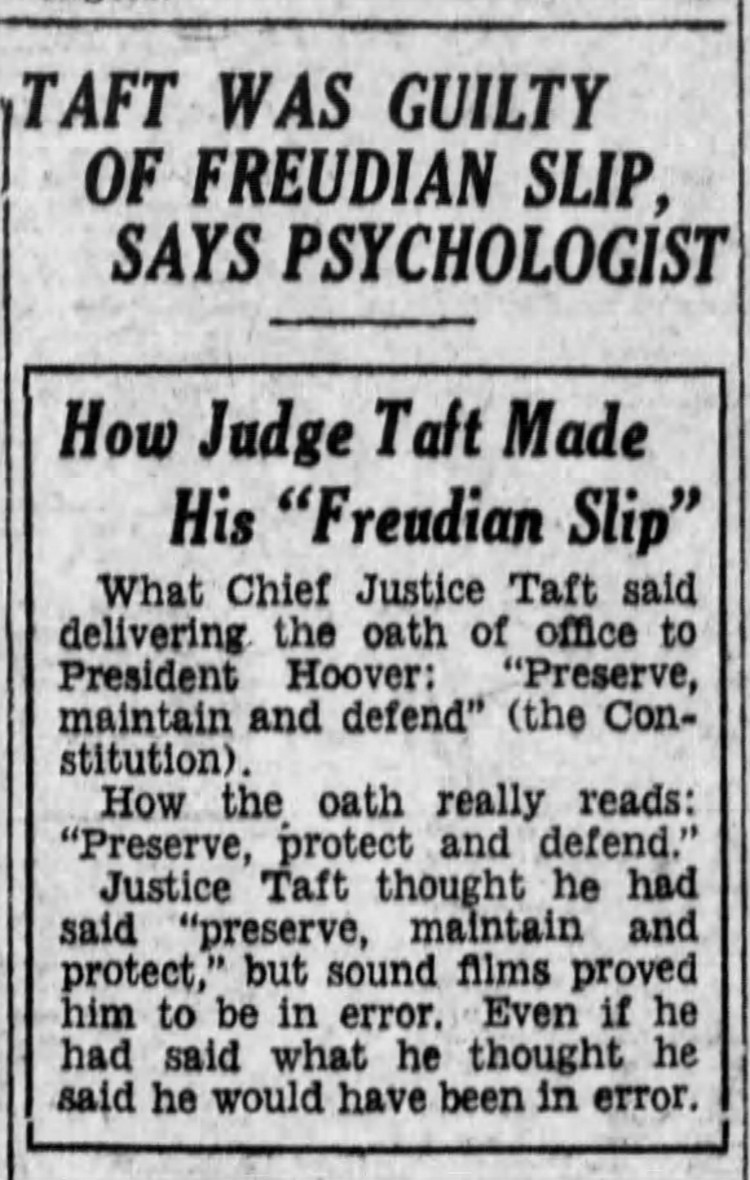
USA, 1927—a slip of the tongue by which the speaker reveals an unconscious thought—named after Austrian neurologist and psychotherapist Sigmund Freud (1856-1939)
Read More
USA—from 1848 onwards in contrast to ‘all men are equal’—now often alludes to ‘but some animals are more equal than others’ in Orwell’s Animal Farm (1945)
Read More1924—to unfairly alter the terms of a procedure during its course—also (humorous): the only way for an unsuccessful soccer team to score a goal
Read MoreUSA, 1895—a sense of pervasive and shared disappointment—alludes to the defeat of the baseball team of Mudville, a fictional town in E. L. Thayer’s 1888 poem ‘Casey at the Bat’
Read More
USA, 1884—a person whose lack of courage is as real as it appears to be—jocular variant of ‘a wolf in sheep’s clothing’—often misattributed to Winston Churchill
Read More word histories