the anti-nuclear phrase ‘one flash and you’re ash’
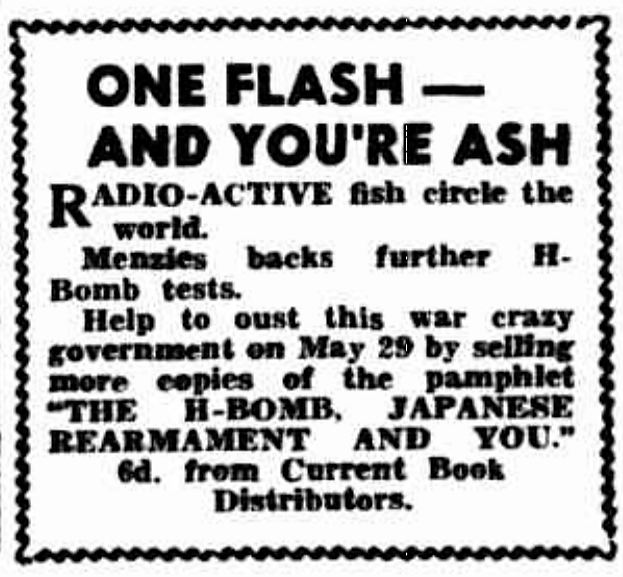
Australia, 1953—slogan used by opponents of nuclear weapons—also used in New Zealand
Read More
“ad fontes!”
Australia, 1953—slogan used by opponents of nuclear weapons—also used in New Zealand
Read More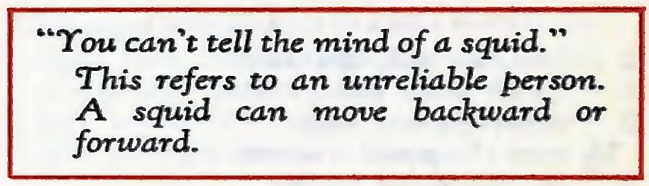
Newfoundland, 1958—used of someone or something that is unreliable—refers to the fact that a squid moves backwards and forwards
Read More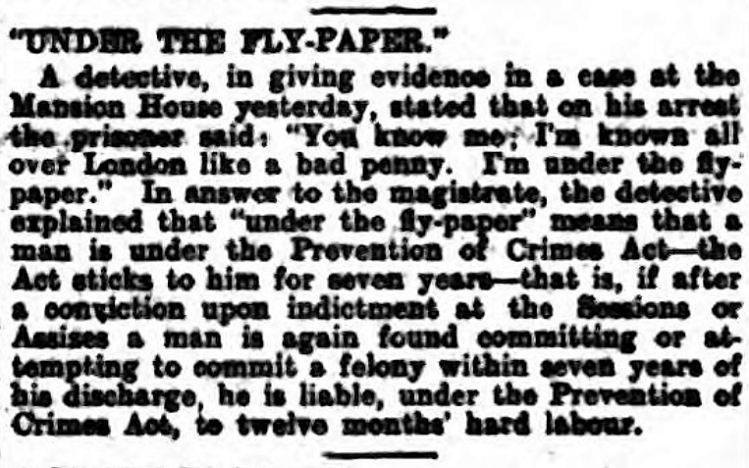
UK slang, 1906—‘Flypaper Act’: the Prevention of Crimes Act—‘to be under, or on, the flypaper’: to be subject to the Prevention of Crimes Act
Read More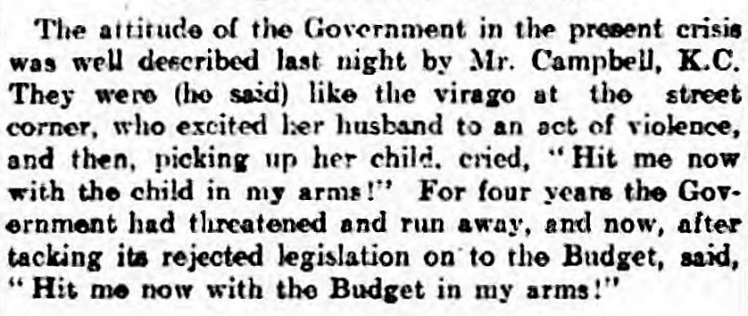
Irish-English phrase—first recorded in 1892—used to express pretended fear of, and/or provocation to, a physical attack
Read More
USA, 1919—‘spare no expense’—also ‘go all out for it’, ‘hand victory on a platter’, ‘allow yourself more of what you want’ (South Africa)
Read More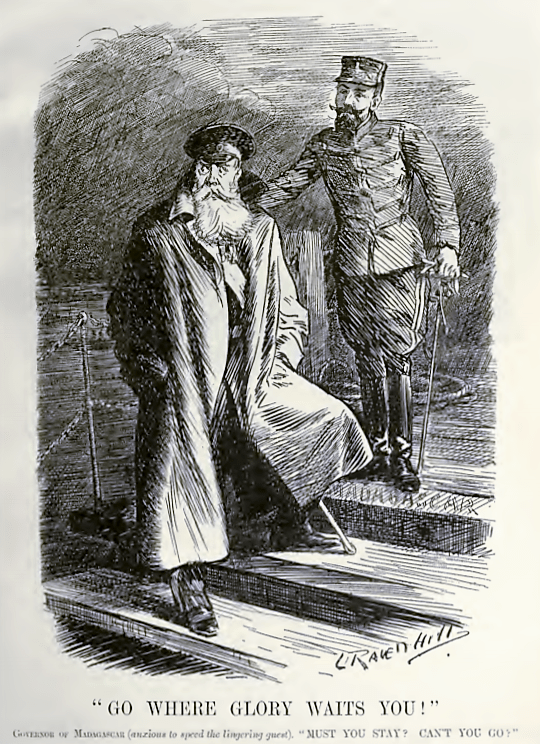
UK, 1897—alteration of ‘must you go? can’t you stay?’ in Collections and Recollections, by G. W. E. Russell—originally used in reference to guests’ departure
Read More
1) a seemingly devout or respectable person who lacks virtue—2) (with a pun on ‘holey’, i.e., full of holes) jocularly applied to holey things such as clothes
Read MoreUK, 1825—the Scots, allegedly verminous, were said to rub themselves against posts erected by the Duke of Argyll and to bless the Duke when doing so
Read Moremeaning: ‘for a very long time’—UK, 1944—with a pun on ‘Pilate’, originated in the British Royal Air Force during the Second World War
Read More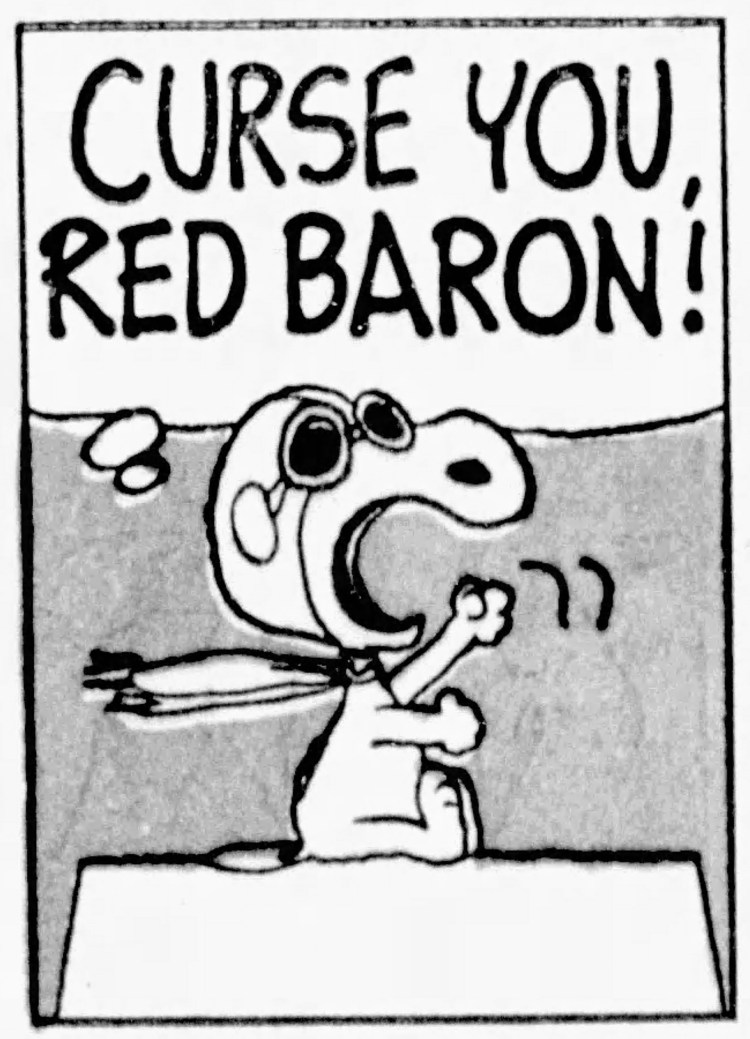
colourful way of railing at someone—USA, 1967—from Schulz’s comic strip Peanuts: Snoopy as a WW1 fighter pilot falls victim to German ace Manfred von Richthofen
Read More
