the affected dandyism of the writers, artists, etc., associated with the aesthetic movement, which advocated a doctrine of ‘art for art’s sake’—UK, 1879—coined by George Du Maurier in cartoons published in Punch
the political, military or economical threat regarded as being posed by certain peoples of South-East and East Asia, especially the Chinese and the Japanese—UK, 1895—loan translation from French ‘péril jaune’
meaning: a person cannot be expected to behave in a manner that is not in their character—numerous variants—first recorded in 1731 as ‘If we petition a Hog, what can we expect but a grunt’
(humorous and frequently ironic) determinedly or stubbornly independent—USA, 1841—apparently refers to the extreme helplessness of a hog (i.e., a pig) on the ice
self-righteously or sanctimoniously virtuous, or professing to be so—UK, 1834—alludes to the Book of Isaiah, 65:5: “Stand by thyself, come not near to me; for I am holier than thou.”
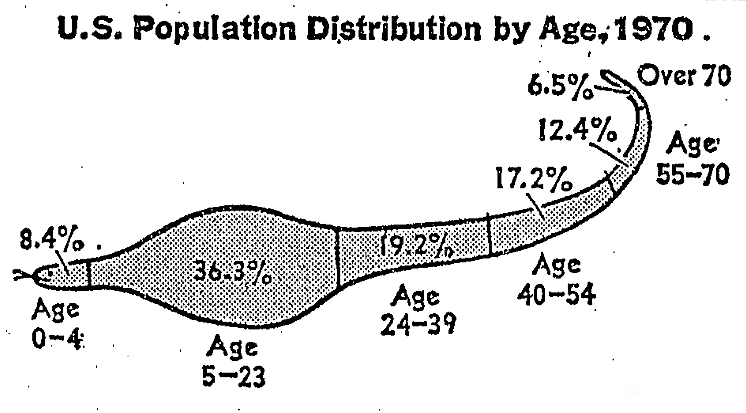
Canada, 1970—the people who were born during the ‘baby boom’ of the years immediately following WWII, considered as a demographic bulge—any short-term increase or notably large group
a reader of, or a writer in, The Guardian, seen as being typically left-wing, liberal and politically correct—UK, 1997—The Guardian is a centre-left newspaper published in London and Manchester, England
soldiers, especially low-ranking recruits, collectively regarded as expendable in war—UK, 1740—coined by William Shakespeare in Henry IV, Part 1 (1598)
soldiers regarded simply as material to be expended in war—‘cannon fodder’ (1847), said to have been coined after German ‘Kanonenfutter’—French ‘chair à canon’ (1814), first used in reference to Napoléon Bonaparte


 word histories