USA, 1927: a minority group regarded as eccentric, extremist or fanatical, or simply stupid—but originally, UK, 1873: a woman or girl’s hairstyle in which the front is cut straight and square across the forehead
U.S. slang, 1935—a photograph of a person’s face, especially in police or other official records—from ‘mug’ (a person’s face) and ‘shot’ (a single photographic exposure)
characterises a person who has an insatiable appetite for something—especially in ‘tiger for work’ (Australia, 1857) and ‘tiger for punishment’ (New Zealand, 1911)
Australia, 1978—used of a desirable state of political stability—alludes to a remark made by Malcolm Fraser, Leader of the Liberal Party, during the campaign for the 1975 Australian federal election
to become very agitated or angry, especially without warning or adequate reason—USA, 1816—from the image of the head of an axe or other tool becoming detached from its handle
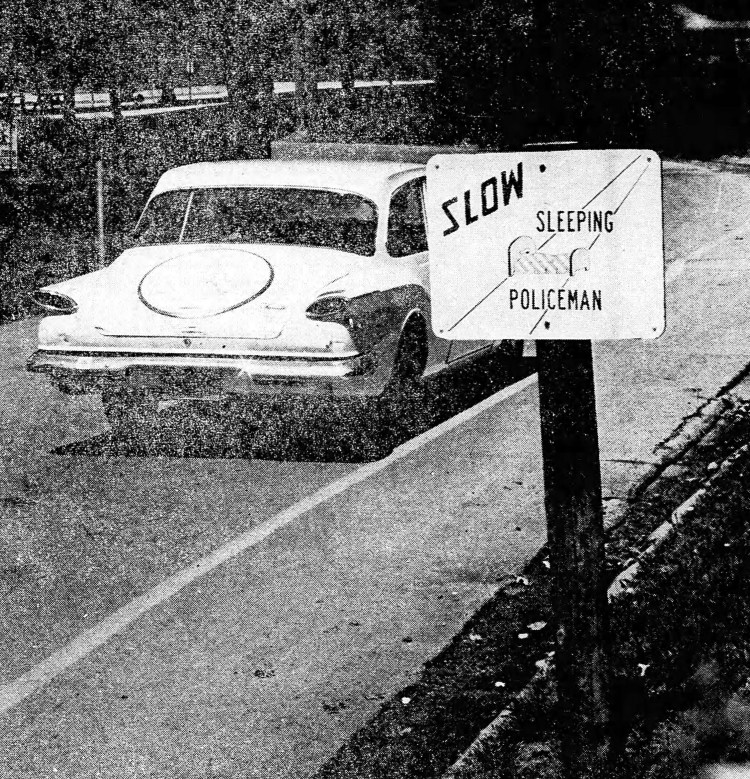
a raised band across a road, designed to make motorists reduce their speed—1961—based on the image of a policeman lying asleep in the middle of a road—in early use often with reference to Jamaica
‘to snatch victory from the jaws of defeat’: to win a battle, contest, etc., when defeat seemed inevitable—‘to snatch defeat from the jaws of victory’: to be defeated in a battle, contest, etc., when victory seemed inevitable