‘nom de disc’: meaning and origin
an assumed name under which a person records a disc—UK, 1931—coined on the pattern of phrases such as ‘nom de théâtre’ and ‘nom de plume’
Read More
“ad fontes!”
an assumed name under which a person records a disc—UK, 1931—coined on the pattern of phrases such as ‘nom de théâtre’ and ‘nom de plume’
Read More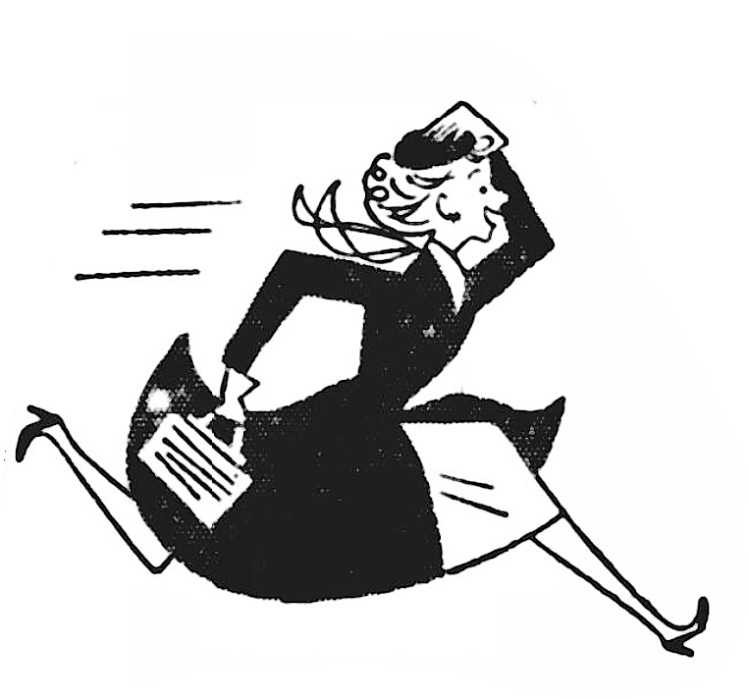
from the image of a speeding explosive projectile—primary meaning (of a motorcar, an aircraft, a motorcycle, an animal, a person): to move very fast—later (also ‘to go down like a bomb’ and ‘to go down a bomb’): to be very successful or popular
Read Morea lively but ineffectual young upper-class man—UK, 1959—apparently coined in the 1950s by the British jazz manager James Godbolt after ‘Hoorah Henry’, coined in 1936 by the U.S. author Alfred Damon Runyon
Read MoreAustralia—also ‘to bang like a shithouse door’—used of an exceptional sexual partner—plays on two meanings of the verb ‘bang’: ‘to make a loud noise’ and ‘to have sexual intercourse’
Read More
UK, 1989—refers to Manchester, in north-western England, as a centre of popular music and club subculture in Britain in the late 1980s and early 1990s—blend of ‘mad’ and ‘Manchester’
Read MoreUSA, 1982—a catchy song or melody that keeps repeating in one’s mind, especially to the point of irritation—loan translation from German ‘Ohrwurm’—original meaning (1598): an earwig
Read MoreUSA, 1901—wonderfully stylish, elegant or fashionable—a blend of ‘swell’ and ‘elegant’—popularised by its use in the song Well, Did You Evah!, interpreted by Bing Crosby and Frank Sinatra in the 1956 film High Society
Read More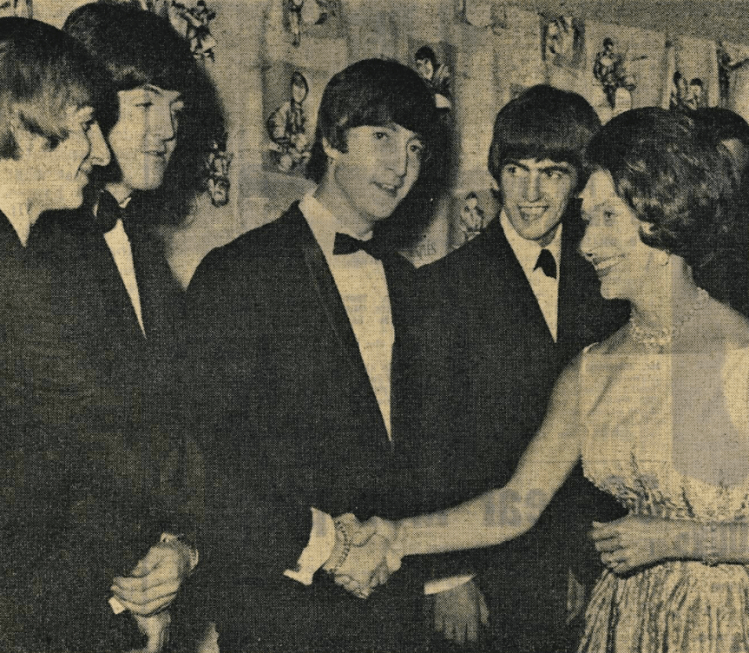
UK—a general term of disapproval, meaning ‘unpleasant’, ‘dirty’, ‘nasty’, ‘ugly’, etc.—shortened form of ‘grotesque’—first recorded in (and popularised by) A Hard Day’s Night (1964), a musical comedy film starring the Beatles
Read Morea small component of a much larger structure, system or process; an insignificant individual within a large population or community—commonly associated with ‘Another Brick in the Wall’, the title of a three-part composition by the British band Pink Floyd in their 1979 rock opera ‘The Wall’, but has been used since 1867
Read More
On the pattern of phrases such as ‘nom de guerre’, ‘nom de théâtre’ and ‘nom de plume’, ‘nom de —’ is used, often humorously, to form phrases denoting a pseudonym, an alternative name.
Read More word histories