‘earworm’: meanings and origin
USA, 1982—a catchy song or melody that keeps repeating in one’s mind, especially to the point of irritation—loan translation from German ‘Ohrwurm’—original meaning (1598): an earwig
Read More
“ad fontes!”
USA, 1982—a catchy song or melody that keeps repeating in one’s mind, especially to the point of irritation—loan translation from German ‘Ohrwurm’—original meaning (1598): an earwig
Read MoreUSA, 1901—wonderfully stylish, elegant or fashionable—a blend of ‘swell’ and ‘elegant’—popularised by its use in the song Well, Did You Evah!, interpreted by Bing Crosby and Frank Sinatra in the 1956 film High Society
Read More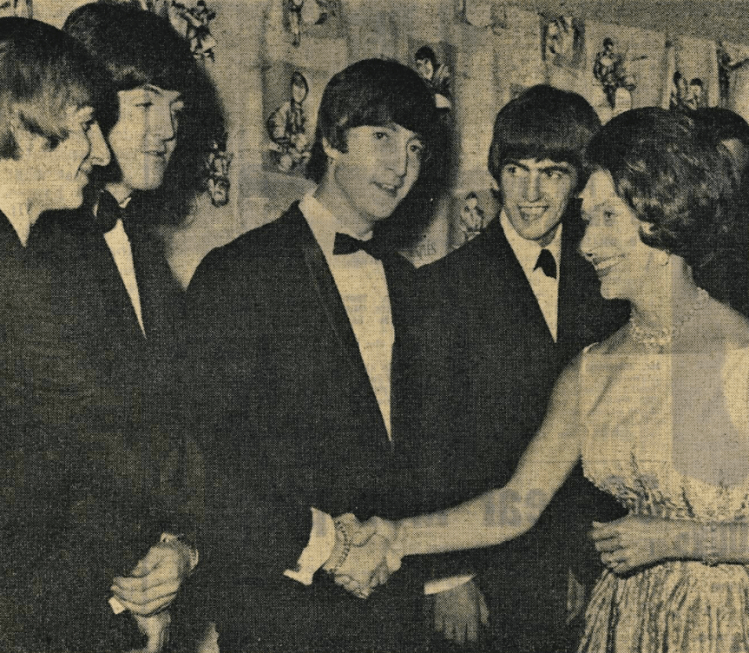
UK—a general term of disapproval, meaning ‘unpleasant’, ‘dirty’, ‘nasty’, ‘ugly’, etc.—shortened form of ‘grotesque’—first recorded in (and popularised by) A Hard Day’s Night (1964), a musical comedy film starring the Beatles
Read Morea small component of a much larger structure, system or process; an insignificant individual within a large population or community—commonly associated with ‘Another Brick in the Wall’, the title of a three-part composition by the British band Pink Floyd in their 1979 rock opera ‘The Wall’, but has been used since 1867
Read More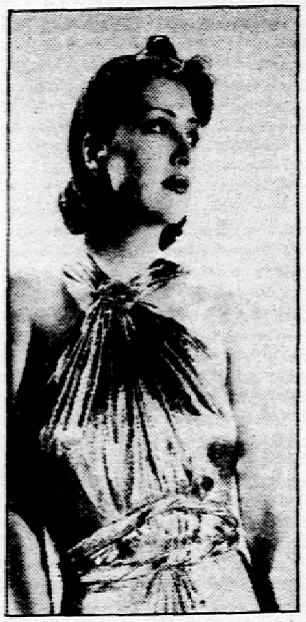
On the pattern of phrases such as ‘nom de guerre’, ‘nom de théâtre’ and ‘nom de plume’, ‘nom de —’ is used, often humorously, to form phrases denoting a pseudonym, an alternative name.
Read More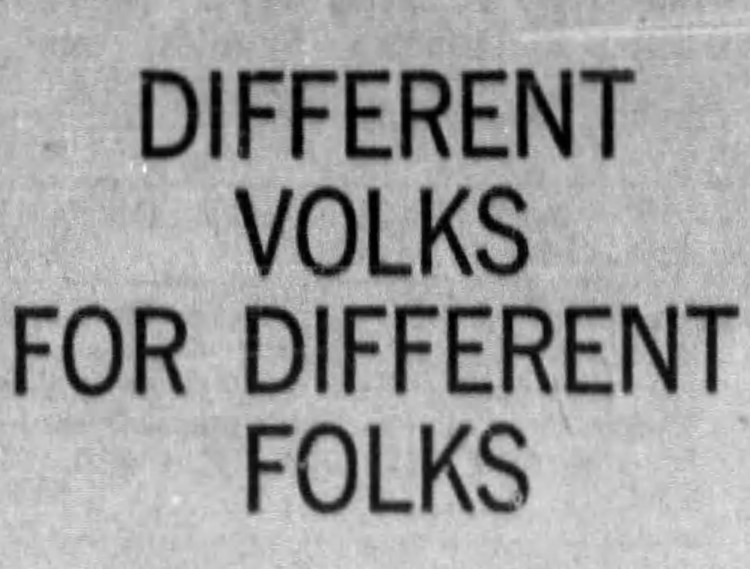
African-American, 1966—different things please or satisfy different people—‘stroke’ denotes a comforting gesture of approval or congratulation, and, by extension, a flattering or friendly remark
Read More
1928 in Clara Butt: Her Life-Story, by H. W. Ponder—“Sing ’em muck! It’s all they can understand!”: advice given by Australian soprano Nellie Melba to English contralto Clara Butt, who was about to undertake a tour of Australia
Read More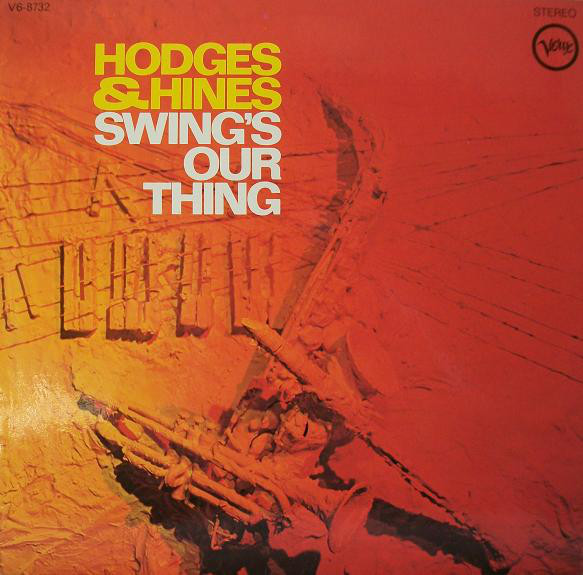
USA, 1967—emphatic negative phrase meaning ‘well, hardly’ or ‘no, that’s impossible’—used as the title of a jazz piece composed by Johnny Hodges—said to be a folk phrase that he had heard “out West”
Read MoreUSA, 1976—the outcome of a situation cannot be assumed—may allude to the stereotype of a large female soprano singing the final aria of an opera—from ‘church ain’t out ’till the fat lady sings’ (1976), itself from ‘church ain’t out until the singing is over’ (1872)
Read More1979—nickname given, in particular, to singer Olivia Newton-John—alludes to the type of popular music that (like a milkshake) is discarded as soon as it has been consumed
Read More word histories