origin of ‘a baker’s dozen’ and ‘thirteen to the dozen’
from the bakers’ former practice of adding a loaf to a dozen, either as a safeguard against accusations of giving light weight or as the retailer’s profit
Read More
“ad fontes!”
from the bakers’ former practice of adding a loaf to a dozen, either as a safeguard against accusations of giving light weight or as the retailer’s profit
Read More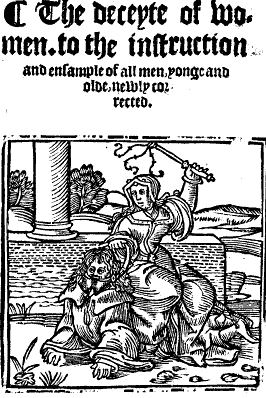
history (and Latin and French equivalents) of ‘to cut off one’s nose to spite one’s face’ (to carry out a vengeful action that hurts oneself more than another)
Read Morerefers to the possibility of finding a pearl in an oyster—coined by Shakespeare in The Merry Wives of Windsor, perhaps in allusion to a proverb
Read More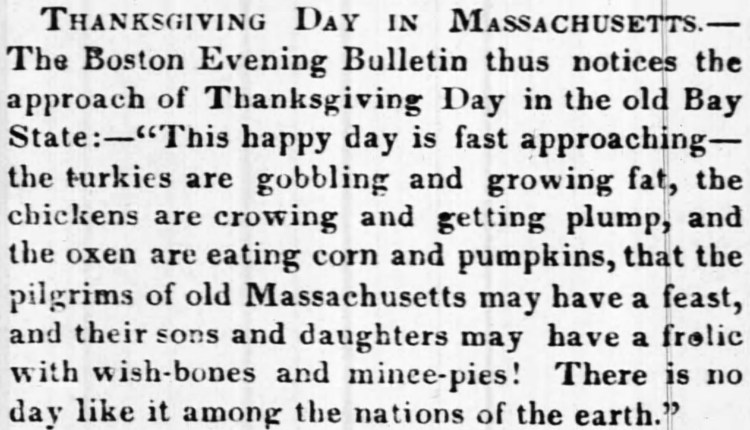
‘merrythought’, late 16th century— the forked bone between the neck and breast of a bird—so called from its resemblance to a woman’s external genitals
Read More
‘no man’s land’—first a place of execution outside London; then a mass burial ground during the Black Death; later an unoccupied zone between opposing forces
Read More‘the next world’, hence also ‘death’, ‘utter destruction’—1752—a loose, originally slangy, use of the petition ‘Thy kingdom come’ in the ‘Lord’s Prayer’
Read More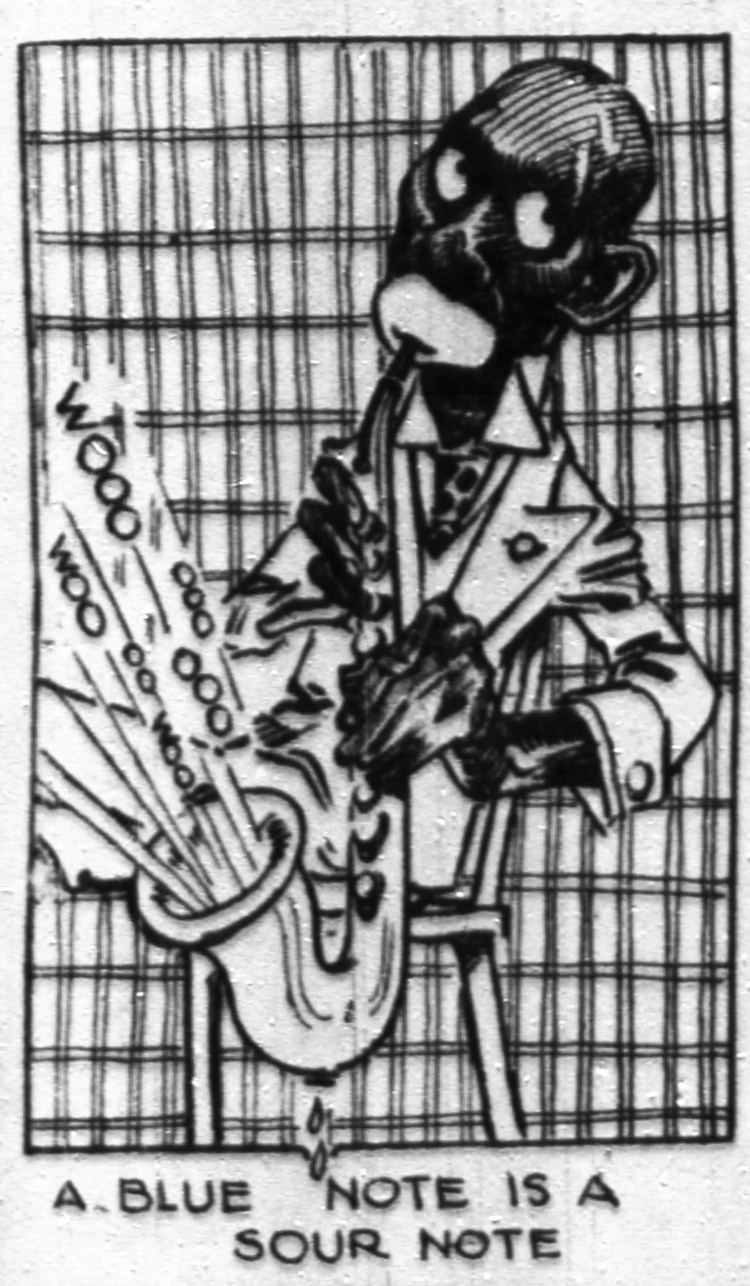
‘blues’—from ‘blue’ (‘sorrowful’) and elliptically from ‘blue devils’ (‘depression’)—originally a metaphorical use of ‘blue’ (‘bruised’), as in ‘black and blue’
Read More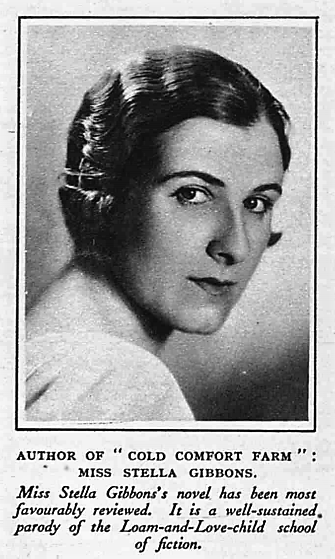
UK, 1930s—from Cold Comfort Farm (1932), by Stella Gibbons, in which a character exploits a traumatic childhood experience to exert control over her family
Read Moreearly 19th century—shortening of ‘to turn the deaf ear and the blind eye’ and variants
Read More
UK, late 19th cent.—probably a rendering of an Irish patronym, based on stereotypes generated by Irish immigration to Britain and popularised by theatre
Read More word histories