original meaning and sense development of ‘wild-goose chase’
originally a kind of horse chase in which the second horse had to follow the course of the leader, like a flight of wild geese
Read More
“ad fontes!”
originally a kind of horse chase in which the second horse had to follow the course of the leader, like a flight of wild geese
Read Moreultimately based on the fable of the mice, or rats, who proposed to hang a bell round the cat’s neck, so as to be warned of its approach
Read More
UK, 1849—in the medical profession, appearances, among which a good bedside manner, prevailed over qualifications
Read MoreUK, 1831—In ‘beer and skittles’, denoting unmixed enjoyment, the image is of a person drinking beer while playing skittles.
Read More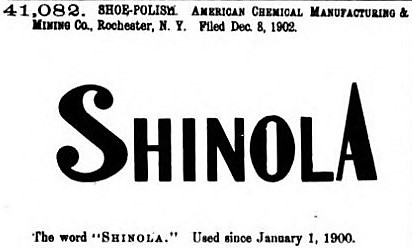
USA, 1946—to be completely unaware or innocent—from ‘Shinola’, the trade name of an American brand of shoe polish
Read More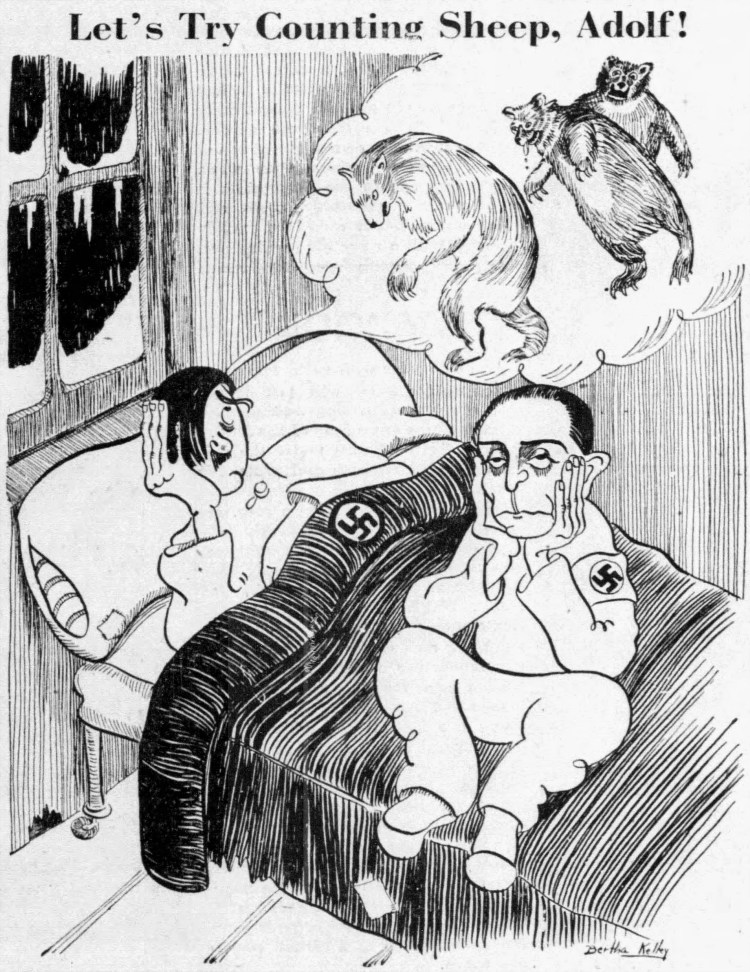
‘to count sheep’ (French ‘compter les moutons’): to count imaginary sheep jumping over an obstacle one by one, as a way of sending oneself to sleep
Read MoreUK, 1912—from the prayer “From Ghoulies and Ghoosties, long-leggety Beasties, and Things that go Bump in the Night, Good Lord, deliver us!”
Read Moreoriginated in the mistranslation by Erasmus of Greek ‘skáphē’ (meaning anything hollowed out) as a word denoting a digging tool
Read More17th century—allusion to the Aeneid, by Virgil, in which the Sybil throws a drugged cake to Cerberus, the monstrous dog guarding the entrance to Hades
Read More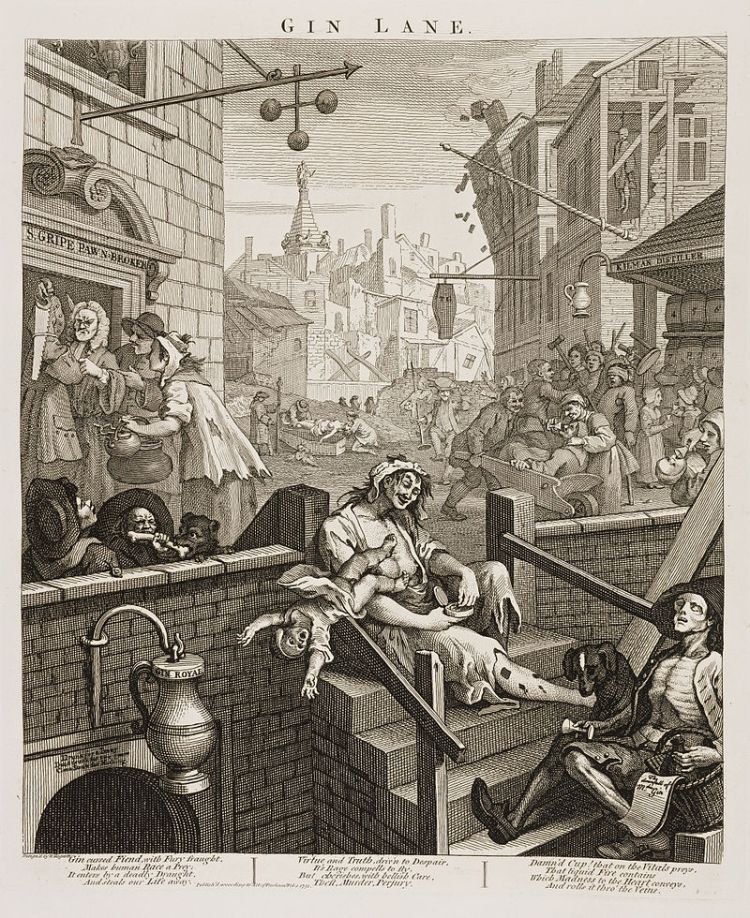
probably refers to pregnancy as an awkward condition, the image being apparently of an uncomfortable position at the top of a pole
Read More
