meaning and origin of the phrase ‘away with the fairies’

Irish English, 1907—out of touch with reality—ultimately refers to the belief that the fairies spirit away human beings
Read More
“ad fontes!”
Irish English, 1907—out of touch with reality—ultimately refers to the belief that the fairies spirit away human beings
Read More
to be sensible and intelligent—1784 in a US publication, but attributed to “a gentleman from abroad”—‘blue’, meaningless fanciful intensive, sometimes before ‘beans’
Read MoreUK, 1930—‘as the bishop said to the actress’, ‘as the actress said to the bishop’: mischievously implies a sexual innuendo or ambiguity in a preceding innocent remark
Read MoreUSA, 1815—from the practice of putting one’s ear to the ground in order to detect the vibration of sounds in the distance before they can actually be heard
Read More
the city or university of Oxford; the sheltered condition of unworldly academics—from the poem ‘Thyrsis’ (1866), by Matthew Arnold
Read MoreUK, 1789—aided by alliteration, arose from a long-established figurative use of ‘brass’, sometimes in association with ‘bold’
Read MoreUK, 1869—inaccurate translation of Latin ‘panem and circenses’ (literally ‘bread and circus games’) as used by the Roman poet Juvenal
Read Moreletter of thanks for hospitality: ‘bread-and-butter letter’ (USA, late 19th century) – ‘Collins’ (UK, early 20th century, from the name of William Collins in Jane Austen’s Pride and Prejudice)
Read MoreUSA, 1931—phrase based on the phonetic similarity of the two words that compose it—implies lack of discrimination
Read More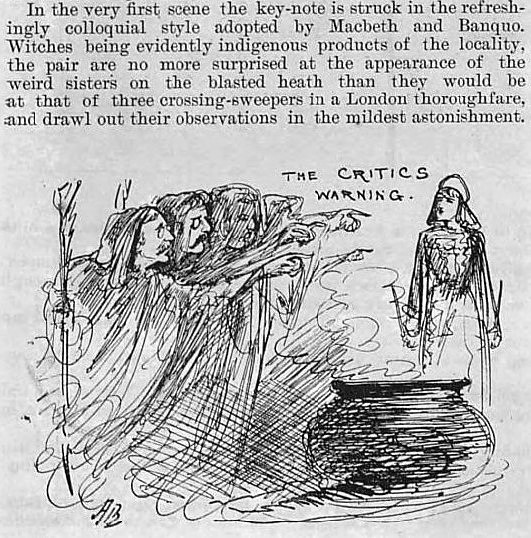
early 20th century—according to theatrical superstition, ‘Macbeth’ is a very unlucky play—the origin of this belief is unknown
Read More
