meanings and early instances of ‘Freudian slip’
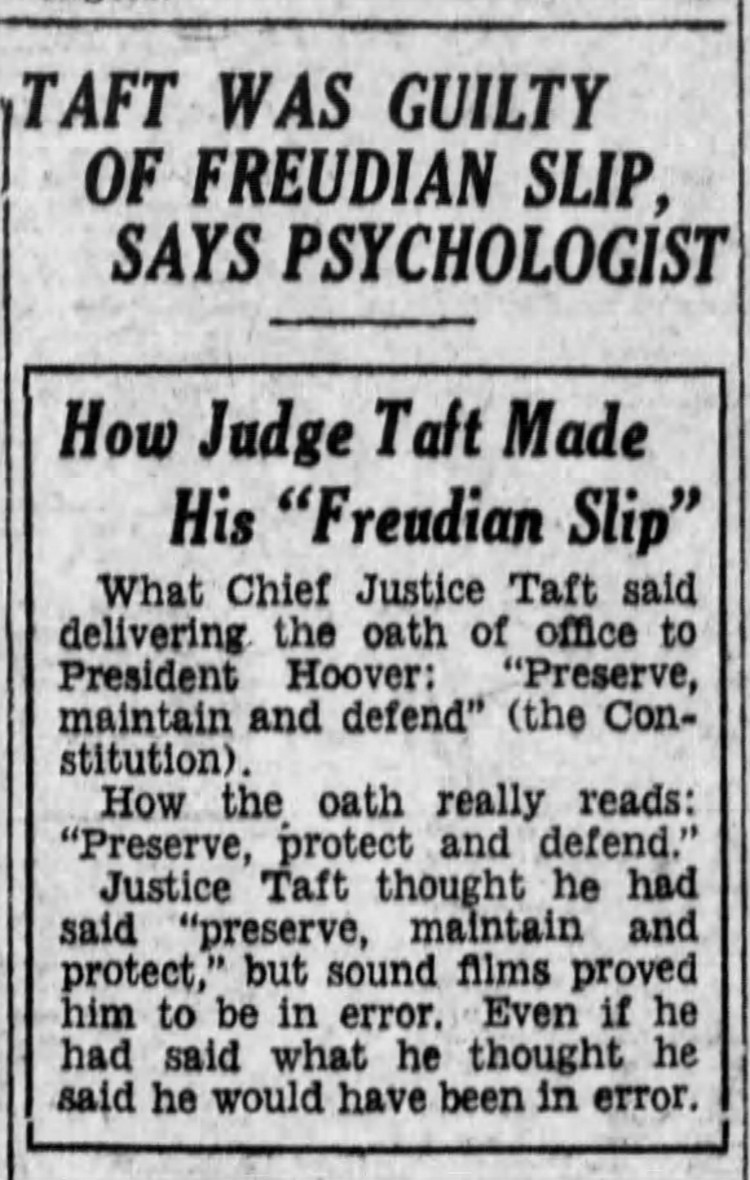
USA, 1927—a slip of the tongue by which the speaker reveals an unconscious thought—named after Austrian neurologist and psychotherapist Sigmund Freud (1856-1939)
Read More
“ad fontes!”
USA, 1927—a slip of the tongue by which the speaker reveals an unconscious thought—named after Austrian neurologist and psychotherapist Sigmund Freud (1856-1939)
Read More
USA—from 1848 onwards in contrast to ‘all men are equal’—now often alludes to ‘but some animals are more equal than others’ in Orwell’s Animal Farm (1945)
Read Moree.g. ‘one eye at St. Paul’s and the other at Charing-cross’, ‘un œil aux champs et l’autre à la ville’ (one eye at the fields and the other at the town)
Read MoreUSA, 1895—a sense of pervasive and shared disappointment—alludes to the defeat of the baseball team of Mudville, a fictional town in E. L. Thayer’s 1888 poem ‘Casey at the Bat’
Read More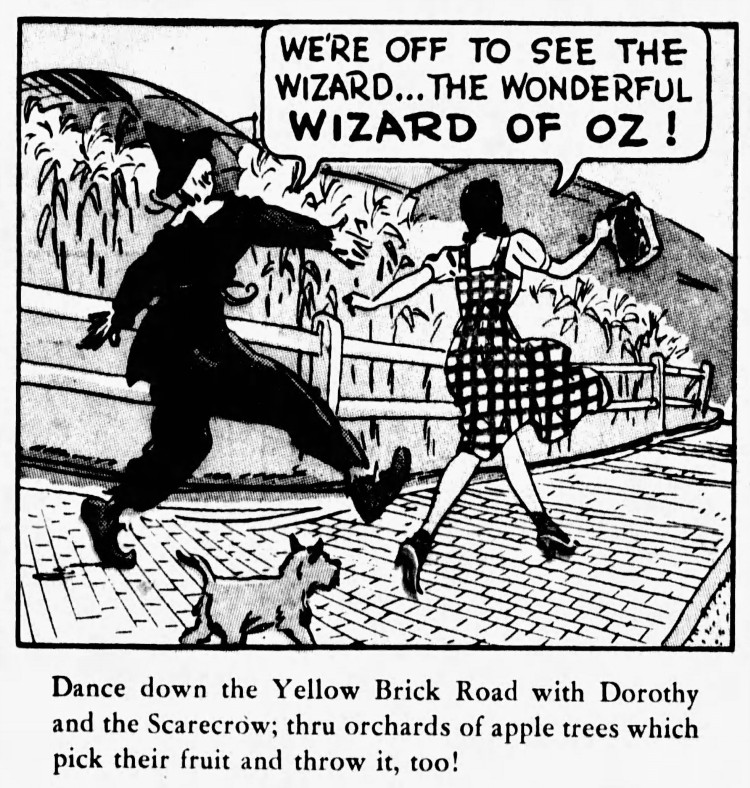
USA, 1939—road to success or happiness—from the road paved with yellow brick in Baum’s 1900 novel The Wonderful Wizard of Oz and the 1939 film The Wizard of Oz
Read More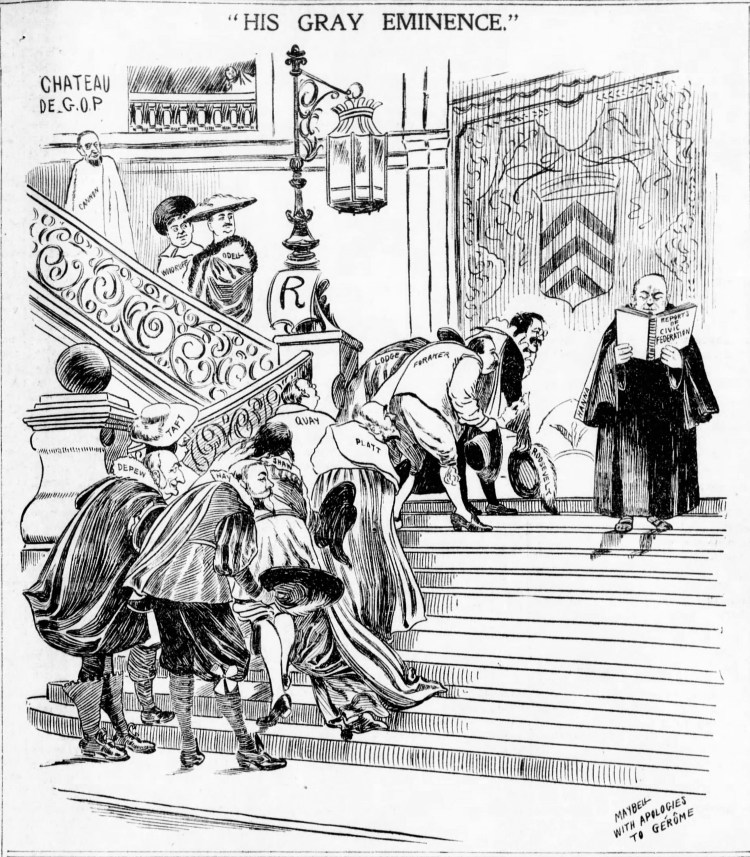
UK, 1877—a person who wields unofficial power and influence—originally applied to Père Joseph (François Leclerc du Tremblay), French friar, confidential agent of Cardinal Richelieu
Read More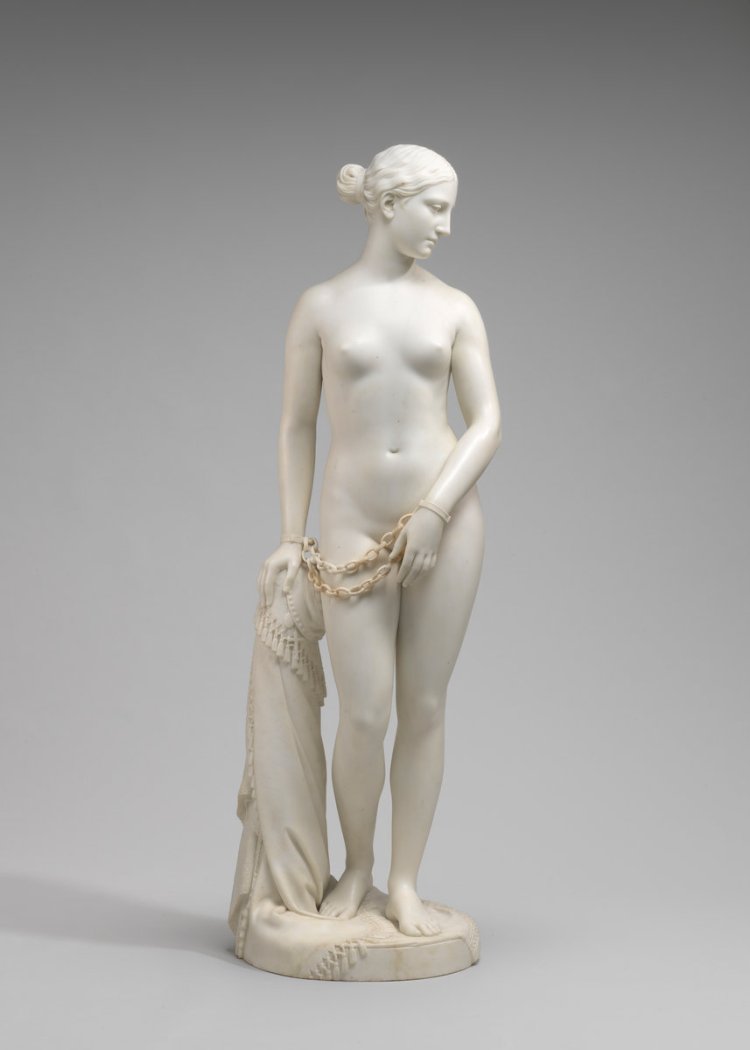
USA—‘Comstockism’ 1878, ‘Comstockery’ 1889—strict censorship of materials considered obscene—after anti-vice activist Anthony Comstock (1844-1915)
Read More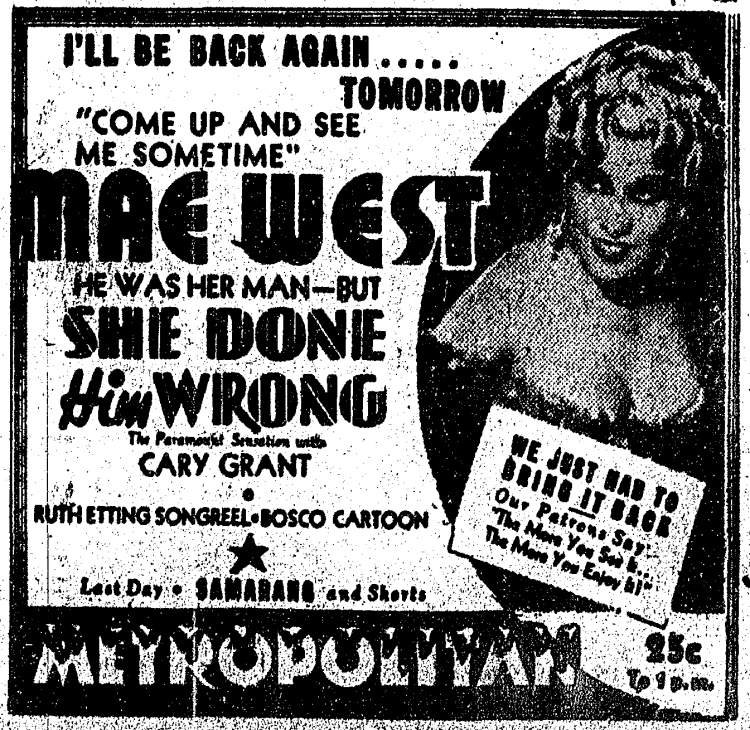
USA, 1933—a famous invitation to sexual dalliance—alteration of ‘come up sometime and see me’, uttered by Mae West in the 1933 film ‘She Done Him Wrong’
Read More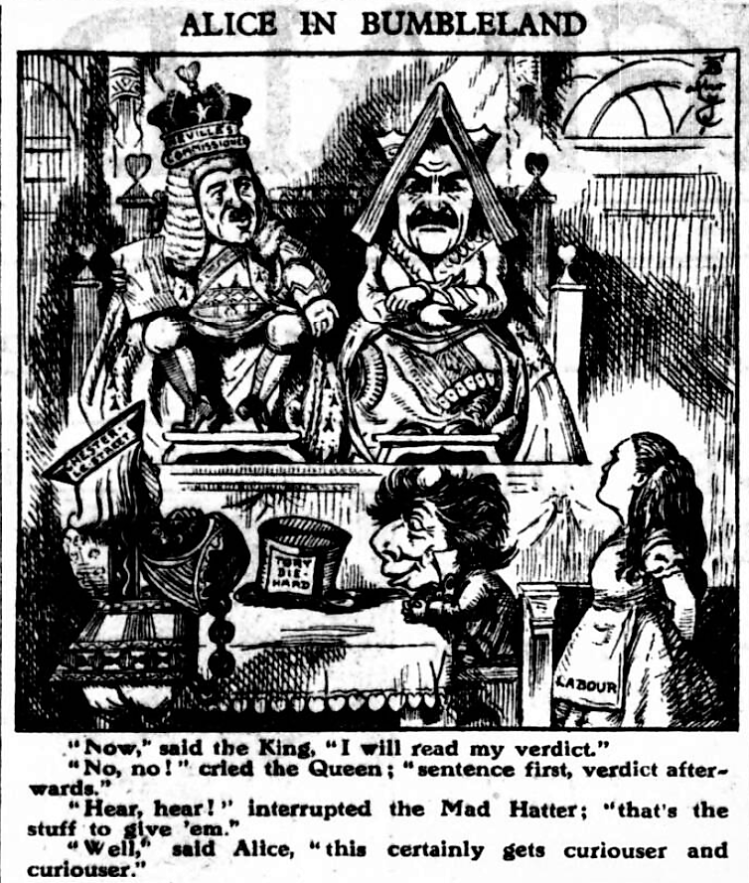
UK, 1869—used to denounce arbitrariness—alludes to a demand by the Queen of Hearts during the trial of the Knave of Hearts in Alice’s Adventures in Wonderland (1865)
Read More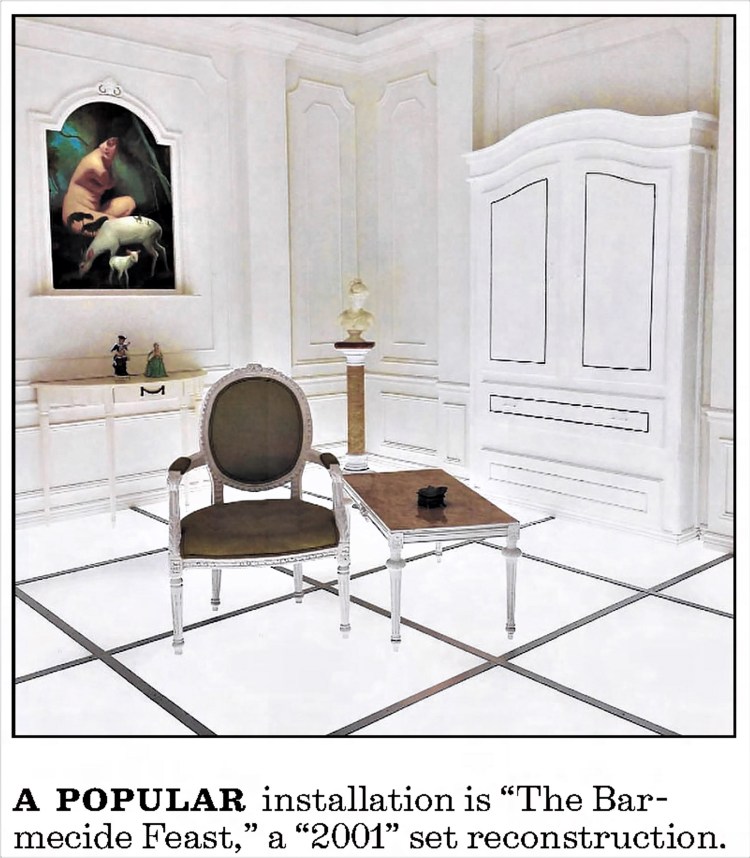
UK, 1823—pretended or illusory generosity or hospitality—from the name of a prince in The Arabian Nights, who gave a beggar a feast consisting of empty dishes
Read More word histories