meaning and history of ‘spring forward, fall back’

USA, 1936—serves as a mnemonic for remembering to set the clocks when daylight-saving time comes into effect and when it ends
Read More
“ad fontes!”
USA, 1936—serves as a mnemonic for remembering to set the clocks when daylight-saving time comes into effect and when it ends
Read More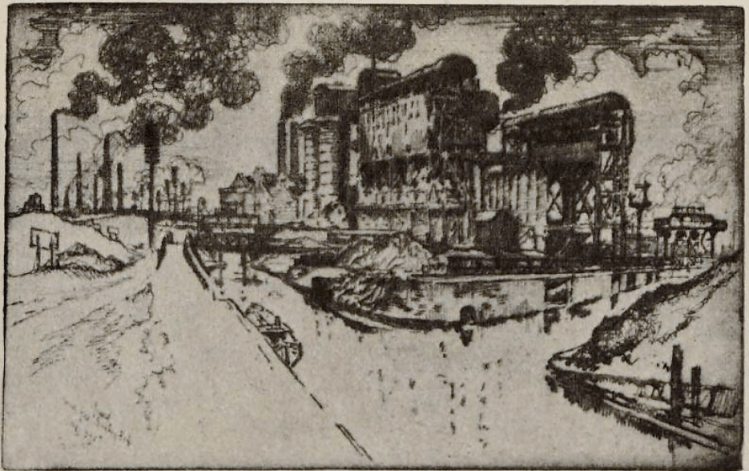
UK, 1913—industrial mills—working places characterised by dehumanising forms of labour—from ‘And did those feet in ancient time’, by the English poet William Blake
Read More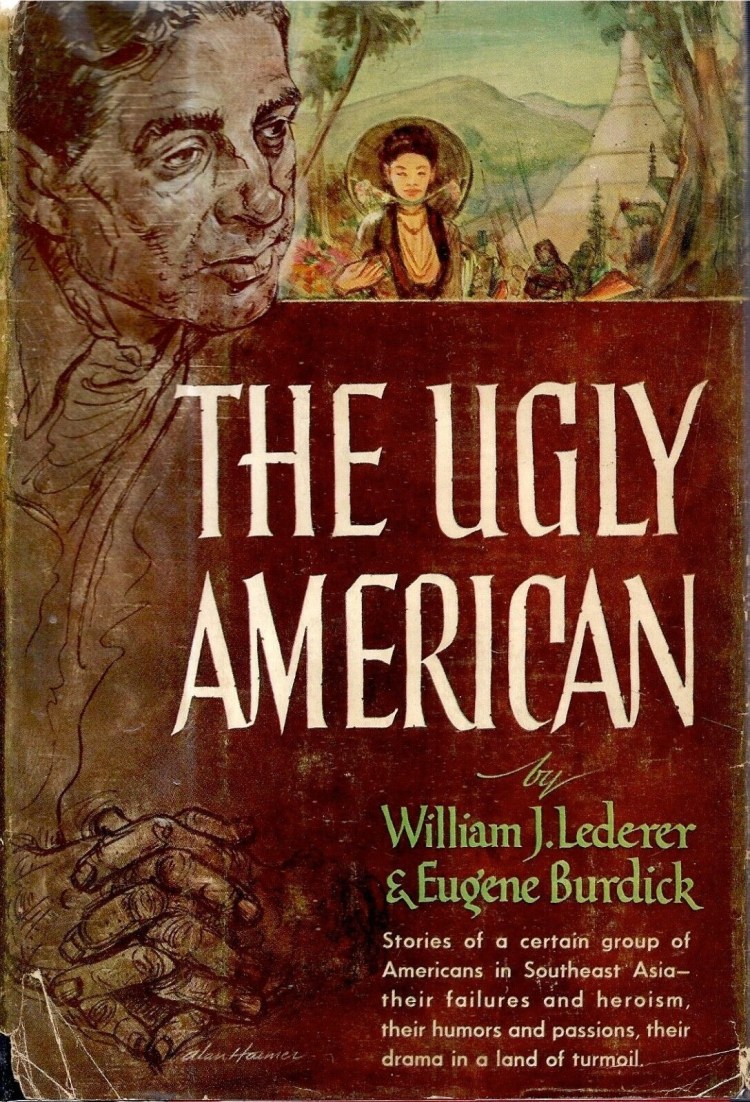
USA, 1958—an American who behaves offensively abroad—refers to The Ugly American, a 1958 novel denouncing the U.S. Foreign Service in Southeast Asia
Read More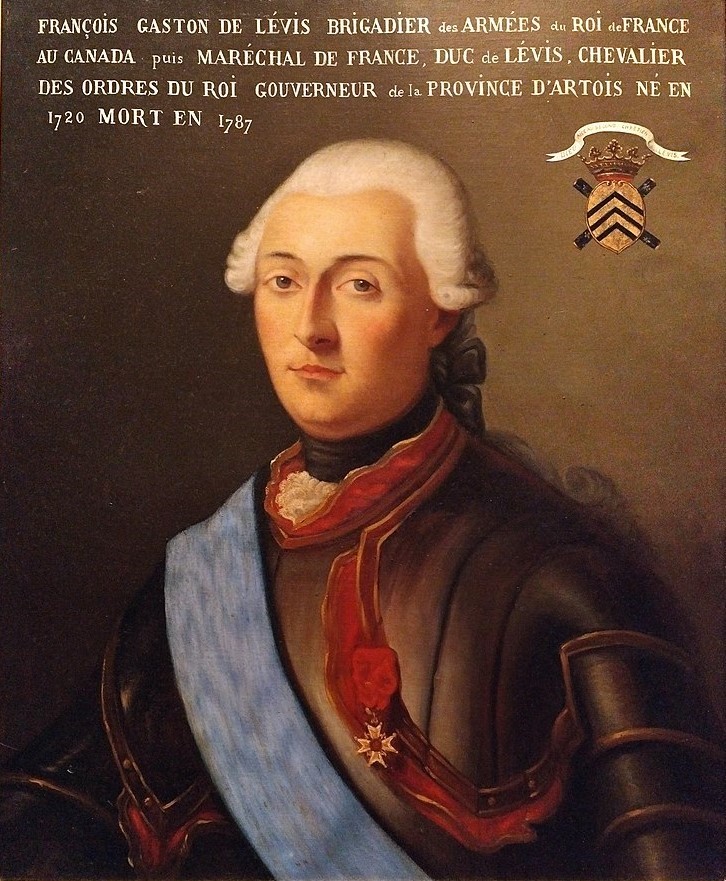
originally the sky-blue ribbon worn by the Knights-grand-cross of the French order of the Holy Ghost—applied by extension to other first-class distinctions
Read More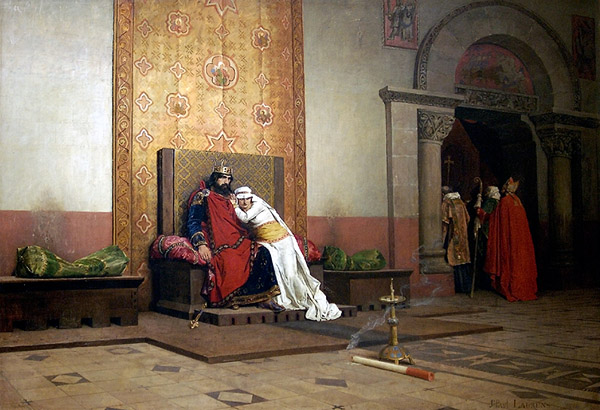
14th century—a form of excommunication from the Catholic Church—by extension any process of condemnation carried out thoroughly
Read More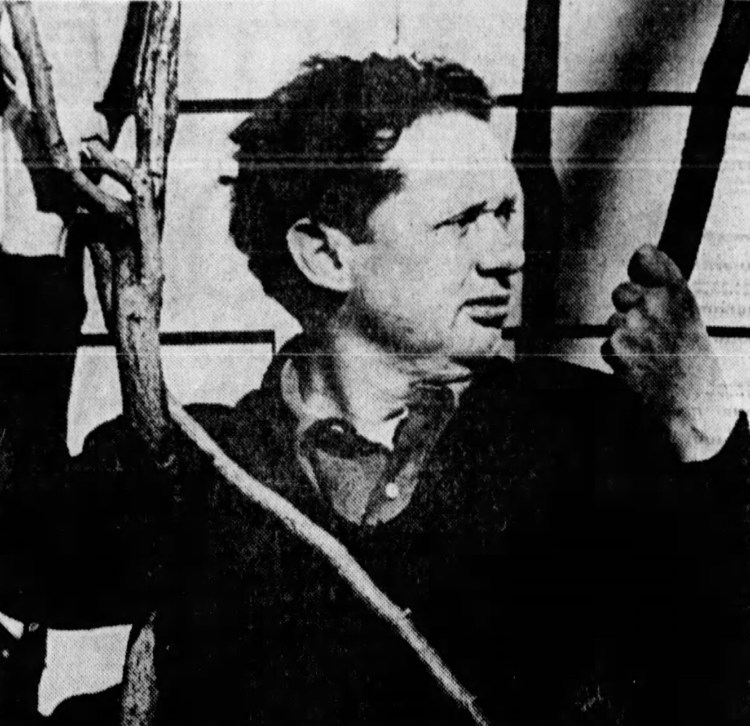
USA, 1952—meaning: (not) to give up or acquiesce, especially to death, without a struggle—origin: used as the title of, and in, a poem by Dylan Thomas
Read Moresite of a nuclear power station accident (1986)—name associated with the end of the world in the Bible—epithet for Disneyland Paris, seen as a cultural disaster
Read More
an extremely beautiful woman—alludes to the description of Helen of Troy in Christopher Marlowe’s ‘Doctor Faustus’—has given rise to countless adaptations
Read More
a man and woman in the act of copulation—English: earliest in Shakespeare’s Othello—perhaps a calque of French: earliest in Rabelais’s Gargantua (1542)
Read MoreUSA—derogatory appellation for a group of persons—1950 Los Angeles’s gangs of hoodlums—1955 self-designation of a group of Hollywood celebrities
Read More
