‘stand and grow good’: meanings and origin
UK, 1862—originally said to children in order that they develop an upright posture—came to be humorously used when declining a proffered seat
Read More
“ad fontes!”
UK, 1862—originally said to children in order that they develop an upright posture—came to be humorously used when declining a proffered seat
Read More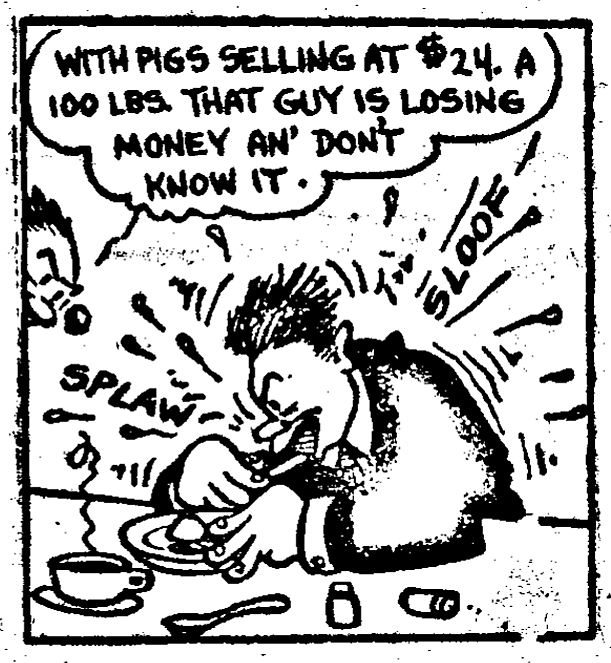
UK, 1879—meanings: an undisciplined assault on food and drink, and, by extension, any disorderly but excited scene
Read MoreUSA, 1833—jocular phrase meaning that the speaker does not care what he is being called—a U.S. and Australian variant uses ‘breakfast’ instead of ‘dinner’
Read More
USA, 1944—was used when a cattle-owner let the autumn book tally stand all winter and sold out the herd on that basis, no matter how many head froze or got stolen over winter
Read Morephrase popularised by its frequent use in the diary (1659-69) of Samuel Pepys (1633-1703)—not peculiar to him, however, as it was used for example by Philip Massinger in 1624
Read MoreUK, early 18th century—addressed to one who, saying ‘coming!’ (i.e., ‘in a minute’), takes a long time to arrive—used by extension of anything that is being delayed
Read Moreuncontrollable or obsessive passion—French phrase introduced in the 1960s as a theme of drama, prose narrative and cinema
Read More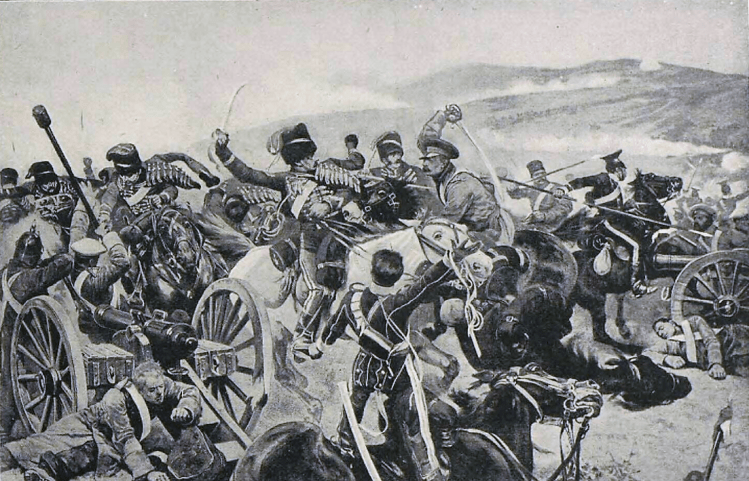
alludes to a British cavalry charge in 1854 during the Battle of Balaclava in the Crimean War—the phrase has had a variety of meanings, depending on the acceptation in which ‘charge’ has been used
Read More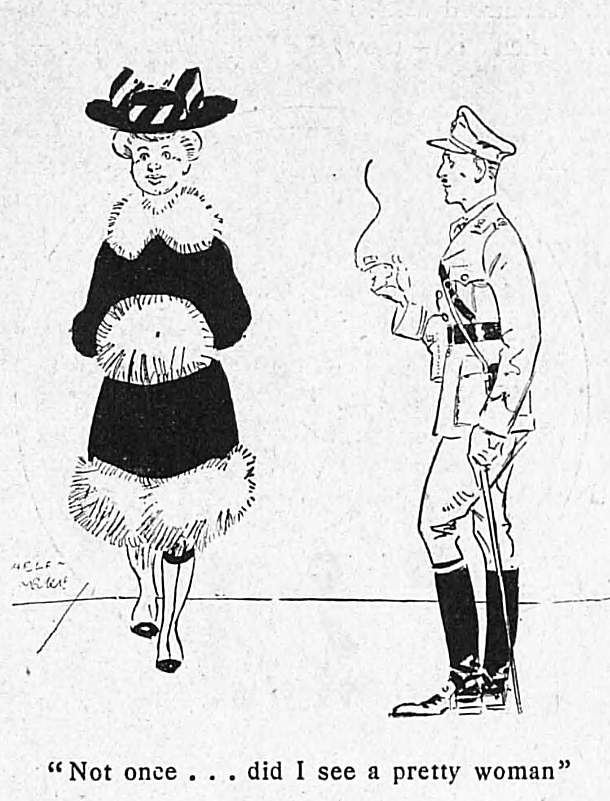
a deliberate malapropism punning on ‘to cast aspersions on’—UK, 1902—nasturtiums are low plants with large round leaves and orange, red or yellow flowers
Read More1928—addressed to someone who looks glum—‘scone’ (originally Scots, early 16th century) denotes a light plain doughy cake
Read More word histories