‘thank your mother for the rabbit(s)’: meanings and early occurrences
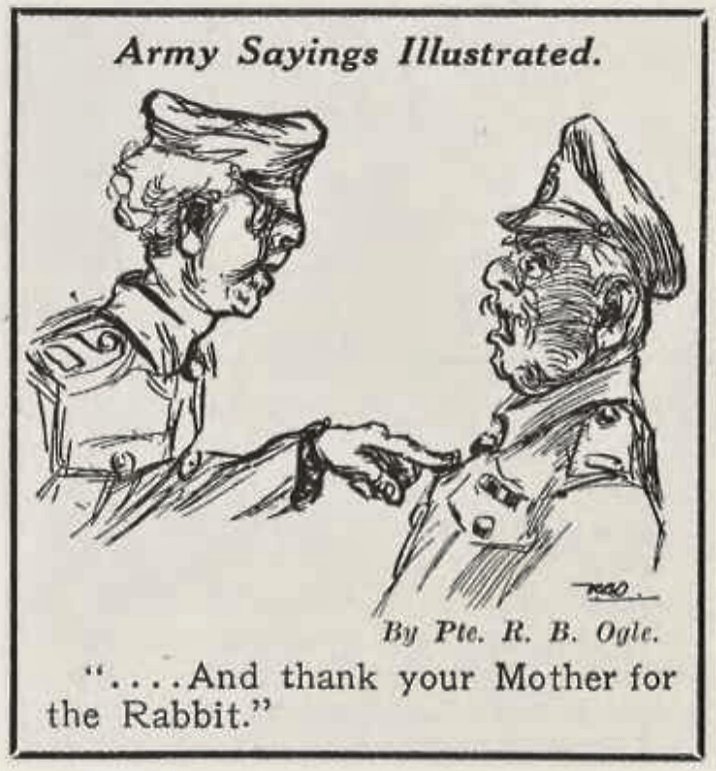
UK and Ireland, since 1913—this jocular phrase has been used as an ironic expression of gratitude and as a goodbye
Read More
“ad fontes!”
UK and Ireland, since 1913—this jocular phrase has been used as an ironic expression of gratitude and as a goodbye
Read Moreused to rebuke an unrealistic conditional—USA, 1808: ‘if my aunt had been my uncle, what would have been her gender?’—France, 1843: ‘si ma tante était un homme, ça serait mon oncle’ (‘if my aunt were a man, that would be my uncle’)
Read More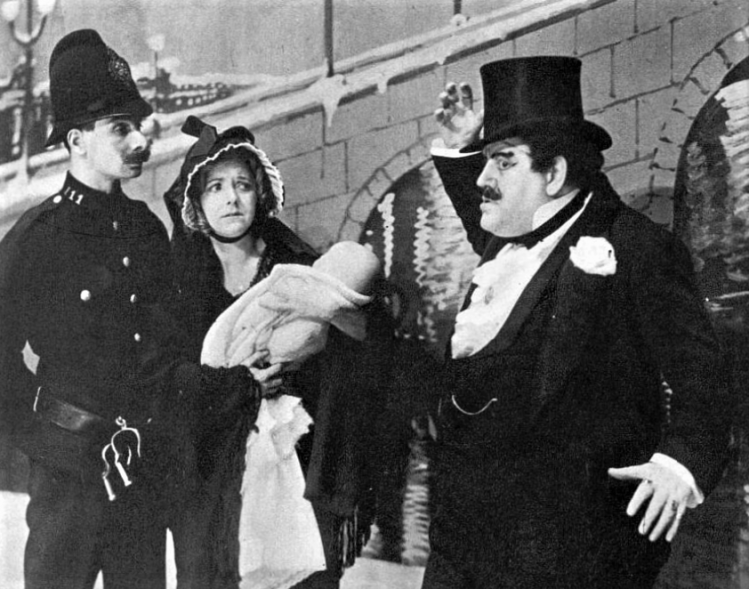
used to characterise melodrama—from the words said over her dead child by Lady Isabel in East Lynne (1874), T. A. Palmer’s stage play adapted from the 1861 novel by the English author Mrs. Henry Wood (Ellen Price)
Read MoreUK, 18th century—addressed to one who stands between the speaker and the light of a window, a lamp, a candle or a fire, or, more generally, to one who obstructs the speaker’s view
Read More1951—with pun on the noun ‘camp’ (i.e.: encampment): extremely camp (i.e.: ostentatiously and extravagantly effeminate; deliberately exaggerated and theatrical in style)
Read Morea word in confidence—UK, 1927—‘shell-like’ elliptical for ‘shell-like ear’, which was originally a poetical term associating the shape of the external ear with the graceful convolutions of a small pink seashell
Read MoreAmerican English, 1823—meaning: if one is falsely reputed to act in a specific manner, then one may as well act in that manner
Read More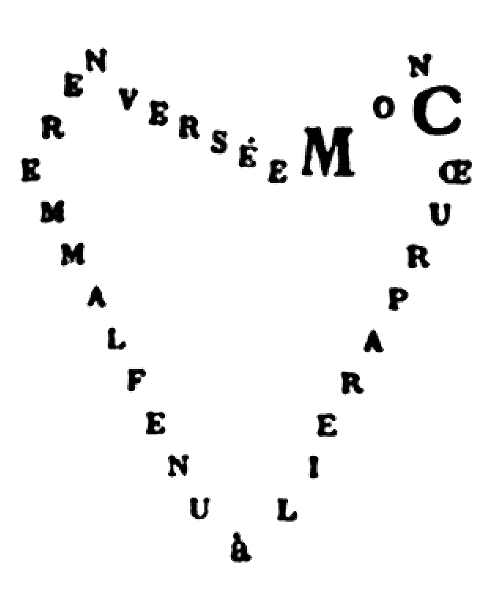
a word or piece of text in which the design and layout of the letters creates a visual image related to the meaning of the words themselves—from French ‘calligramme’, coined in 1918 by the French poet Guillaume Apollinaire—from ‘calligraphie’ and ‘idéogramme’
Read MoreUSA, 1909—a derogatory description of a specific place or occupation, typically used by somebody who is getting expelled from this specific place or occupation
Read MoreUK, 1862—originally said to children in order that they develop an upright posture—came to be humorously used when declining a proffered seat
Read More word histories