1613—used hyperbolically of any impressive object, etc.—also applied ironically to a self-satisfied or arrogant person—refers to the seven wonders of the world, i.e., the seven most spectacular man-made structures of the ancient world
UK, 1710—in a situation in which any action one takes will have adverse consequences—‘cleft’, past participle of the verb ‘cleave’, means ‘split in two to a certain depth’—the image is of one being squeezed between the stick’s prongs
UK, 1955—‘cobblers’, short for ‘cobbler’s (or cobblers’) awls’, is rhyming slang for ‘balls’, i.e., ‘testicles’, and figuratively ‘nonsense’, ‘rubbish’
USA, 1927—a conventional film ending, regarded as sentimental or simplistic, and often featuring an improbably positive outcome—by extension: an improbably positive outcome to a real-life situation
USA, 1883—deliberate transposition of the initial consonants of ‘plot’ and ‘thickens’ in ‘the plot thickens’—‘the plot thickens’, attested in 1672, means: the storyline becomes more complex or convoluted
Australia, 1973—used of anything that is absolutely unacceptable, and of any disagreeable situation or experience—‘Jap’: derogatory shortening of ‘Japanese’—Anzac Day: commemoration of the landing of the Australian and New Zealand Army Corps in the Gallipoli Peninsula in 1915
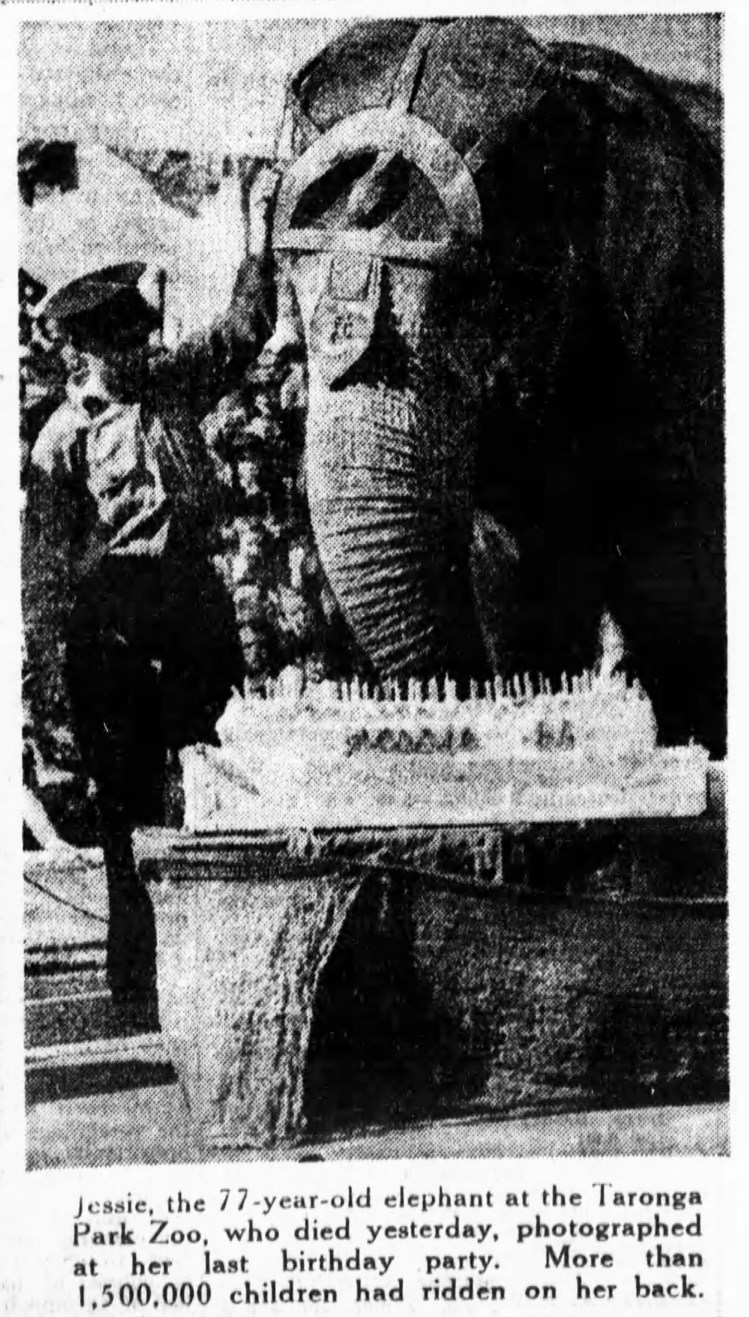
Australia, 1919—an excess of effrontery—puns on two meanings of ‘hide’ (the skin of an animal – effrontery) and refers to ‘Jessie’, the name of an elephant that was kept in the zoological gardens of Sydney, New South Wales



 word histories