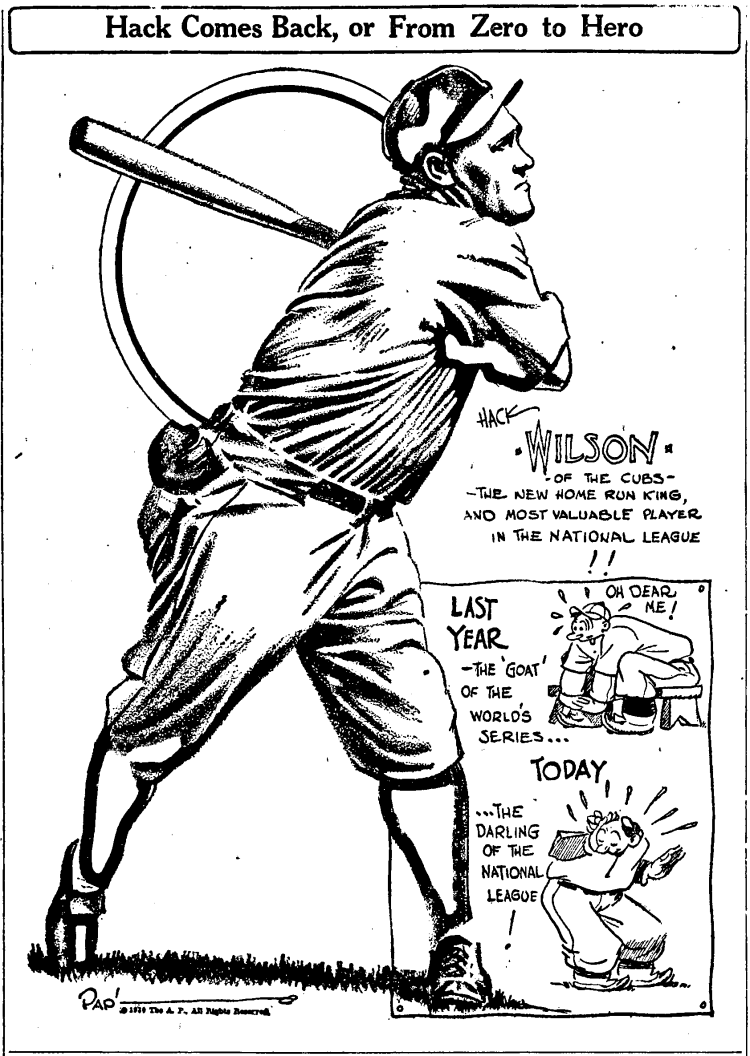
USA—(1893) ‘to go from zero to hero’: to experience a sudden increase in popularity or success, especially having previously been in a position of low achievement or esteem—(1899) ‘to go from hero to zero’: to suffer a sudden decline in popularity or success
1758—humorous exclamation expressing surprise, excitement, etc.—‘star’: a badge in the shape of, or ornamented with, a star, worn as part of the insignia of an order of knighthood or of chivalry—‘garter’: the badge of the highest order of English knighthood, i.e., the Order of the Garter
1747—a small outlay or risk ventured in the hope or expectation of a significant return—a metaphor from fishing, in which sprats are used as bait to catch larger fish—in early use with the words ‘salmon’ and ‘herring’ instead of ‘mackerel’
Scotland, 1806—to make a determined effort to achieve something, whether ending in success or failure—refers to the making of spoons out of the horns of cattle or sheep, which was common in Scotland till late in the 19th century
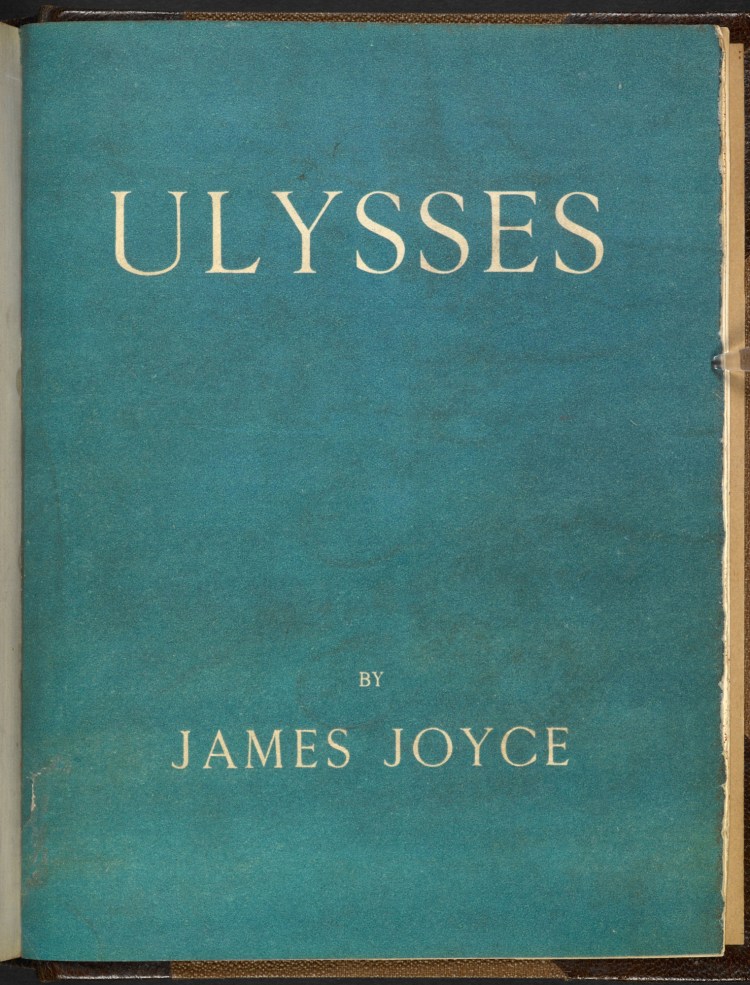
the 16th of June 1904; also the 16th of June of any year, on which celebrations take place, especially in Ireland, to mark the anniversary of the events in Ulysses (1922), by the Irish author James Joyce—Leopold Bloom is one of the central characters in Ulysses, in which all the action takes place on one day, the 16th of June 1904
Lancashire, England, 1973—a wasted journey; a weird way of behaving; a fit of ill temper—origin unknown—one hypothesis is that when wine boats from the Mediterranean arrived in Liverpool, the wine was occasionally sour and therefore useless
USA, 1812—UK, 1818—the name of a character proverbially said to have been so great a liar that he was expelled from Hell—hence, frequently in ‘a bigger liar than Tom Pepper’, and variants: an outrageous liar
literal meaning (1551): halfway across the sea—figurative meanings (1692): halfway towards a goal or destination, half through with a matter, halfway between one state and another—also (1699): half drunk
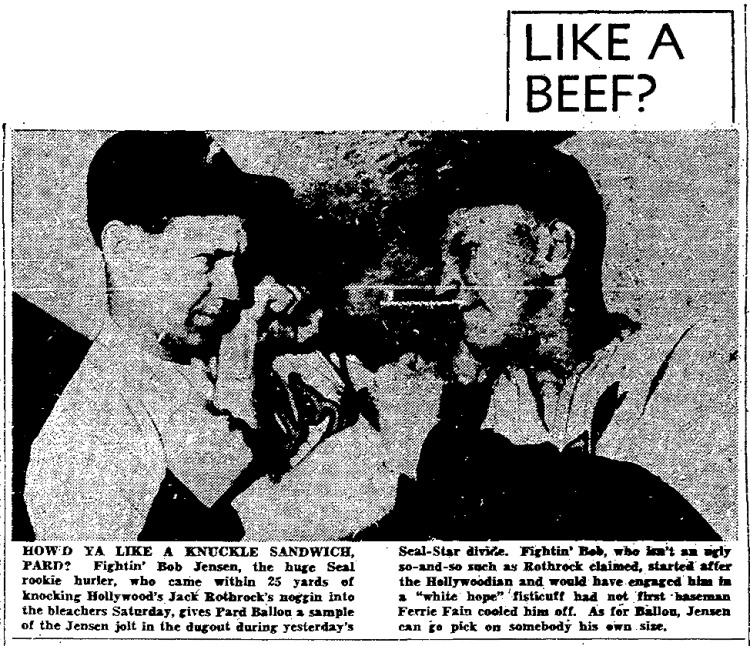
‘knuckle-sandwich’ USA, 1940—‘knuckle-butty’ UK, 1972—a punch to the mouth (or to the stomach)—the image is of a sandwich of knuckles being forced into the mouth (or into the stomach) of the person who is punched
a dentist—World War Two—slang of the British armed forces—was soon adopted into (and came to be regarded as) Australian English—earlier synonyms: ‘fang-faker’ and ‘fang-wrencher’