‘boys will be boys’: meaning and early occurrences
1721—used to express resignation regarding an undesirable aspect of the behaviour of a boy or young man, as being supposedly characteristic of his age or sex
Read More
“ad fontes!”
1721—used to express resignation regarding an undesirable aspect of the behaviour of a boy or young man, as being supposedly characteristic of his age or sex
Read MoreBritish, 1907—denotes considerable talent or ability to grow plants—in this phrase, the adjective ‘green’ refers to the colour of growing vegetation—1921: ‘green-thumbed’ (adjective)
Read MoreBritish, 1906—denotes considerable talent or ability to grow plants—in this phrase, the adjective ‘green’ refers to the colour of growing vegetation—1914: ‘green-fingered’ (adjective)
Read MoreUK, 1837—to go out of one’s way to start a quarrel or a fight—refers to the Irish practice of dragging one’s coat behind one in the expectation that somebody will, intentionally or unintentionally, step on it and provide the pretext needed for a quarrel or a fight
Read Moremeans that the place with which one has the strongest emotional connection is the place that one regards as home—first occurred in October 1828, in an unsigned poem published in The Winter’s Wreath, an annual published in London
Read MoreUK, 1830—In ‘eligible bachelor’, the adjective ‘eligible’ means ‘suitable as a partner in marriage’.
Read More‘red rag’—a piece of red cloth used to provoke an animal—hence, figuratively, a source of provocation or annoyance, something which excites violent indignation—the notion occurs in the late 16th century
Read More1733—denotes imaginary or non-existent people—refers to John Falstaff’s vaunting tale in the First Part of King Henry the Fourth, by William Shakespeare, in which two men in buckram suits gradually become eleven
Read More‘butterfingered’, adjective, 1615: having a tendency to let things fall or slip from one’s hands—also (English, regional) unable or unwilling to handle hot items with one’s bare hands—‘butterfingers’, noun, 1835: a butterfingered person, a person with a tendency to let things fall or slip from his or her hands
Read More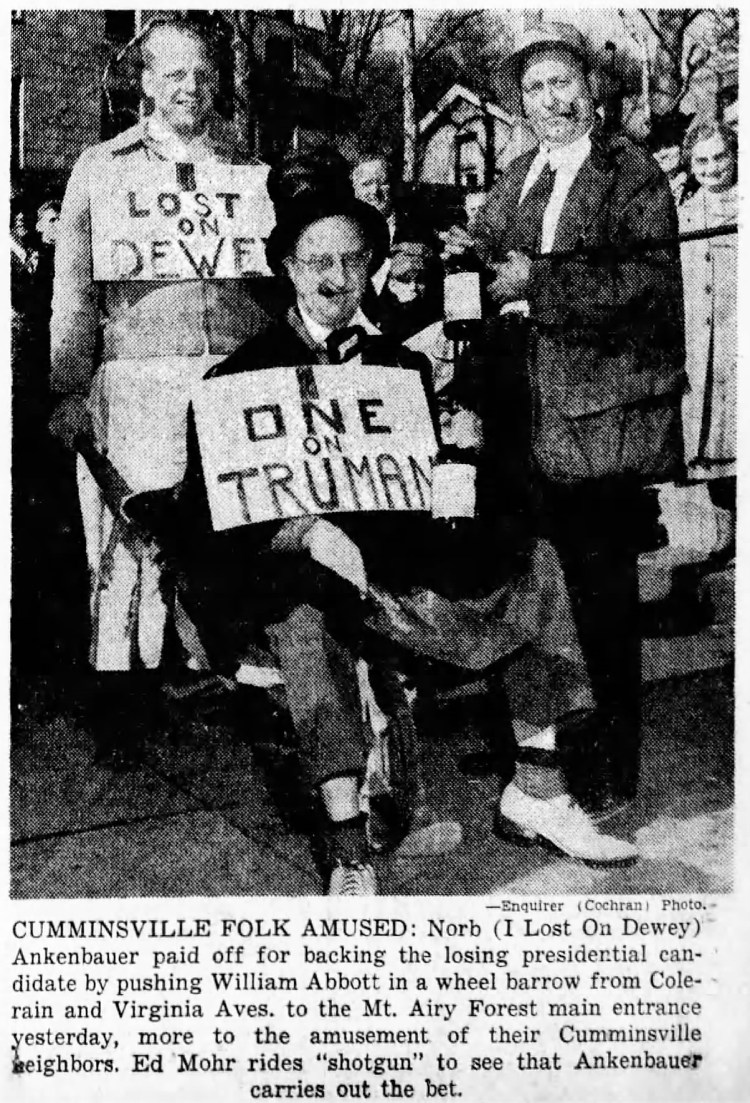
USA—literally (1905): to travel as an armed guard next to the driver of a vehicle—in extended use (1948): to accompany, to escort, especially in ‘to ride shotgun on somebody’—figuratively (1949): to assist, to protect, especially in ‘to ride shotgun on somebody’
Read More
