a small component of a much larger structure, system or process; an insignificant individual within a large population or community—commonly associated with ‘Another Brick in the Wall’, the title of a three-part composition by the British band Pink Floyd in their 1979 rock opera ‘The Wall’, but has been used since 1867
UK, 1888—a person who interrupts at an inconvenient moment—alludes to a visitor from Porlock, in Somerset, England, who, according to Samuel Taylor Coleridge (1772-1834), interrupted him during the composition of ‘Kubla Kahn’
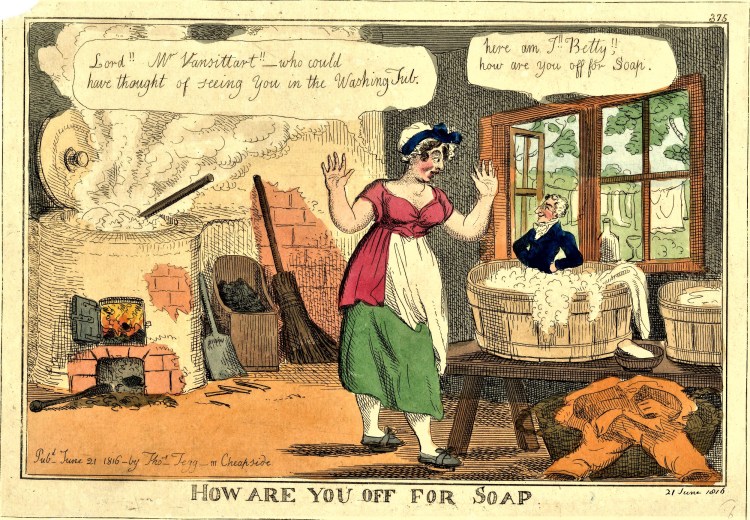
UK, 1816—a meaningless bantering phrase—originated in a print published in June, satirising the fact that a bill on additional taxation on soap had been brought in unobtrusively in May by the Chancellor of the Exchequer
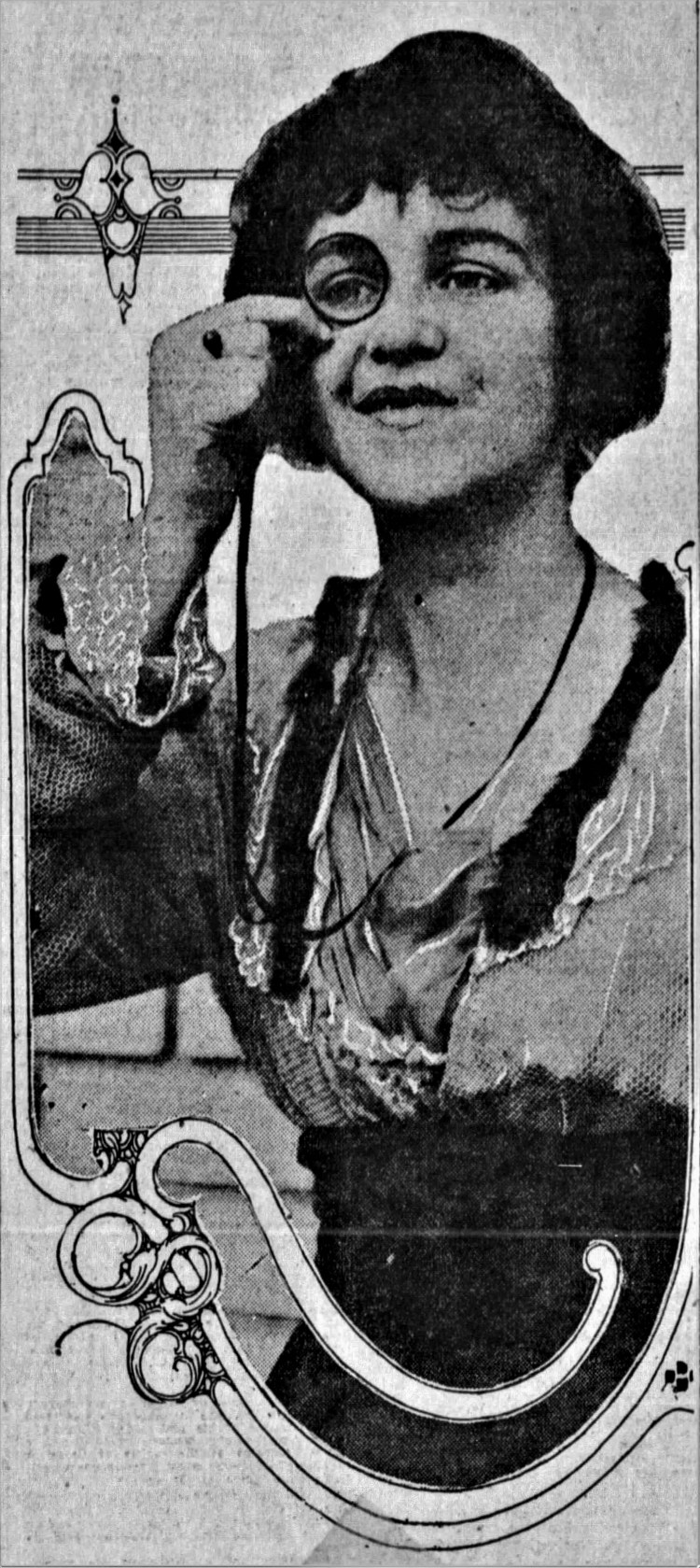
UK, 1897—‘Piccadilly window’: a monocle—hence ‘Piccadilly-windowed’: monocled—alludes to ‘Piccadilly’, the name of a street and of a circus (i.e., a rounded open space) in London
from 1924 onwards in stories by English author P. G. Wodehouse—a facetious appellation for a medical practitioner specialising in the diagnosis and treatment of mental illness—‘loony’: shortened form of ‘lunatic’
USA, 1892—a hypothetical observer of human behaviour and society whose perspective would be entirely detached and objective—fictitious prose narratives told of visits either from, or to, Mars, and had for common theme that we are far behind Mars in discoveries in the material and spiritual worlds
17th century—contrasts what the mind remembers with what it forgets (with reference to the opposition between the coarser particles, which are retained by a sieve, and the finer ones, which pass through it)—denotes an extremely poor memory (with reference to the fact that a sieve does not hold all its contents)
classical Latin ‘mare nostrum’, literally ‘our sea’: one of the names given by the Romans to the Mediterranean Sea—USA, 1824: any sea or other stretch of water belonging to, or under the control of, a nation


 word histories