origin of the word ‘paraphernalia’
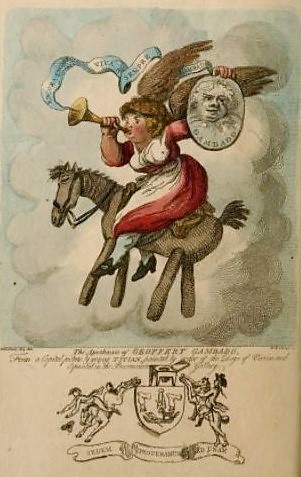
from Medieval Latin ‘paraphernalia’, short for ‘paraphernalia bona’, ‘married woman’s property’, i.e. the goods which a bride brings over and above her dowry
Read More
“ad fontes!”
from Medieval Latin ‘paraphernalia’, short for ‘paraphernalia bona’, ‘married woman’s property’, i.e. the goods which a bride brings over and above her dowry
Read MoreThe word ‘oxymoron’ has the property it denotes: it is from Greek ‘oxús’, meaning ‘sharp’, ‘acute’, and ‘mōrόs’, meaning ‘dull’, ‘stupid’.
Read More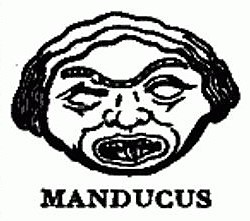
In Latin, short words having complicated irregularities in their forms gave way to simpler words with regular patterns and longer phonetic individualities.
Read More‘mardy’: ‘sulky’, ‘moody’—from ‘mard’, dialectal alteration of ‘marred’, meaning, of a child, ‘spoilt’, and the suffix ‘-y’, meaning ‘having the qualities of’
Read More‘to season’, from Old French ‘saisonner’: ‘to do something during the proper season’, hence ‘to make appropriate to the circumstances’, ‘to flavour (a dish)’
Read Morethe troubles and activities of the world—literary or humorous, from Hamlet’s speech “to be or not be”—‘coil’: probably from Middle French ‘acueil’, encounter
Read More1611—from French ‘omelette’, ultimately an alteration of ‘lemelle’, ‘knife blade’ (from Latin ‘lamella’), with reference to the flattened shape of the dish
Read More‘To eavesdrop’ originally referred to standing within the eavesdrop (the ground on to which water drips from the eaves of a house) in order to overhear what is going on inside.
Read More
Since WWI, ‘Franglais’ has been coined to denote: French spoken by an Anglophone, English spoken by a Francophone and French speech using English words.
Read More
Named after Latin ‘canina litera’ (‘the canine letter’), ‘the dog’s letter’ is a name for the letter R, from its resemblance in sound to the snarl of a dog.
Read More word histories