the changing identities of the butterfly
Since antiquity, European languages have variously named the butterfly, in particular by using sound reduplications expressive of its fluttering.
Read More
“ad fontes!”
Since antiquity, European languages have variously named the butterfly, in particular by using sound reduplications expressive of its fluttering.
Read More
The word ‘folklore’ was coined in 1846 by the British author William John Thoms, inspired by Jacob and Wilhelm Grimm’s anthology of German fairy tales.
Read More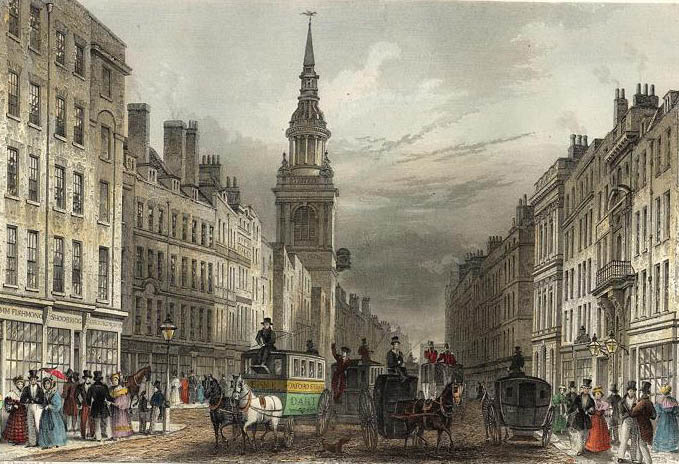
originally ‘pampered child’, later ‘town-dweller regarded as affected or puny’—origin uncertain—probably not the same word as ‘cokeney’, literally ‘cock’s egg’
Read Morefrom Job, 19:20—this verse, and particularly the Hebrew verb form immediately preceding ‘bĕʿōr šinnāi’ (‘with the skin of my teeth’), are of uncertain meaning
Read More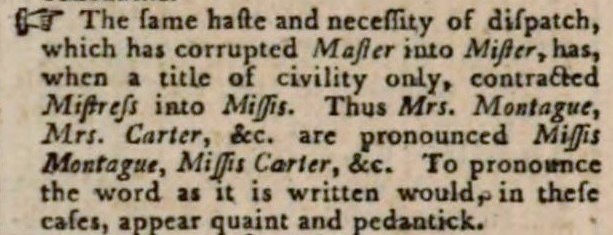
‘Mr’-‘Mrs’: originally abbreviations of ‘master’-‘mistress’—‘mister’-‘missus’: renderings of the altered pronunciations of ‘master’-‘mistress’ in ‘Mr’-‘Mrs’
Read More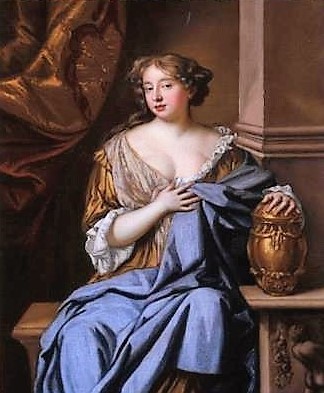
‘miss’: unmarried woman or girl; 17th cent., short for ‘mistress’—‘Ms’: title free of reference to marital status; 20th cent., blend of ‘Mrs’ and ‘Miss’
Read More‘every tiny detail’—from Matthew, 5:18—‘jot’, from ‘iōta’, the smallest letter of the Greek alphabet—‘tittle’, a small mark used in writing or printing
Read More
coalesced forms of the obsolete phrasal verbs ‘to do on’ and ‘to do off’, meaning respectively ‘to put on’ and ‘to take off’ (an item of clothing)
Read More
from ‘at do’ (meaning ‘to do’)—construction ‘to have’ + pronominal object (e.g. ‘much’) + ‘at do’ led to ‘ado’ reinterpreted as a noun qualified by an adjective
Read More
phonetic reduction of ‘Christ’s cross’; first element phonetically reduced as in ‘Christmas’; hence ‘criss-cross’ treated as a reduplication of ‘cross’
Read More word histories